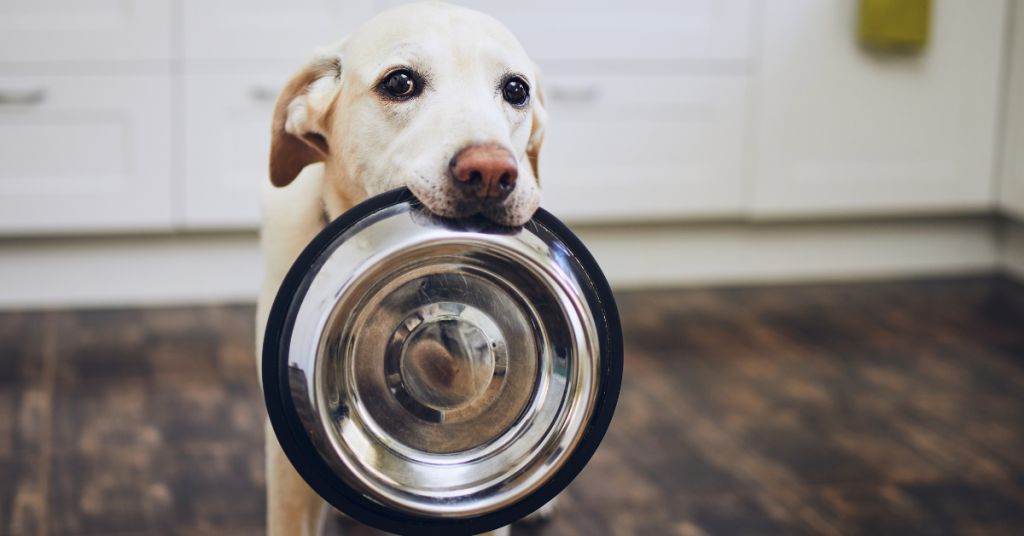
Feeding your dog is more than filling a bowl. It’s about understanding what goes into the food, how it affects their body, and what keeps them healthy and full of energy. Choosing the right dog food means giving your pet the best chance to live a longer, more comfortable life. With so many options and opinions, it helps to start with the basics and think about what your dog truly needs.
Understanding What’s Inside Dog Food
Good food always starts with real, clear ingredients. The first thing to check is the protein source. Meat like chicken, lamb, or beef should appear first on the label. This means the food has a proper base of animal protein, which is essential for muscle growth and repair. When ingredients are listed vaguely as “animal meal” or “meat by-products,” you don’t really know what you’re feeding your dog.
Fats are another major part of a dog’s diet. They help maintain a shiny coat and healthy skin, while giving dogs energy. Carbohydrates, such as rice or sweet potato, help provide slow, steady fuel throughout the day. Look for natural ingredients and avoid food packed with artificial colouring, preservatives, or too much salt.
Dogs, like people, can react differently to various ingredients. Some may have allergies to grains or specific proteins. If your dog starts scratching more, develops red skin, or has digestive issues, it might be time to change what they eat.
How to Pick the Best Dog Food Brands
Different dog food brands use different recipes and ingredient sources. Some focus on high protein, while others specialise in grain-free or sensitive-stomach formulas. The challenge is finding one that fits your dog’s size, age, and activity level.
For example, a working dog or one that spends hours running outside needs a higher-calorie diet than a small indoor pet. Older dogs benefit from food that supports joint health and digestion. Puppies need food rich in calcium and DHA to help their bones and brains develop properly.
Read labels carefully before buying. A good food brand will clearly list its ingredients and the percentage of protein and fat. Stay away from brands that make broad claims without listing what’s inside.
The Importance of Puppy Food
A young dog grows quickly, and feeding them regular adult food too soon can cause problems. Proper puppy food is made with extra nutrients that support development. It includes higher protein, more fat, and the right balance of calcium and phosphorus for bone strength.
Puppies also need smaller kibble sizes because their teeth and jaws are still forming. Giving them large chunks can make eating uncomfortable or lead to choking. Puppy food should be easy to chew and digest, encouraging steady, healthy growth.
Once your puppy reaches adulthood—usually between 12 and 18 months depending on the breed—you can start introducing adult food. Do this gradually by mixing the two over a week to avoid upsetting their stomach.
Comparing Dry and Wet Dog Food
There’s no single answer for which type is best, but understanding each helps you make the right choice.
Dry food (kibble) is easy to store and measure. It’s less messy, and it often helps clean teeth as dogs chew. Many owners prefer it because it costs less per serving and lasts longer once opened.
Wet food, on the other hand, contains more moisture and often smells more appealing to dogs. It’s great for older dogs with weaker teeth or those that don’t drink enough water. Some owners mix wet and dry food to balance texture, taste, and nutrition.
The most important part is consistency. Changing foods too often can cause stomach upset. Stick to one type and brand once you find one that works.
When to Look for Dog Food Specials
Dog owners know that food costs can add up, especially for large breeds or multiple pets. Keeping an eye out for dog food specials is a smart way to save money without lowering quality. Many stores or websites run seasonal discounts or bundle deals that help you stock up.
When buying in bulk, store the food properly in airtight containers to keep it fresh. Avoid leaving bags open or exposed to moisture, as that can cause mould. Always check expiration dates before buying, no matter how tempting the discount looks.
It’s worth buying smaller amounts of a new brand before committing to a big purchase. Once you’re sure your dog enjoys it and responds well, then you can look for larger deals and savings.
Feeding the Right Amount
No matter what type or brand of food you choose, portion size makes a difference. Overfeeding leads to obesity, which can shorten your dog’s life and cause joint problems. Underfeeding, on the other hand, leaves them tired and weak.
Every food bag includes a feeding guide based on your dog’s weight. Use it as a starting point, but observe how your dog looks and behaves. You should be able to feel their ribs but not see them clearly. Adjust portions if they’re gaining or losing too much weight.
It’s better to feed smaller, measured meals twice a day rather than leaving food out all the time. A fixed feeding routine helps regulate digestion and makes it easier to monitor how much they eat.
Water and Feeding Habits
Dogs need fresh water at all times, especially those eating mostly dry food. Clean the bowl daily and refill it with clean, cool water. Dehydration can quickly make your pet sick, so always make sure the bowl is full.
Avoid giving your dog too many table scraps or human snacks. Foods like onions, chocolate, and grapes are toxic to dogs. Even fatty leftovers can upset their stomach or cause pancreatitis. Stick to their regular food and healthy dog treats when rewarding good behaviour.
Recognising When to Change Dog Food
Sometimes, even the best diet needs adjusting. If your dog suddenly loses interest in eating, gains too much weight, or shows signs of stomach trouble, it might be time to switch. When changing food, mix the old and new food over seven days. Start with 75% old and 25% new, then increase the new food each day.
Watch your dog closely during this time. Loose stools, vomiting, or itching can signal an ingredient issue. If symptoms persist, try a different recipe or see a vet to check for allergies.
Observing Your Dog’s Health
The way your dog looks and behaves tells you a lot about their diet. A shiny coat, clean teeth, strong muscles, and good energy levels are all signs of proper nutrition. A dull coat, constant scratching, or fatigue can mean something is missing in their diet.
Dogs that eat balanced food are more active, have fewer illnesses, and stay in shape longer. Pay attention to their stool—firm, brown waste usually means good digestion. Any sudden change in consistency or colour can be a warning.
Keeping It Simple
Choosing and feeding your dog doesn’t need to be complicated. Focus on clear ingredients, steady routines, and enough water. Avoid chasing trends or switching brands too often. Quality food, given in the right portions, will keep your pet healthy and content.
Feeding time is not just about nutrition; it’s about care and consistency. Whether you buy dry food, wet food, or look out for special deals, what matters most is regular attention and awareness. A well-fed dog is not only stronger but also happier, and that’s something every owner can see in their wagging tail and eager eyes.