Feeding your cat well is one of the most important parts of being a responsible pet owner. Cats rely on balanced meals to stay active, maintain a healthy coat, and avoid illness. Understanding the different types of cat food and how to choose between them can make all the difference in your cat’s wellbeing.
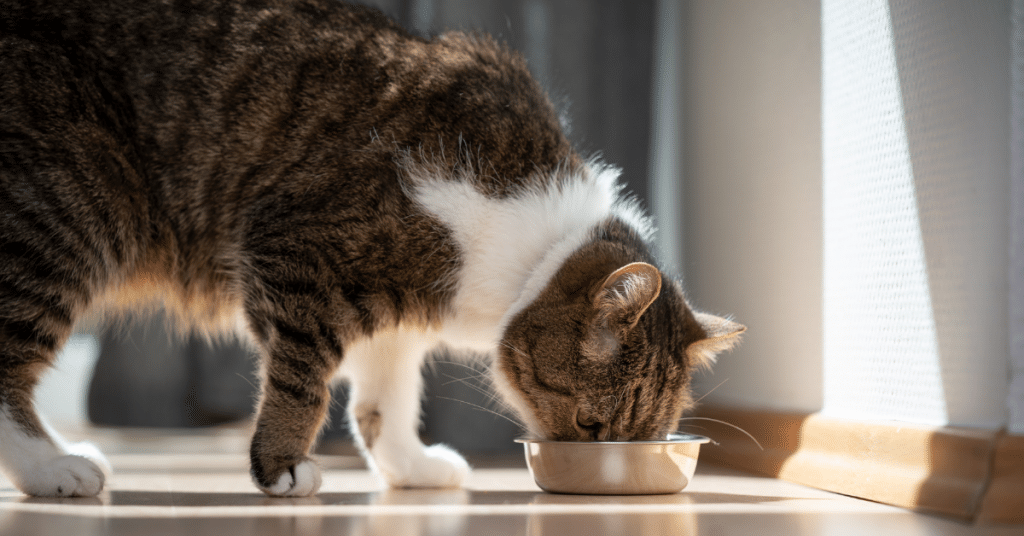
Different Types of Cat Food
There are several kinds of meals available for cats, each serving a slightly different purpose. Dry kibble is easy to store and helps clean teeth through chewing. It lasts longer and is often more affordable for everyday feeding. On the other hand, wet meals are soft, rich in moisture, and often more appetising to picky eaters.
Many pet owners use a mix of both. Feeding a combination allows cats to enjoy the crunch of dry food and the flavour and hydration from wet cat food. Some cats prefer the texture of gravy or jelly-based meals, while others enjoy chunks of meat. Paying attention to your cat’s preferences helps keep feeding consistent and stress-free.
Benefits of Wet Canned Food
Wet canned cat food can be particularly beneficial for cats that do not drink enough water. Hydration is vital for kidney and urinary tract health, and wet meals provide an extra moisture boost. This is especially helpful for older cats who might not drink as much on their own.
Another advantage is digestibility. The soft texture makes it easier for cats with dental issues or sensitive stomachs to eat. Wet meals also tend to have a stronger aroma, which attracts fussy eaters. When feeding canned food, portion control is important. Overfeeding can lead to weight gain, even if the food is of high quality.
The Importance of Reading Labels
Cat food packaging can sometimes be confusing, but the label is the best guide to understanding what you are feeding your cat. Look for meat or fish listed as the first ingredient. Cats are obligate carnivores, which means they depend on animal protein for essential nutrients like taurine. Products that start with maize, rice, or fillers are usually less nutritious.
Avoid items that contain too many preservatives or artificial colours. Simple ingredient lists are better indicators of quality. The packaging should also mention the food’s nutritional completeness. Meals labelled as “complete” are designed to meet all of a cat’s dietary needs, while those marked “complementary” should be fed alongside another product.
Understanding Cat Food Specials
There are many cat food specials that help owners save without sacrificing quality. Some stores offer discounts on premium brands or bundle deals for bulk purchases. Taking advantage of specials is a smart way to buy in larger quantities and keep your pet’s meals consistent.
Buying during promotions doesn’t mean compromising nutrition. Many quality options are included in these offers, especially for common flavours like chicken, tuna, or salmon. Always check the expiry date when stocking up and store food properly to keep it fresh.
Age and Lifestyle Considerations
Kittens, adults, and senior cats have different nutritional needs. Kittens need high-calorie meals packed with protein and fats to support growth. Their smaller stomachs also mean they require more frequent feeding. Adult cats, in contrast, need maintenance-level nutrition that keeps them at a stable weight.
Senior cats may need softer foods or ones formulated for joint support and digestion. Lifestyle also matters. Indoor cats burn fewer calories and can gain weight easily, while outdoor cats may need extra energy. Selecting the right formula for your cat’s age and activity helps prevent long-term issues like obesity or lethargy.
Balancing Wet and Dry Food
The wet-versus-dry debate often comes down to personal choice, but both have benefits. Dry food supports dental health by reducing plaque. It’s also easier to store and serve. Wet meals, on the other hand, help with hydration and digestion. Many pet owners find that offering both types during the day gives their cats the variety and balance they need.
For example, you can serve wet food in the morning when your cat is most alert and dry kibble in the evening. This routine offers nutrition and hydration throughout the day without overwhelming your cat’s digestive system.
Avoiding Common Feeding Mistakes
One of the biggest mistakes cat owners make is free-feeding, which means leaving food out all day. This can cause overeating and obesity. Instead, measure portions according to the feeding guide on the packaging and stick to regular meal times.
Feeding human food is another common issue. Many ingredients safe for people, such as onions, chocolate, and garlic, can be dangerous for cats. Even dairy products can upset their stomachs. It’s best to stick to proper pet meals rather than offering leftovers or table scraps.
Keeping Meals Exciting
Cats can become bored with the same flavours day after day. Rotating between different proteins like chicken, lamb, or fish keeps their interest. You can also try changing the texture from gravy-style meals to pâté or flakes in jelly.
Some cats enjoy interactive feeding. Puzzle feeders or slow bowls turn mealtime into a fun challenge. It stimulates their mind and encourages slower eating, which aids digestion. Treats can also be used for training or bonding, as long as they don’t make up more than 10% of the daily calorie intake.
Storage Tips and Freshness
Keeping food fresh makes a big difference in how much your cat enjoys it. Dry kibble should be stored in airtight containers away from sunlight and moisture. Once a bag is opened, roll it tightly to prevent air exposure.
For canned meals, once opened, refrigerate leftovers and use them within a day or two. Leaving wet food out for too long can attract bacteria or cause spoilage. Always check the colour and smell before serving. Cats are sensitive to freshness and may refuse food that isn’t stored properly.
Monitoring Your Cat’s Health Through Diet
What your cat eats shows in its behaviour and appearance. A shiny coat, bright eyes, and consistent energy are all signs of good nutrition. If your cat starts shedding excessively, gaining or losing weight quickly, or seems less active, it might be time to review their meals.
Regular vet check-ups help identify any nutritional deficiencies early. For cats with conditions like diabetes or kidney issues, prescription diets may be recommended. Even then, maintaining feeding schedules and portion control remains key.