Electric vehicles are showing up on South African roads more and more. Between the rising cost of fuel and a growing number of models becoming available locally, plenty of drivers are starting to make the switch. But one of the first questions that comes up after buying an electric car is: how do you charge it?
Public charging stations are popping up at malls and fuel stations, but most EV owners do the bulk of their charging at home. That means installing a charger in the garage, carport, or driveway. The process is simpler than most people expect, but there are a few things worth understanding before getting started.
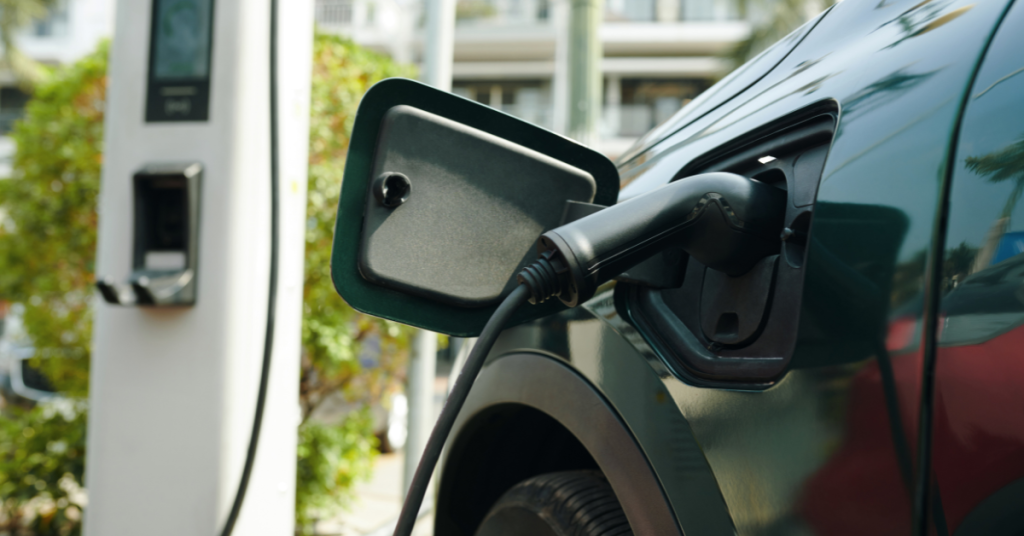
How Home Charging Works
At the most basic level, an electric car charges by plugging into a power source, just like a phone. The difference is in how much power it needs and how fast it can take that power in.
Every electric vehicle comes with a portable charger that plugs into a standard wall socket. This is called Level 1 charging. It works, but it is slow. Depending on the car’s battery size, a full charge from a regular plug can take anywhere from 20 to 40 hours. For someone who drives short distances and can leave the car plugged in overnight, this might be enough. For most people, it is not.
That is where dedicated EV chargers come in. These are wall-mounted units that connect to a higher-powered electrical circuit, usually 7kW or 22kW. A 7kW home charger can fill most car batteries overnight in six to eight hours. A 22kW unit does the job in roughly two to three hours, depending on the vehicle.
Choosing the Right Charger
There are a few things to look at when picking a home charging unit.
Power output is the first consideration. A 7kW charger runs on a single-phase electrical supply, which is what most South African homes have. A 22kW charger needs a three-phase supply, which is more common in commercial buildings and some newer residential properties. Before buying a 22kW unit, it is worth checking with an electrician whether the home’s electrical board supports three-phase power.
Connector type matters too. Most electric cars sold in South Africa use a Type 2 connector for AC charging. Some older or imported models may use a Type 1 connector. Checking the car’s manual or charging port before ordering avoids a mismatch.
Cable length is something people often overlook. If the charger mounts on a garage wall but the car parks a few metres away, a short cable becomes a problem. Most units come with cables between five and eight metres, but measuring the distance beforehand saves hassle.
Smart features are becoming standard on newer electric car chargers. These include app control, scheduling (so the car charges during off-peak hours when electricity is cheaper), energy monitoring, and load balancing. Load balancing is particularly useful in South Africa, where it prevents the charger from tripping the main breaker by adjusting its power draw based on what else is running in the house.
Installation: What to Expect
Installing a home charger is not a DIY job. A qualified electrician needs to handle the wiring, install a dedicated circuit breaker, and mount the unit. In most cases, the job takes half a day.
The electrician will check the home’s electrical capacity to make sure it can handle the extra load. A 7kW charger draws about 32 amps, which is significant. If the distribution board is old or already near capacity, an upgrade may be needed before the charger goes in.
Placement usually depends on where the car parks and where the distribution board is located. Shorter cable runs between the board and the charger keep installation costs down. Outdoor installations need weatherproof units rated for rain and dust exposure.
A Certificate of Compliance (CoC) should be issued after installation. This is a legal requirement in South Africa for any new electrical work and is needed for insurance purposes.
What About Loadshedding?
This is the question every South African EV owner deals with. Loadshedding interrupts charging sessions, and if the power goes out overnight, the car might not be fully charged by morning.
There are a few ways to handle this. Scheduling charges to start as soon as power returns is one approach. Many smart chargers and most electric cars allow charge scheduling through an app. Setting a target state of charge (for example, 80%) rather than always charging to 100% reduces the time needed and is better for battery health.
Some homeowners with solar and battery backup systems route excess solar power to their electric vehicle chargers during the day. This turns sunshine into kilometres and reduces dependence on the grid. A typical rooftop solar setup in Gauteng or the Western Cape generates enough daytime power to add 30 to 50 kilometres of range per day, depending on the system size and weather.
Running Costs Compared to Petrol
One of the biggest draws of driving electric is the fuel saving. At current electricity rates, charging an EV at home costs roughly R0.30 to R0.50 per kilometre, depending on the car’s efficiency and the tariff. Compare that to a petrol car averaging R1.50 to R2.00 per kilometre, and the savings add up quickly.
Over 15,000 kilometres a year, that difference can amount to R15,000 or more in fuel savings annually. The charger itself, including installation, typically pays for itself within the first year or two of driving.
Charging during off-peak hours (usually late evening and early morning) brings the per-kilometre cost down even further. Time-of-use tariffs offered by some municipalities make this a real advantage for EV owners who schedule their charging smartly.
Common Questions People Ask
Can the car be charged in the rain? Yes. EV charging connectors and ports are sealed and rated for outdoor use in wet conditions. Charging in the rain is completely safe.
Does charging damage the home’s wiring? Not if the installation was done properly by a qualified electrician with the correct circuit protection. The dedicated circuit is separate from the rest of the house.
How long do home chargers last? Most quality units are rated for 10 years or more. They have few moving parts and require very little maintenance beyond keeping the connector clean and checking the cable for damage occasionally.
Is it worth installing a charger before buying an EV? It can be. Having the infrastructure ready means the car can start charging from day one. Some property developers in South Africa are now pre-wiring garages for EV chargers in new builds, which shows where things are heading.
Getting Started Is Simpler Than It Looks
The whole process, from choosing a charger to having it installed and charging a car, usually takes less than a week. Pick the right unit for the home’s electrical setup, get a qualified electrician to handle the installation, and start saving on fuel from the first trip. The technology is proven, the maths works out, and the number of electric cars on South African roads is only going in one direction.