South Africa has some of the best camping spots in the world. From the Drakensberg mountains to the Kruger bush, the coastline of the Eastern Cape to the deserts of the Northern Cape, there is no shortage of beautiful places to spend a night under the stars. Getting out into nature is part of who we are as South Africans. But how you camp can make a big difference in how much you enjoy the experience.
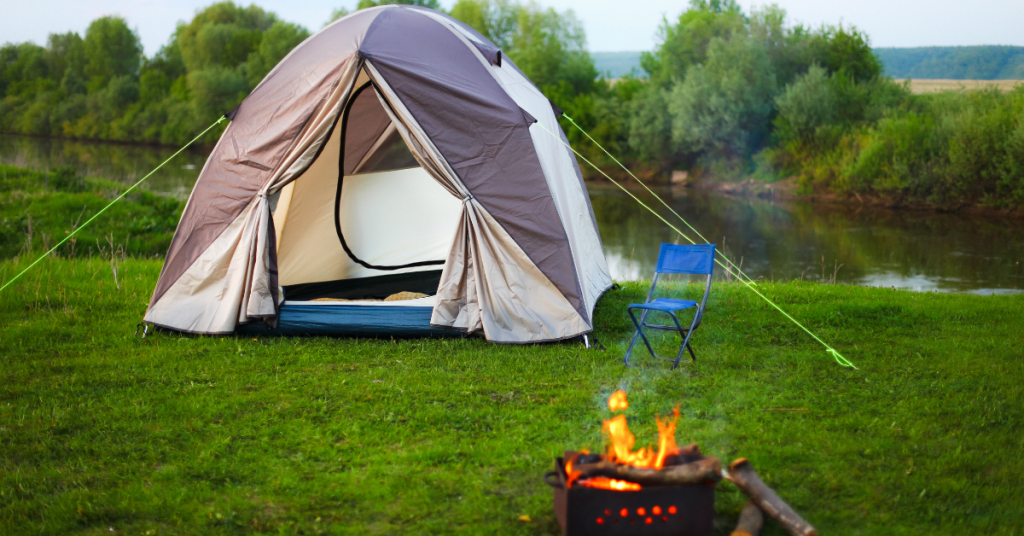
Traditional ground tents have been around forever. They work, and millions of people use them every year. But they come with drawbacks that anyone who has camped knows well. Setting up on uneven or rocky ground is frustrating. Rain can turn a campsite into a mud bath. Creepy crawlies and curious animals have easy access when you are sleeping at ground level. That is why more and more campers are looking upward for a better solution.
Rooftop Tents South Africa has become a growing market as outdoor enthusiasts look for ways to camp more comfortably. These tents mount on top of a vehicle and fold out into a sleeping space that sits well above the ground. The concept is not new, but the designs have improved significantly over the years, making them more practical and accessible than ever before.
Why Camp on Your Roof
Sleeping off the ground solves many of the problems that make traditional camping uncomfortable. No more searching for a perfectly flat spot to pitch a tent. No more waking up with a rock digging into your back. The roof of your vehicle provides a flat, stable platform every single time.
Safety improves when you are elevated. Wild animals are less of a concern when your tent is two metres off the ground. This matters in places like the Kruger or Kgalagadi where predators roam. Even in less wild areas, getting away from snakes, spiders, and other ground-dwellers gives peace of mind.
Setup time drops dramatically with most rooftop models. Ground tents need poles assembled, stakes hammered in, and guy ropes adjusted. A rooftop tent typically unfolds in a few minutes. After a long day of driving, quick setup means more time relaxing and less time wrestling with tent poles in fading light.
The mattress stays in the tent when it is folded up. No more rolling out a sleeping pad and pumping up an air mattress. Climb the ladder, and the bed is ready to go. This convenience makes short stops and single-night stays much more appealing.
Types of Rooftop Tents
Roof Top Tents for Cars come in several styles. The most common are soft shell and hard shell designs, each with its own advantages.
Soft shell tents fold out from a fabric cover. They tend to offer more sleeping space for their size and cost less than hard shell options. The trade-off is that they take slightly longer to set up and pack down. The fabric cover needs to be secured properly to prevent flapping while driving.
Hard shell tents have a rigid top that lifts on gas struts or hinges. Setup is often as simple as releasing a few latches and letting the top pop up. Pack-down is equally fast. The hard shell provides better protection from the elements and tends to be more aerodynamic on the road. These models usually cost more but offer convenience that many campers find worth the extra expense.
Lightweight Roof Top Tents have become increasingly popular as manufacturers work to reduce weight without sacrificing durability. A lighter tent puts less strain on roof racks and the vehicle itself. It also affects fuel consumption less during long drives. For smaller vehicles or those with lower roof load limits, a lightweight option might be the only practical choice.
Choosing the Right Size
Rooftop tents come in sizes ranging from compact single-person units to large family models. Picking the right size depends on who will be using it and what vehicle it will mount on.
Solo travellers and couples often do well with standard two-person models. These fit on most vehicles and keep weight reasonable. A bit of extra space is nice to have for gear storage inside the tent.
Families need to think carefully about configuration. Some larger tents sleep three or four people in a single space. Others use annexe extensions that hang down from the main tent to add covered ground-level sleeping. Mixing a rooftop tent with ground sleeping for kids can work well for families with older children.
Vehicle roof load capacity sets a hard limit on what you can use. This includes the weight of the tent, the mounting system, and everyone sleeping inside. Check your vehicle’s specifications before shopping. Overloading a roof can damage the vehicle and create a dangerous situation on the road.
Mounting and Compatibility
Most rooftop tents mount to roof racks or roof bars using bolts or clamps. The rack itself needs to be rated for the weight it will carry. Factory-fitted roof rails often have lower weight limits than aftermarket roof racks designed for heavy loads.
Cross bars must be spaced correctly for the tent’s mounting points. Too narrow or too wide, and the tent will not fit properly. Most tent manufacturers specify the minimum and maximum bar spacing for their products.
Some vehicles can handle rooftop tents without issue. Others need upgraded suspension or stronger roof racks to cope with the added weight. A vehicle with a high centre of gravity becomes even more top-heavy with a tent mounted above. This affects handling, especially in windy conditions or when cornering. Driving style may need to adjust accordingly.
Looking After Your Investment
A rooftop tent is not a small purchase. Taking care of it properly extends its life and keeps it performing well for years.
Dry the tent before packing it away. Storing a damp tent leads to mould and mildew that can ruin fabric and create unpleasant smells. If conditions force you to pack up wet, open the tent to dry as soon as possible afterward.
Clean the tent regularly. Dust, dirt, and bird droppings can damage fabric over time. A soft brush and mild soap work well for most cleaning jobs. Avoid harsh chemicals that might affect waterproof coatings.
Check zippers, seams, and the ladder for wear. Small problems caught early are easy to fix. Left alone, they become bigger and more expensive to repair. Lubricating zippers with wax or silicone spray keeps them running smoothly.
Finding the Right Tent
Shopping for rooftop tents for sale means balancing features, quality, and budget. Entry-level models get you off the ground at a lower price point. Premium options offer better materials, more thoughtful design details, and longer warranties.
Read reviews from actual users. Their experiences reveal things that product descriptions do not mention. How does the tent hold up after a year of use? Is setup really as easy as claimed? How does it handle heavy rain or strong wind?
See the tent in person if possible. Photos and videos help, but nothing beats climbing inside to check the space and quality. Many camping shows and outdoor expos have rooftop tents on display where you can get a hands-on look.
Camping off the ground opens up new possibilities. Rough terrain, wet conditions, and wild areas become more accessible when you do not need a perfect flat spot for a ground tent. For South African campers who love getting out into nature, a rooftop tent can change the whole experience for the better.