An engagement ring is often worn every day. It gets knocked on door frames, tapped on phone screens, and bumped against coffee cups. So the ring needs more than a nice look. It needs a build that can handle real life.
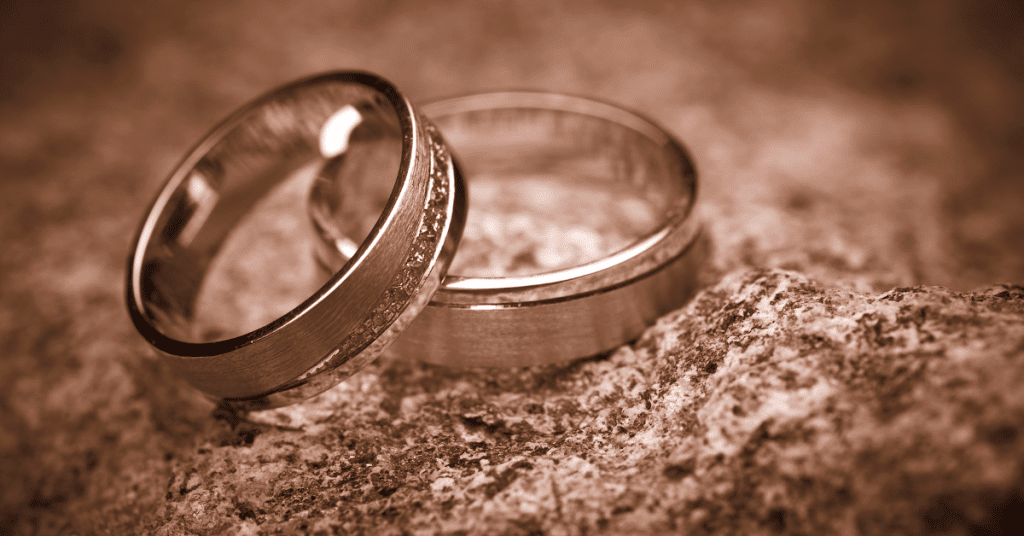
Some couples want a ring that feels different from what is seen in most shop windows. They want a ring with detail, age, and a bit of history. That is where older rings come in.
What People Mean By “Estate”, “Pre-Owned”, And “Vintage”
These labels get used in different ways, so it helps to keep the meaning simple.
- Estate Engagement Rings usually means a ring that has had an owner before. The ring might be from any time period.
- Pre-Owned Engagement Rings is a clear term. It means the ring is not new.
- Vintage Engagement Rings usually points to rings from past decades, with shapes and settings linked to that time.
The label matters less than what is in front of you. The metal, the stone, the setting, and the condition matter most.
Why Older Rings Can Feel Different
Many older rings were made with care and patience. Some have hand-cut details that are hard to find in modern mass-made designs. Some use stone cuts that look softer and less sharp than newer cuts. Some have small design touches that stand out, like fine engraving on the band or a raised setting with tiny side stones.
A real example: a couple planned to buy a new ring with a plain band. After trying a few styles, the band felt too simple. They found an older ring with small hand-cut lines on the sides. It looked calm, yet it had character. That small detail made it feel personal.
Picking A Style That Fits Daily Life
A ring can look amazing and still be a pain to wear. Comfort matters.
Low vs High Settings
A high setting can snag on clothing and scratch a baby’s skin during a nappy change. A low setting sits closer to the finger and tends to feel safer for daily wear. People who type all day often prefer a lower setting.
Band Width
A thin band looks light and neat. A wider band feels solid. People with active hands often choose a band that feels sturdy. The right choice depends on comfort and personal taste.
Stone Shape
Round stones are common and easy to match with a wedding band. Oval stones can look longer on the finger. Cushion cuts can feel soft and classic. Each shape gives a different feel, even with the same size stone.
Checking The Ring Before Buying
Older rings can be in great condition, yet they still need a careful look.
Look At The Prongs
Prongs hold the stone in place. If prongs are worn down, the stone can loosen. A simple check is to look at the prong tips. They should sit neatly over the stone edge.
A real example: someone bought an older ring for a surprise proposal. The ring looked fine in photos. In person, one prong was bent. The stone was still held, yet it needed a small fix before it could be worn with peace of mind.
Check The Band Shape
Look at the ring from the side. A band that has gone slightly oval can still fit, yet it may point to past pressure or damage. Small wear marks are normal. Deep dents may need attention.
Look For Hallmarks
Many rings have a small stamp inside the band. It often shows the metal type. Some older rings have faint stamps due to years of wear. A stamp is useful, yet it is not the only factor.
How Sizing And Adjustments Work In Real Life
Most people do not know their exact ring size. Fingers change through the day. Heat, salt, and water can change swelling. A ring that fits in the morning can feel tight at night.
A practical tip is to aim for a fit that slides on with light pressure and comes off with a gentle twist. If resizing is needed, it is common. Some rings resize easily. Some do not, depending on the setting and band design.
If the ring has stones set around the full band, resizing can be harder. If the band is plain at the back, resizing is often simpler.
Matching A Wedding Band
Some older rings sit high enough to allow a straight wedding band. Some have a shape that makes a straight band leave a gap.
A real example: a couple loved a ring with a wide setting. The wedding band kept sliding away from it. They chose a curved band that sat flush. The result looked neat and felt comfortable.
Care And Daily Habits That Help
Older rings can last a long time with basic habits.
Storage
Store the ring in a soft pouch or a box when not worn. Keep it away from other jewellery to cut down scratches.
Cleaning
A soft cloth after wear helps remove skin oils. Mild soapy water and a soft brush can work for many rings. Soft stones and older settings need gentle handling. When unsure, keep cleaning light.
Wear Habits
Take the ring off for gym work, heavy lifting, pool time, and cleaning. These are common times when rings get damaged.
A Simple Way To Choose The Right Ring
A ring should feel right when worn, not only when seen in a photo.
- Choose a setting height that suits daily life.
- Pick a band width that feels comfortable.
- Check prongs, band shape, and general wear.
- Think about the wedding band match.
- Plan for basic care.
Older engagement rings can feel meaningful without any big speech behind them. They can suit modern life and still carry a sense of time and craft. The best choice is the one that feels good on the hand, looks right in normal light, and fits the way life is lived.