Engagement rings carry a lot of meaning emotionally, financially, and sometimes physically if the stone is big enough. But more and more couples are choosing rings that weren’t made for them from scratch. They’re going with rings that already existed, rings that someone else once wore, and they’re doing it without a second thought.
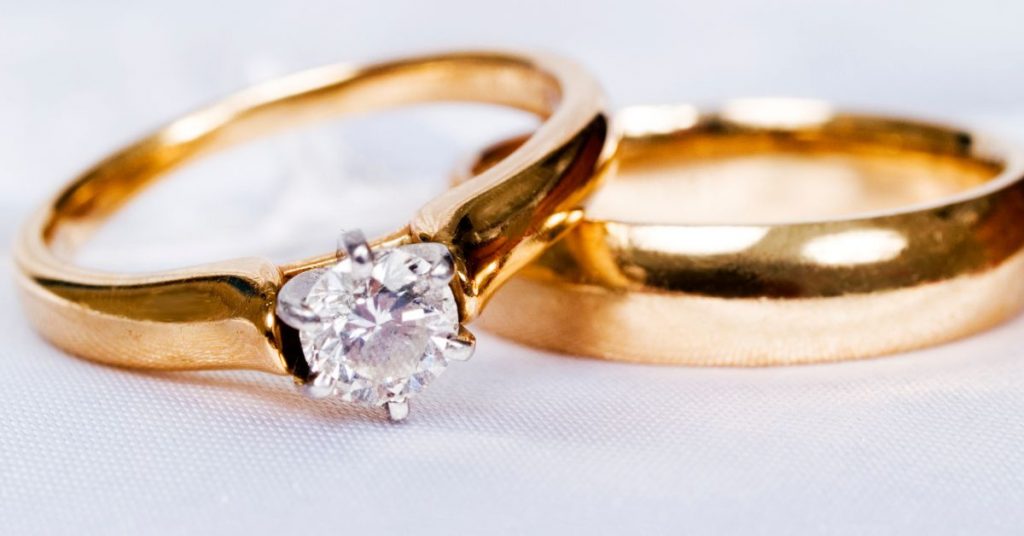
What These Rings Actually Are
An estate engagement ring is one that was previously owned. It might have been worn for decades or barely at all. The term “estate” in the jewelry world just means it had a former owner. It doesn’t say anything about the condition, age, or value only that it’s not fresh from a factory.
Pre-owned engagement rings work the same way. The name says it all: someone owned it before. These rings come in all shapes, sizes, and price ranges. Some are modern styles from just a few years ago. Others are much older and carry the design language of a different time period entirely.
Then there’s the category that gets the most attention: vintage engagement rings. These are usually at least two or three decades old, and they tend to look noticeably different from what’s in stores right now. The stone cuts, the setting styles, and the band designs all reflect the era in which they were made.
Why Couples Are Going This Route
The biggest reason is value. A pre-owned ring with a one-carat diamond will almost always cost less than a brand-new ring with the same size and quality stone. The markup on new engagement rings is steep covering retail rent, staff, advertising, and brand prestige. That premium disappears on the second sale.
A couple saving up for a wedding, a house deposit, or just trying to be practical with money can get a better ring for less by looking at the pre-owned market. And “better” here means a bigger stone, a heavier setting, or a higher quality diamond. The savings are real and they’re significant.
The other big draw is style. Many older rings were designed during periods when craftsmanship was more detailed. Deco-era rings from the 1920s and 1930s, for example, have geometric patterns and fine milgrain edging that you rarely see in modern designs. Rings from the 1950s and 1960s often have bold, chunky settings that feel both retro and fresh at the same time.
For someone who wants a ring that doesn’t look like every other ring on Instagram, the pre-owned market is the right place to look.
Common Concerns And Why Most of Them Don’t Hold Up
The biggest pushback against buying a used engagement ring is superstition. Some people worry about “bad energy” or the idea that a ring from a failed marriage will curse theirs. That’s a personal belief, and everyone is entitled to it. But by that logic, buying a used house should bring bad luck too and most people don’t think twice about that.
Another concern is durability. People assume older rings are fragile. In most cases, the opposite is true. Rings made 40 or 50 years ago were often built with thicker bands and sturdier prong settings. Gold was less expensive per gram back then, so jewelers used more of it. Many of these rings have survived decades of daily wear and still look great.
Then there’s the worry about getting ripped off. That’s a fair concern with any big purchase, but it’s easy to manage. Have any ring you’re serious about looked at by an independent jeweler or appraiser. They can verify the metal, the stone quality, and the overall condition. If a seller refuses to let you get a second opinion, that tells you everything you need to know.
How to Pick the Right One
Start with the basics: what does the person wearing the ring actually like? Some people love the look of an old-world setting. Others want something that looks modern, regardless of when it was made decades ago. Knowing the general style preference narrows the search fast.
Next, think about the stone. Older diamonds were cut differently. An Old European cut or an Old Mine cut will sparkle in a softer, more subtle way compared to a modern brilliant cut. Neither is better it’s just a matter of taste. If the person wearing the ring wants maximum sparkle, a pre-owned ring with a modern-cut diamond might be the right fit.
Size matters too not just the stone, but the band. Older rings were often made for smaller fingers, so sizing may need to be adjusted. Most rings can go up or down a couple of sizes without any trouble. Anything more than that might require extra work.
Finally, check the prongs and the setting. Make certain the stone is secure and there are no cracks in the metal. A good polish and a prong tighten-up is normal maintenance. Major structural work is a different story and should factor into the price.
Resizing and Customising Older Rings
One concern that comes up often is fit. Older rings were made for a different generation, and finger sizes vary. The good news is that most rings can be resized without any trouble. A skilled jeweler can take a ring up or down a size or two in a single session, and the work is usually invisible once it’s done.
Some buyers go a step further and have the band re-polished or the stone reset into a slightly different position. These small tweaks let you put your own stamp on a piece that already has a strong foundation. It’s a way to get the best of both worlds a ring with history and a personal touch that makes it feel like yours.
The Proposal Doesn’t Change
At the end of the day, nobody thinks about whether the ring was new or pre-owned during the actual proposal. They think about the moment, the words, and the feeling. A ring is a symbol, and its meaning comes from the couple not from a receipt.
Buying a pre-owned engagement ring is a practical, smart choice. The quality is there. The beauty is there. And in many cases, the ring has more character and history than anything sitting in a display case at a mall. For couples who want substance over marketing, it’s a move that makes perfect sense.