Cape Town has one of the most active property markets in South Africa, and apartments in Cape Town are at the centre of that activity. Whether it is a studio in the CBD, a two-bedroom unit in Century City, or a beachfront flat in Sea Point, apartments make up a growing share of all residential sales in the city. The days when everyone wanted a house with a big garden are fading. More and more buyers are choosing apartment living, and the reasons are practical.
Security is near the top of the list. A well-managed complex with controlled access, cameras, and on-site guards gives people peace of mind. Maintenance is another factor. No gutters to clean, no garden to water, no boundary wall to repair. The body corporate handles the common areas, and the owner handles the inside of the unit. That division of labour suits busy professionals, frequent travellers, and retirees who do not want the physical demands of a house.
Location is the third piece. Apartments tend to be built in central, well-connected areas. That means shorter commutes, walkable access to shops and restaurants, and proximity to public transport. In a city where traffic can grind to a halt on the N1 and N2 during peak hours, living close to where you work or play is worth a lot.
Where the Action Is
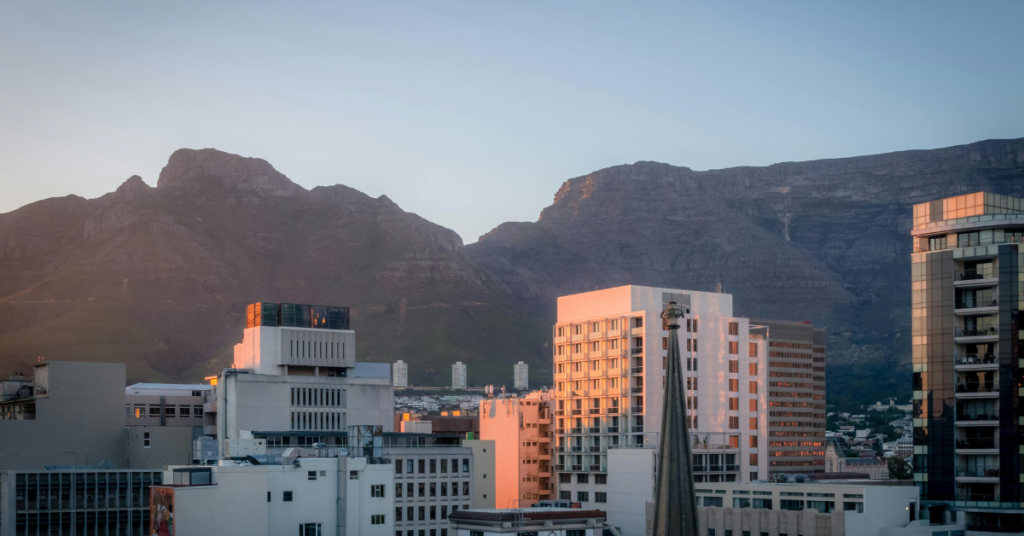
The Cape Town CBD has seen massive growth in residential apartment stock over the past decade. Old commercial buildings have been converted into modern residential units, and new towers have gone up along the Foreshore and around Bree, Loop, and Long streets. The CBD appeals to younger buyers and renters who want to be close to offices, nightlife, and the V&A Waterfront.
Cape Town apartments in the Atlantic Seaboard suburbs of Sea Point, Green Point, and Mouille Point attract a different crowd. These areas pull in buyers who want ocean views, the promenade on their doorstep, and a slightly slower pace than the CBD. Prices here are higher, but the lifestyle and resale values are strong. A two-bedroom apartment in Sea Point with a sea view will set you back between R4 million and R8 million depending on the block and the floor.
Century City and Tyger Valley on the northern side of the city offer a more suburban feel with the convenience of major shopping centres, office parks, and good highway access. Prices are lower than the Atlantic Seaboard, which makes these areas popular with first-time buyers and investors. A one-bedroom unit in Century City starts from around R1.2 million, and two-bedroom apartments sit between R1.8 million and R3 million.
The southern suburbs, including Claremont, Newlands, and Rondebosch, have seen a rise in sectional title developments aimed at families and university students. Proximity to UCT and several top schools drives demand, and rental yields in these suburbs are competitive.
Further out, areas like Brackenfell, Kraaifontein, and the Helderberg Basin (Somerset West, Strand, Gordon’s Bay) are where the most affordable new developments are being built. These areas have grown rapidly as buyers priced out of the central suburbs look for value without giving up access to the city.
What the Numbers Look Like
A quick search for property for sale Cape Town will show you that the range is enormous. You can pick up a studio apartment in Woodstock or Salt River for under R800,000. On the other end, a penthouse in Bantry Bay or Clifton can cost R30 million or more. For most buyers, the realistic range sits between R1 million and R4 million for a one or two-bedroom apartment in a decent area.
Transfer costs are something that catches first-time buyers off guard. On a R2 million purchase, expect to pay between R80,000 and R120,000 in transfer duty, attorney fees, and bond registration costs. This is money you need to have available upfront, on top of your deposit. Some banks will finance up to 100% of the purchase price, but having a 10% to 20% deposit gives you a better interest rate and lower monthly repayments.
Cape Town property has consistently outperformed other major metros in terms of price growth over the past decade. The Western Cape in general has attracted semigration from Gauteng and other provinces, driven by the perception of better service delivery, lower crime rates, and a higher quality of life. That migration has put upward pressure on demand, and the limited buildable land in central Cape Town has kept supply constrained.
The interest rate cuts in late 2024 and into 2025 have brought some relief to buyers. A drop of even half a percent on the prime lending rate translates into hundreds of rands saved on a monthly bond repayment. That has nudged some buyers who were waiting on the sidelines back into the market.
Buying for Investment
Cape Town has one of the strongest rental markets in the country. Demand from students, young professionals, corporate relocations, and international visitors keeps vacancy rates low in well-located areas. Gross rental yields for apartments in the CBD, Sea Point, and Century City typically fall between 7% and 10%, which is solid by South African standards.
Short-term rentals through platforms like Airbnb can push yields even higher, particularly during the summer months from November to March. A well-furnished two-bedroom apartment in Sea Point or the V&A Waterfront area can bring in R2,500 to R4,000 per night during peak season. Over a full year with a mix of short-term and medium-term lets, the total income can be significantly more than a standard long-term lease.
There is a catch, though. Some body corporates have banned or restricted short-term letting. The City of Cape Town has been tightening regulations around holiday rentals, and not every complex allows it. If short-term rental income is part of your plan, check the body corporate rules and the local zoning regulations before you buy.
What to Watch Out For
Levies can vary wildly between complexes. A small complex with 20 units and basic amenities might charge R1,500 per month. A large complex with a pool, gym, concierge, and extensive gardens could charge R4,000 or more. Ask for the last 12 months of levy statements and the body corporate’s annual financial report. If levies have been increasing by 15% or 20% per year, that is a warning sign.
Water and electricity costs in Cape Town are not low. The city’s tiered tariff system means that usage above a certain threshold gets expensive fast. Many newer complexes have prepaid meters for each unit, which helps residents track and manage their consumption. Solar installations and rainwater harvesting systems are becoming more common in new builds, and these can bring running costs down over time.
Parking is another issue. In the CBD and older parts of Sea Point and Green Point, secure parking bays are in short supply. A unit without parking is harder to sell and harder to rent. If the apartment comes with a parking bay, confirm whether it is a dedicated bay or a shared one, and whether it is covered or open.
Load shedding has cooled off compared to previous years, but power stability remains a concern. Complexes with generator backup or solar-plus-battery systems have a clear advantage. Buyers are paying attention to this, and buildings with backup power sell faster and at a premium.
Cape Town’s property market is not going anywhere. The city keeps attracting new residents from other provinces and from overseas, the rental market is strong, and the limited supply of buildable land in desirable areas puts a natural floor under prices. For anyone looking to buy, the options are there. The smart move is doing the homework, asking the right questions, and picking a spot that fits both the budget and the lifestyle.