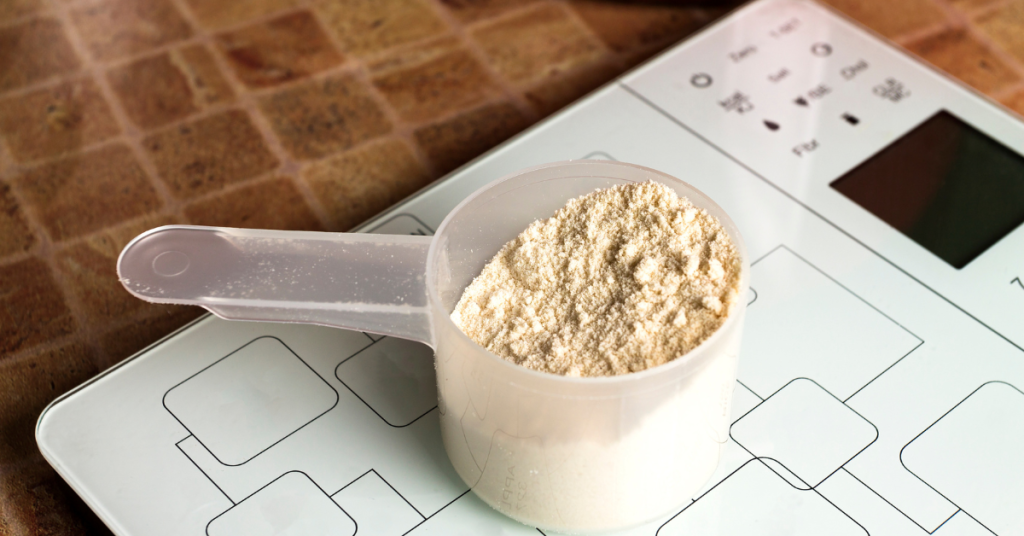
Walk into a gym and have a chat with the guys near the squat rack and the topic of supplements comes up fast. Tubs in the kit bag, shakes after the session, scoops of powder in shakers. The market has grown massively over the past 20 years, with new products hitting the shelves every month. Most lifters and athletes pick up a few staples and stick with them. Knowing which ones do real work and which ones just take up space helps anyone training seriously.
This article looks at the main supplement categories, what each one does, and how to pick products that match training goals.
The Foundation: Protein
Protein sits at the bottom of every smart supplement plan. The body uses protein to repair muscle tissue after training, build new muscle, support the immune system, and keep hair, skin, and nails strong. Hard training raises the daily protein needs of an active person well above what a standard diet usually delivers.
Most experts put the daily target for active people at 1.6 to 2.2 grams per kilogram of body weight. A 75 kilogram man training four times a week needs around 120 to 165 grams a day. Hitting that number through food alone takes effort. Three solid meals plus a snack might cover 100 grams. Filling the gap with a shake makes the maths much easier.
Protein powders come in plenty of varieties. Whey, casein, beef, plant-based blends, and isolates all sit on shelves with different price points and uses. Picking the right one depends on the body, the budget, and the training pattern.
Whey Sits at the Top of the Pile
Whey takes up the most shelf space for a reason. The body takes it up fast, the amino acid profile is strong, and the cost per serving sits at the lower end of the market. Most lifters buy Whey protein as their main daily shake and stop there.
Whey concentrate gives around 70 to 80 percent protein per scoop with some leftover carbs and fats. Whey isolate strips most of those out and gives 90 percent protein or higher. Lifters cutting fat or trying to keep total daily calories tight tend to pick isolate. Lifters bulking up or watching their wallet tend to stick with concentrate.
The timing of whey matters less than total daily intake. Some people drink it within an hour after training. Others sip it through the morning or use it to bump up breakfast. As long as the day’s total hits the target, the exact timing makes only a small difference.
When Plain Protein Isn’t Enough
Some training goals need more than a basic shake. People trying to put on weight fast, hard gainers who struggle to eat enough food, and athletes recovering from heavy training blocks often turn to higher-calorie products.
Mass Gainers pack protein, carbs, and fats into one shake that delivers 600 to 1500 calories per serving. The carb content does most of the work, with rice flour, oats, or maltodextrin filling out the bulk. Hard gainers who can’t hold down four big meals a day find it easier to drink the calories than chew through them.
The trick with mass gainers is reading the label carefully. Some products lean too hard on cheap sugars that spike blood sugar without doing much for muscle. Better products use slower-digesting carbs and quality protein blends. Splitting a serving across two shakes a day works better than slamming the whole lot in one go.
Energy and Focus Before Training
Plenty of people walk into the gym after a long workday with low energy and a wandering mind. A good warm-up gets the body going, but some lifters want a stronger lift to push through hard sessions.
Quality Pre-workout supplements bring together caffeine, beta-alanine, citrulline, and other ingredients that boost focus, blood flow, and muscular endurance. The caffeine wakes the body up and sharpens the mind. Beta-alanine reduces the burn that builds up in muscles during high-rep work, which lets lifters squeeze out a few extra reps before failure. Citrulline helps with the pump that feeds muscle blood and oxygen during the session.
A standard scoop hits about 200 to 300 milligrams of caffeine, which sits at the same level as two strong cups of coffee. Lifters who train late in the day need to watch the timing, since the caffeine can cut into sleep if taken too close to bedtime. A 4pm scoop for a 5pm session works for most people. A 9pm scoop tends to wreck the night.
Tolerance builds up fast with daily use. Cycling pre-workout, with on weeks and off weeks, keeps the products working over the long term. Drinking it for every single session, including light recovery work, leads to needing bigger scoops to get the same kick.
Building Strength and Power
The most studied muscle-building supplement on the planet sits in plain white tubs with simple labels. The science behind it spans four decades and the results show up clearly across study after study.
Creatine powder gives muscles more fuel for short bursts of high-effort work. Sprints, heavy sets, jumps, and explosive movements all benefit. Lifters taking five grams a day put on lean mass faster, lift heavier loads, and recover quicker between sets compared to those who don’t.
The standard dose is five grams a day taken at any time. Mixing it into a morning shake or post-workout drink works fine. Some people do a loading phase of 20 grams a day for the first week to fill muscle stores faster, but this isn’t needed. Sticking with five grams a day reaches the same muscle saturation in about three to four weeks.
Plain creatine monohydrate is the form backed by the most research. Fancier versions like creatine HCL or buffered creatine cost more but don’t show better results in studies. Saving money on the form lets lifters spend more on better food and proper training.
Real World Example
A 27 year old amateur rugby player started taking five grams of creatine a day along with a steady gym programme. Over four months, his bench press climbed from 100 kilograms to 115. His weight went up by three kilograms with most of that as lean muscle. Sprint times on the field dropped slightly. None of the changes felt dramatic from session to session, but the trend over months was clear.
This kind of result plays out across thousands of training logs. Creatine doesn’t turn an average lifter into a champion, but it gives a steady boost that adds up over years of training.
Stacking Without Going Overboard
The supplement industry pushes plenty of products that don’t earn their place. BCAAs do little when daily protein is already on track. Fat burners are mostly caffeine in fancy packaging. Testosterone boosters move the needle hardly at all in healthy young men. Spending money on these products takes away from the budget that could go into better food, more sleep, or proven products.
A simple starting stack covers the basics. A good protein powder fills daily protein gaps. Five grams of creatine daily covers strength and power. A pre-workout for harder sessions gives an energy lift when needed. A solid multivitamin handles the broad nutrient bases. That’s it. Total monthly cost sits well under what some lifters drop on a single tub of trendy fat burner.
Reading Labels Like a Buyer Who Knows the Game
Smart shoppers look past the front of the tub. The back label tells the real story.
The protein content per serving matters. A scoop labelled as 30 grams of powder might only give 22 grams of actual protein, with the rest taken up by fillers, flavours, and binding agents. Dividing the protein number by the serving size shows the real protein percentage.
The amino acid breakdown matters for serious lifters. Quality powders list the leucine content, which drives muscle protein synthesis. Aim for at least 2.5 grams of leucine per shake.
Banned-substance testing matters for athletes in tested sports. Look for Informed Sport or NSF Certified for Sport stamps on the tub, which means the product has been tested batch by batch.
Fillers, sweeteners, and gums vary across products. Some people get bloated or gassy from certain additives. Trying smaller tubs first helps work out which products sit well with the gut.
Final Word
Supplements work best on top of solid training, real food, and proper sleep. No tub in the world fixes a bad diet or a missed gym session. A few well-chosen products handle the gaps that food and training can’t fill, and that’s the whole job.
Three or four staples beat a cabinet full of bottles bought on impulse. Protein for daily intake, creatine for strength gains, pre-workout for the harder days, and a multivitamin for general health cover most of what active people need. Adding more products only makes sense when the basics are dialled in and a real need shows up that the staples can’t meet.
Smart buying, consistent training, and patience over months and years drive real progress. The flashy new product that hits the shelves next month rarely beats the boring fundamentals that have worked for decades.