Outdoor living is a big part of life across Australia, and the deck is often where it all happens. Weekend lunches, a quiet coffee in the morning sun, kids running in and out from the garden: the deck takes a beating from sun, rain and foot traffic all year round. For a long time, timber was the only real option, and many homeowners loved the look but hated the upkeep. Sanding, oiling and replacing split boards turned a relaxing space into a chore that never quite ended.
That frustration is a big reason why composite decking has grown so fast in popularity. It gives the warm look of wood without the constant maintenance, and it stands up to the harsh Australian weather far better than most softwoods. For anyone planning a new outdoor area or replacing a tired old deck, it is worth understanding how the material works, what it costs, and how to get the most out of it.
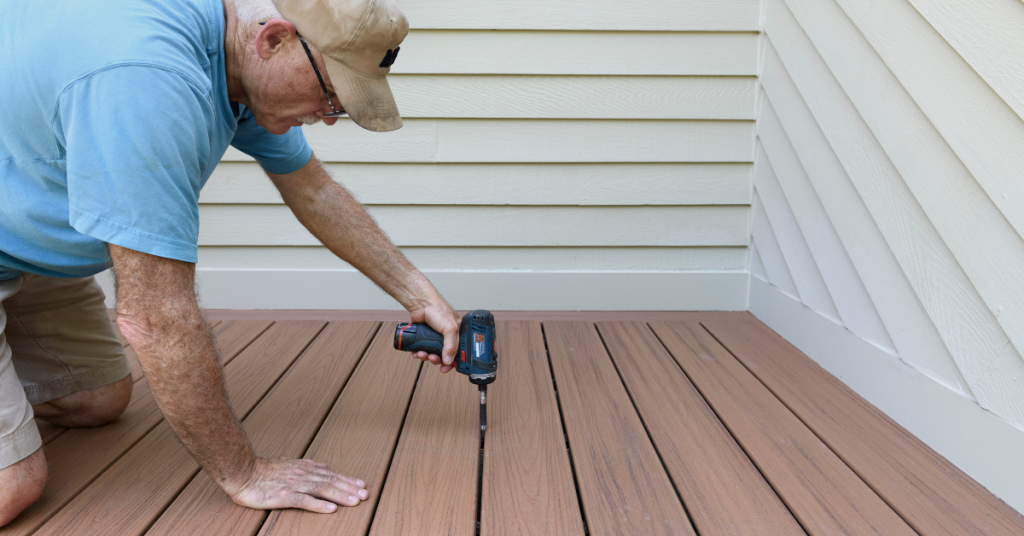
What composite decking actually is
The simplest way to think about it is a mix of two things: recycled wood fibre and plastic, pressed together under heat into solid planks. The wood gives it a natural grain and feel, and the plastic holds everything together and keeps water out. The result is a plank that looks a lot like timber from a few steps away but behaves very differently underfoot and over time.
Modern composite decking boards usually come capped, which means a tough outer shell wraps around the core. That shell is what shrugs off scratches, stains and fading from the sun. Older uncapped products did not have this layer, so they tended to mark more easily, and the capped versions are now the standard most homeowners go for.
A common worry is that the boards will look fake or plasticky. Good quality products have moved well past that. The grain patterns are pressed in with real depth, the colours run through several tones rather than a flat single shade, and the finish has a matte look rather than a cheap shine. Stand on a well-built composite deck and most people would struggle to tell it apart from stained hardwood.
How the boards handle the Australian climate
Australia throws a lot at an outdoor deck. Blazing summer heat, sudden downpours, salt air near the coast and dry heat inland all test a material in different ways. Timber reacts to all of this by swelling, shrinking, cracking and greying, which is why it needs so much care. Composite holds its shape far better through the same conditions.
Because the planks do not soak up water the way raw timber does, they resist rot, swelling and warping. That matters around pools, near the coast and anywhere rain pools after a storm. Termites are another constant worry for homeowners, and since the boards contain plastic and capped fibre rather than soft natural wood, they are not a food source the way untreated timber can be.
Heat is the one thing to think about carefully. Dark boards in full afternoon sun can get warm to bare feet, just as dark tiles or pavers do. The fix is simple: pick lighter tones for areas with no shade, or plan a pergola or sail over the main seating zone. Most suppliers offer a spread of colours from pale greys to deep browns, so matching the shade to the amount of sun an area gets is an easy choice to make early on.
Working out the cost
Money is usually where the real planning starts, and the honest answer is that composite costs more up front than basic treated pine. The trade-off is what happens after the build. Looking at composite decking prices only as a first-day figure misses the bigger point, because timber keeps costing money for years in oil, stain, repairs and time.
When people ask about composite decking boards price, the smart approach is to add up the whole lifespan rather than the day of purchase. A timber deck might need oiling once or twice a year, sanding every few years, and board replacement as splits appear. Over ten or fifteen years those costs stack up, plus the weekends spent on maintenance. Composite skips nearly all of that, so the gap closes and often reverses over time.
The price of a finished deck depends on a handful of things: the size of the area, the board range chosen, the framing underneath, and whether the ground is flat or sloped. A small courtyard deck is a modest job, while a large multi-level entertaining area with stairs and built-in seating costs a fair bit more. Getting a proper quote based on real dimensions is the only way to land on an accurate number, since every site is a little different.
Choosing boards and finishes
There is more variety on offer than many people expect. Boards come in different widths, lengths, colours and grain styles, and the right pick depends on the look a homeowner is after and how the space will be used. Wider boards suit large open areas and give fewer gaps, while narrower planks can look smart in a tighter courtyard.
The choice of composite wood decking boards also covers the finish on the surface. Some have a brushed timber grain, some a smoother woodgrain, and some a subtle wire-brushed texture that adds grip when the surface is wet. For pool decks and shaded spots that stay damp, a bit of texture is a sensible call to keep footing safe.
It helps to order a few sample boards before committing. Colours can look quite different in bright outdoor light compared with a showroom or a screen, and laying a couple of samples down in the actual spot, at different times of day, shows how the shade will really read. This small step saves a lot of second-guessing once the full order arrives.
Installation and what sits underneath
A good deck is only as sound as the frame beneath it. Composite planks are usually fixed to a frame of treated timber or aluminium joists, and the spacing of those joists matters for how solid the finished surface feels. Boards that span too far between supports can flex underfoot, so following the maker’s spacing guide keeps everything firm.
Most modern systems use hidden fasteners that clip the boards to the joists from the side, leaving the top surface clean with no visible screw heads. This looks neat and also leaves a small, even gap between planks for water to drain and air to move. That gap is part of the design, since it stops water sitting on the surface and lets the deck breathe in the heat.
Many homeowners hire a builder for the job, but plenty of handy people tackle it themselves over a few weekends. The planks are cut with normal woodworking tools, and the clip systems are straightforward once the first few rows are down. The trickiest part is getting the frame level and square at the start, so taking time over the base pays off in a flat, gap-free finish.
Composite decking in cities around the country
Demand for low-maintenance outdoor flooring is strong right across the country, and each region has its own quirks. In the harbour suburbs, composite decking Sydney homeowners often want a coastal look that copes with salt air and pool splash without the upkeep that timber near water demands.
Up north the heat and humidity are the main test, and buyers looking at composite decking Brisbane tend to favour lighter colours and good drainage for the wet season.
Along the coast the same thinking applies, and people searching for composite decking Gold Coast options usually have pools, sea breeze and bare feet in front of mind.
Down south the swings between hot, dry summers and cold, wet winters put a deck through real stress, so composite decking Melbourne buyers value a material that does not crack in the cold or fade in the summer glare.
Wherever a home sits, the appeal of composite decking Australia wide is the same: a good-looking outdoor floor that asks for very little once it is down.
Caring for the deck over the years
The whole selling point of this material is low upkeep, and that holds true in practice. There is no oiling, no staining and no sanding. A capped composite deck keeps its colour and finish for many years with almost no effort, which frees up the weekends that timber would otherwise eat into.
That said, low maintenance is not no maintenance. A sweep to clear leaves and grit stops debris from staining or scratching the surface, and a wash with warm soapy water a couple of times a year keeps it looking fresh. After a big gathering, a quick hose down clears spilled food and drink before it has a chance to mark. For grease near a barbecue, a gentle scrub with a soft brush does the trick.
It also pays to keep the gaps between boards clear so water keeps draining freely. A build-up of leaves and muck in those channels can trap damp and grow mould over time, so an occasional poke through with a thin tool clears them out. Treated this way, options like composite lumber decking reward owners with a clean, safe surface that lasts for the long haul and looks good doing it.
A deck is meant to be a place to relax, not a project that never ends. Picking a material that handles the sun, the rain and the salt, and that asks for little more than a sweep and a wash, lets a home owner spend the weekend on the deck rather than under it with a sander. With a sound frame, the right board for the spot and a colour matched to the sun, an outdoor space can stay welcoming and good-looking for many years to come.