Every flight that leaves on time depends on a team most passengers never see. While travellers queue at the gate, a crew on the apron is loading bags, fuelling the aircraft, guiding it into position, and getting it ready to turn around for the next trip. This work is called ground handling, and without it no plane would move.
South Africa has busy airports in Johannesburg, Cape Town, and Durban, plus dozens of smaller regional fields. All of them need trained ground staff. For people who want to work in aviation but do not fancy flying, this side of the industry offers steady jobs with real prospects, and it starts with the right training.
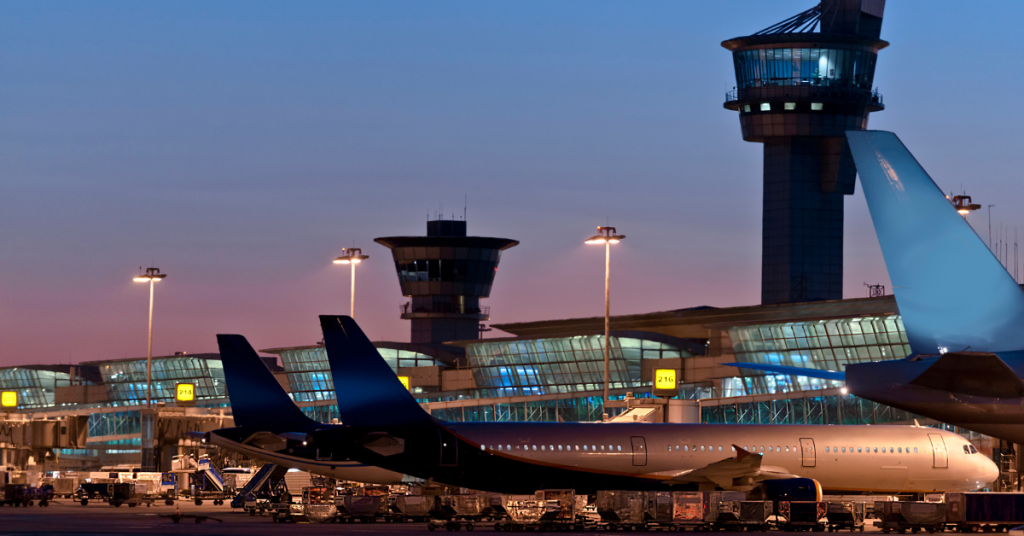
What Ground Handling Actually Means
Ground handling covers everything that happens to an aircraft while it sits on the ground. That is a wide span of tasks, from the moment a plane lands to the moment it pushes back for departure. Each task has to be done quickly and safely, because a parked aircraft earns no money for the airline.
Loading and unloading baggage is the part most people imagine, but it goes well beyond that. Ground crew also handle cargo, marshal the aircraft into its parking spot, connect ground power, and manage the catering and cleaning that happen between flights. A short airport handling course introduces all of these duties so trainees understand how the whole operation fits together rather than learning one task in isolation.
There is also a passenger-facing side. Staff at check-in desks, boarding gates, and arrival halls are part of the ground operation too. They issue boarding passes, sort out seating problems, help travellers with reduced mobility, and keep the flow of people moving through the terminal. A friendly, calm manner counts for a lot in these roles, since they are the human face of the airport.
Safety sits at the heart of all of it. The apron is a dangerous place, full of moving vehicles, spinning engines, and heavy equipment. One careless step can cost a life or damage a machine worth millions. That is why proper training is not optional. People who learn the rules properly keep themselves and their colleagues safe, shift after shift.
What the Training Teaches You
A solid programme builds knowledge in layers, starting with the basics and adding the practical skills on top. The aim is to turn someone with no aviation background into a worker who can step onto the apron and pull their weight from day one.
The first thing any ground handling course covers is airport safety. Trainees learn the layout of the apron, the meaning of the painted markings, and the strict rules about where you can and cannot walk or drive. They study how to move around live aircraft without putting themselves in danger, and how to spot a hazard before it becomes an accident.
From there the syllabus moves into the actual tasks. Students learn how baggage is sorted, weighed, and loaded so the aircraft stays balanced. They cover dangerous goods rules, which decide what may and may not travel by air. They practise using the radios and hand signals that crews rely on, since the apron is too noisy for ordinary speech.
Customer service forms another block of study. A ground operations course often spends time on the front-of-house side, teaching trainees how to handle a stressed passenger, deal with a missed connection, or rebook someone whose flight has been cancelled. These situations test patience, and the training prepares people to stay polite when tempers are short.
Practical drills tie everything together. The better providers put students near real equipment, or use detailed mock-ups, so the lessons stick. Some hands-on aircraft ground handling training lets trainees practise marshalling, loading, and equipment checks in a controlled setting before they ever step onto a working apron. That practice is what separates a confident new hire from one who freezes on their first shift.
A Typical Day on the Apron
The work is physical and the hours can be odd, since aircraft arrive and depart at all times. A typical shift might start before dawn or run late into the night. Ground crew work in summer heat and winter rain, often outdoors, so this is not a job for people who want a desk and air conditioning.
A shift usually begins with a briefing. The team finds out which flights they are covering, what equipment they have, and any special cases such as extra cargo or a passenger needing help. Then it is straight into the rhythm: meet the inbound aircraft, unload it, clean and restock, load the outbound bags and cargo, and send it on its way.
Between aircraft there is checking and tidying to do. Equipment must be inspected, fuel levels confirmed, and paperwork completed. Nothing on the apron happens by accident, and every step is recorded so problems can be traced later. People who pay attention to detail thrive here, while those who cut corners tend not to last.
Teamwork carries the whole thing. A turnaround is a tight piece of choreography where loaders, fuellers, cleaners, and marshallers all work to the same clock. If one person is slow, the flight is late, and a late flight upsets a long chain of passengers and crews down the line. The strain is real, but so is the satisfaction of getting a busy day done cleanly.
Why This Path Is Worth Considering
Aviation is one of the few industries in South Africa that keeps hiring even when other sectors slow down. Airports do not close, planes keep flying, and trained ground staff are always in demand. For a young person looking for steady work, that stability is worth a great deal.
The entry barrier is lower than many people assume. You do not need a degree, and a good airport ground handling course can be finished in a matter of months rather than years. That makes it an affordable route into a respected industry, particularly for school leavers who want to start earning sooner rather than later.
There is room to grow, too. Many supervisors and managers at airports started out loading bags or working a check-in desk. Once you are inside the industry, you can move sideways into operations, safety, or passenger services, and upwards into team leader and management roles. The first course is simply the doorway; what you do after that is up to you.
The work also suits people who like being active and dislike sitting still. If the thought of staring at a screen all day fills you with dread, the apron offers the opposite: fresh air, movement, and a different mix of flights every shift. The pace can be hard, but plenty of people find that far more rewarding than a quiet office.
Working behind the scenes at an airport will never grab headlines, yet it keeps the whole system running. Bags arrive, planes depart, and passengers reach their destinations because a trained ground crew did its job well. For anyone drawn to aviation who wants a practical start, learning the trade properly is the smartest first move you can make.