Botswana sits at the top of many wildlife lovers’ wish lists, and for good reason. The country has built its reputation on wide open spaces, healthy animal populations and a careful approach to tourism that keeps the crowds low and the experience real. For travellers who want close encounters with big game without the queues found in busier parts of the continent, it is hard to beat.
This article sets out the practical side of planning a trip: when to go, what to pack, what the camps are like, and what a typical day in the bush actually involves. Knowing these things ahead of time makes the difference between a smooth, well-paced holiday and a rushed scramble.
Why Botswana Stands Out
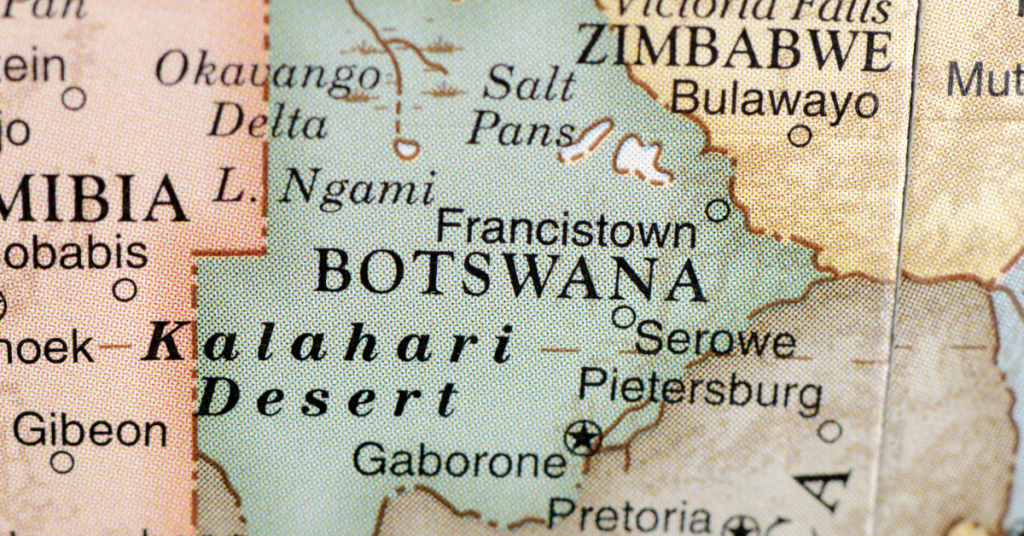
Plenty of countries offer game viewing, so it helps to understand what makes this one special. The short answer is space and water. The country holds the Okavango Delta, the Makgadikgadi salt pans and large stretches of dry bush, each home to different animals and each best seen at a different time of year.
A well-planned Botswana african safari puts travellers in front of elephant, lion, leopard, giraffe and huge herds of plains game, often with no other vehicle in sight. The low-volume, higher-value model the country follows means fewer people share each sighting, so the experience feels personal rather than packaged.
The variety of habitats is the other big draw. A typical Botswana safari can move from waterways thick with hippo and birdlife to dry plains where predators hunt in the open. That mix means no two days look the same, and travellers often see far more species than they expected.
Water is the thread that ties it all together. In the Delta, game viewing happens not just from a vehicle but from a flat-bottomed boat or a traditional dugout canoe called a mokoro. Gliding quietly past reeds while elephants drink nearby is something most visitors remember long after they get home.
The Best Time to Visit
Timing matters more in Botswana than in many places, because the seasons change the game viewing completely. There is no single right answer, since the best month depends on what a traveller most wants to see.
The dry season, roughly May to October, is the classic choice for game viewing. As the bush dries out and waterholes shrink, animals gather around the remaining water, which makes them far easier to find. This is the busiest and priciest stretch, so the camps fill up early and booking ahead is wise.
The green season, from November to March, tells a different story. The rains bring new grass, newborn animals and huge numbers of migratory birds. Game is harder to spot in the thick growth, but the scenery is lush, the light is lovely for photography, and prices drop sharply. Many returning visitors prefer this quieter, cheaper time of year.
A good operator running Botswana safari tours will match the timing to what each traveller wants, whether that is dramatic predator action in the dry months or lush scenery and baby animals in the wet. Being clear about priorities at the booking stage saves disappointment later.
Where to Stay
Accommodation in the bush ranges from simple tented camps to lodges with full plumbing, pools and fine dining. The choice shapes both the budget and the feel of the trip, so it is worth thinking about carefully.
The country’s Botswana lodges cover a wide span of comfort and price. At the upper end, suites come with private decks, outdoor showers and personal guides. At the more affordable end, tented camps keep things simple but still put guests right in the middle of the action, often with animals wandering through the grounds at night.
Choosing the right Botswana safari lodge comes down to location as much as comfort. A camp set deep in a private reserve offers off-road game viewing, night drives and walking safaris that are not allowed in the national parks. Those extra activities can be the highlight of a whole trip, so the setting often matters more than the thread count of the sheets.
Many travellers split their time between two or three camps in different habitats. A typical itinerary built around Botswana tours and safaris might pair a few nights in the watery Delta with a few more in a dry-land reserve. Light aircraft hop between the airstrips, turning the transfers themselves into a scenic part of the holiday.
What a Day in the Bush Looks Like
For first-timers, knowing the daily rhythm takes away a lot of uncertainty. Safari days are early and full, built around the times when animals are most active.
The morning starts before sunrise with a light breakfast, then heads out while the air is cool and the predators are still moving. Guides read tracks, listen for alarm calls and follow signs that an untrained eye would miss. A good guide turns a quiet drive into a running story of who passed through and where they went.
By late morning the heat builds and the animals settle into the shade, so guests return to camp for a proper brunch and a rest. The afternoon picks up again with tea and a late drive that often runs into a sundowner stop, where guests stretch their legs and watch the sky change colour with a drink in hand.
Walking safaris, where allowed, offer a different feel altogether. On foot, the small things come into focus: tracks, insects, plants and the sounds of the bush that get lost from a vehicle. A trained, armed guide leads these walks, keeping a safe distance from the bigger animals while teaching guests to read the land.
A Few Practical Tips
Packing light and smart makes the trip easier. Light aircraft have strict luggage limits, usually around 20 kilograms in a soft bag, so hard suitcases are best left at home. Neutral colours, a warm layer for chilly morning drives, a hat, sunscreen and a good camera cover most needs.
Health and safety deserve attention before travelling. Much of the country is a malaria area, so travellers should speak to a doctor about preventive medication well ahead of the trip. Camps are remote, so any regular medication should be packed in carry-on bags rather than risked in checked luggage.
Above all, patience pays off in the bush. Wildlife does not perform on cue, and some of the best sightings come from sitting quietly and waiting. Travellers who relax into the slower pace, rather than ticking off a checklist, tend to come home with the richest memories of all.
Botswana rewards travellers who plan a little. Pick the right season, choose camps in different habitats, pack sensibly and let the guides do their work. Do that, and a trip into the country’s wild heart becomes the kind of holiday people talk about for years.