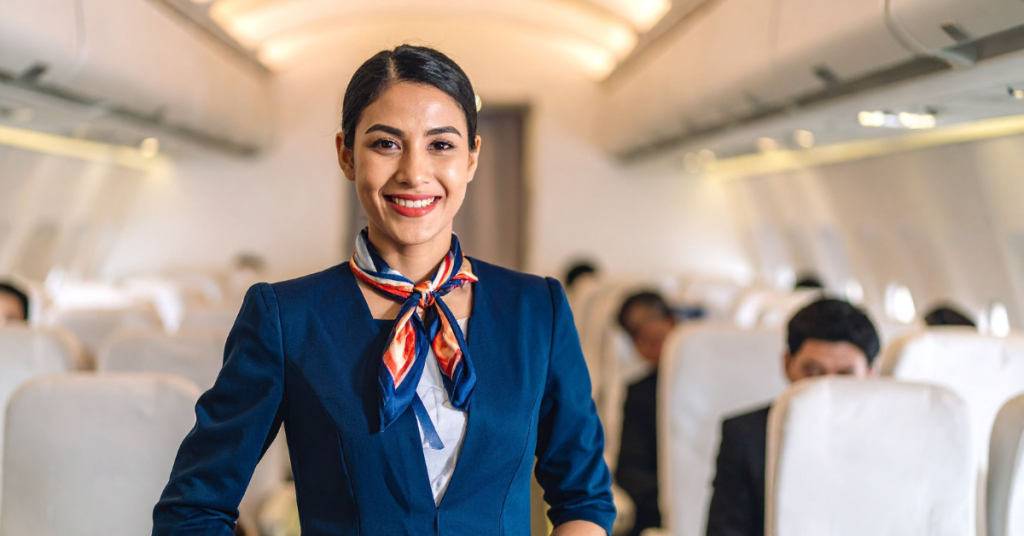
Plenty of young South Africans want a job that pays well, lets them travel, and never feels like the same boring desk every morning. Working on a plane offers all of that. But landing the role is harder than people think. Airlines do not hand out jobs to anyone who walks up to the counter at OR Tambo with a friendly face. They want people who are trained, calm when things go wrong, and good with the public. That is why proper training matters before you ever apply.
If you have watched a crew member look after a packed cabin with a smile, you have seen the end product of months of hard work. The polite service is the small part. Behind it sits a lot of safety training that passengers rarely see.
What You Actually Study
A good Flight Attendant Course covers far more than pouring drinks and pointing at exits. Students learn fire drills, first aid, how to use oxygen equipment, and what to do if a passenger falls ill at 35,000 feet. They practise opening heavy aircraft doors, helping people during a rough landing, and keeping a full cabin calm when the plane hits bad weather over the Drakensberg.
There is a customer side too. You learn how to handle a rude passenger without losing your cool, how to look after a nervous first-time flyer, and how to deal with a parent travelling alone with three small kids. These are real situations that happen on local hops between Joburg and Cape Town every single day.
Grooming and presentation form part of the training as well. Airlines have strict rules on uniforms, hair, and how staff carry themselves. A solid Airline Hostess Course teaches you these standards so you walk into an interview already looking the part.
Who The Training Suits
You do not need a university degree to get started. Most schools ask for matric and an age above 18. What counts more is attitude. Airlines want friendly, patient people who can think on their feet. If you enjoy helping others and you do not mind early starts and late nights, this line of work could suit you well.
Many people sign up for an Air Attendant Course straight after school. Others switch from retail or hospitality, where they already picked up people skills. Both groups do fine. The training fills in the safety and aviation knowledge that you cannot pick up anywhere else.
It helps if you speak more than one language. South Africa has eleven official languages, and airlines love staff who can chat to passengers in their home tongue. A bit of English, plus Zulu, Afrikaans, or Sotho, makes you stand out. If you have travelled a little yourself, even just around the country, that life experience shows up in how easily you deal with all sorts of people.
Why Training Beats Applying Cold
Some people skip the training and apply straight to airlines, hoping to learn on the job. That rarely works. Airline recruiters get thousands of applications. A proper qualification shows you are serious and that you already grasp the basics. It also gives you the confidence to answer tough interview questions.
A recognised Course For Stewardess work usually ends with a certificate that you can show recruiters. That piece of paper often gets your application moved to the top of the pile. Recruiters know that a trained person needs less hand-holding once they start, which saves the airline time and money.
What The Job Is Really Like
The job has perks. You see new cities, you get staff travel rates, and no two work days look the same. But it is honest work too. You will be on your feet for hours. You might wake up at 3am for a dawn flight. Your weekends will not always match your friends’ weekends.
People who do well in this profession go in with their eyes open. The travel and the pay are great, yet the job asks a lot of you physically. Good Flight Hostess Courses are honest about this. They prepare you for the tiring side, not just the glamour you see on social media.
Take a normal week as an example. You might fly Joburg to Durban and back twice in one day, then have an early start the next morning for a longer run up to a neighbouring country. Between flights you are checking safety gear, restocking trolleys, and getting the cabin ready for the next load of passengers. It is busy, hands-on work, and the hours can stretch. The people who last are the ones who genuinely like looking after others.
Money And Moving Up
Pay starts modest for new crew, but it climbs with experience. Add in the travel benefits and the allowances you get when you stay over in other cities, and the package adds up. Plenty of senior crew have been flying for years since they enjoy the lifestyle and the freedom it gives them.
There is room to move up too. Some crew become senior cabin members who lead the team on board. Others move into training new staff, or shift into ground roles with the airline once they want a break from flying. The first step is getting trained and getting your foot in the door.
Getting Started
If this sounds like the right fit, the first step is finding a training school with a good name and trainers who have worked in the industry. Ask how long the course runs, what the certificate covers, and whether they help with job placement afterwards. Speak to past students if you can. A short chat with someone who finished the course tells you more than any brochure ever will.
Working in the air is within reach for plenty of South Africans who are willing to put in the effort up front. Get the right training, walk into that interview prepared, and you give yourself a real shot at a job that takes you places, quite literally.