A liquid spill at work might not seem like a big deal until it happens. One moment you’re going about your day, the next there’s oil, chemicals, or some other harmful substance spreading across the floor. Without the right tools to clean it up, a small spill can become a safety risk, an environmental issue, and a costly problem all at once. That’s where a spill kit comes in. Having one on hand means you can act fast and stop the damage before it gets worse.
What Goes Into a Spillage Kit?
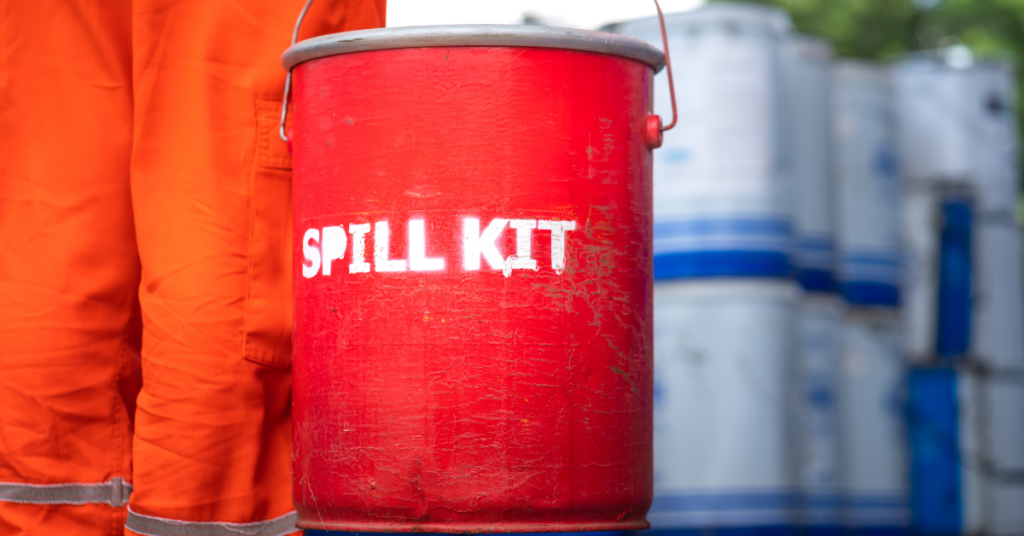
A spillage kit is a pre-packed collection of absorbent materials and protective gear put together to contain and clean up liquid spills. Most kits come in a bag, bin, or drum and will include absorbent pads, socks or booms (tube-shaped absorbents that act as a barrier), disposal bags, and personal protective equipment like gloves and goggles.The type of kit you need comes down to the kind of liquids you handle. Oil-only kits are made from hydrophobic materials that repel water and only absorb oil-based liquids. Chemical kits are built to handle aggressive substances like acids, solvents, and caustic fluids. General purpose kits work for water-based spills and most non-aggressive liquids. Picking the right type matters, since using the wrong absorbent can make a spill worse or create a dangerous reaction.
Where Should You Keep Spill Kits?
Placement is just as important as having spill kits in the first place. They should be stored close to areas where spills are most likely to happen. Think about loading bays, chemical storage rooms, workshops, laboratories, fuel stations, and anywhere that liquids are transferred or stored.
A common mistake is keeping them locked away in a storeroom at the other end of the building. When a spill happens, time matters. If someone has to run 200 metres and find a set of keys, the spill has already spread. Mount kits on walls, keep them next to machinery, or place them beside storage areas where they’re visible and easy to grab.
I worked with a warehouse a few years back that kept their only kit in the manager’s office on the second floor. A forklift punctured a drum of hydraulic oil on the ground floor. By the time someone got the kit down, the oil had reached a storm drain. That single mistake led to a fine and an expensive cleanup bill. If the kit had been within arm’s reach, the whole thing would have been contained in minutes.
Knowing How to Use One
Having a kit sitting in the corner is only half the job. Your staff need to know how to use it properly. This doesn’t take hours of training – a 15 to 20 minute session is usually enough. Cover the basics: how to put on PPE, how to lay absorbent socks around the spill to stop it spreading, how to place pads on top to soak up the liquid, and how to bag everything up for disposal.
Run through a practice drill once or twice a year. It doesn’t have to be complicated. Tip some water on the floor and have your team go through the motions. The muscle memory makes a real difference when a genuine spill happens and people are under pressure.
The Legal Side of Things
In South Africa, the Occupational Health and Safety Act and the National Environmental Management Act both place responsibility on employers to manage hazardous substances and prevent pollution. If your business stores or handles chemicals, fuels, oils, or other potentially harmful liquids, you’re expected to have spill response measures in place.
Not having the right equipment when you should is the kind of thing that gets picked up during inspections. The fines can be steep, and if a spill causes environmental damage, the costs go up fast. On top of that, there’s reputational damage to think about. Nobody wants to be the company that contaminated a local water source.
Choosing the Right Size
Kits come in different sizes for different situations. Small kits (around 20 to 30 litres capacity) are good for vehicles, small workshops, or offices where the risk is low. Medium kits (50 to 100 litres) suit larger workspaces, warehouses, and manufacturing areas. Large drum kits (200+ litres) are for high-risk environments where big volumes of liquid are stored.
A good rule of thumb: your kit should be able to handle the largest single container of liquid in the area. If you’ve got a 210-litre drum of solvent, a 20-litre kit won’t cut it.
Restocking After Use
This is something people forget about. Once a kit has been used, it needs to be restocked straight away. A used or half-empty kit is about as useful as no kit at all. Most suppliers sell refill packs that match specific kits, so you don’t have to buy a whole new one.
Set up a simple system: after any spill response, the person in charge fills out a short report and orders replacement supplies. Some workplaces put a checklist on the kit itself so anyone can see at a glance whether it’s full or needs attention.
Getting Your Team on Board
The biggest challenge with spill response isn’t the equipment, it’s the attitude. In a lot of workplaces, spill response gear gets ignored right up until something goes wrong. Making spill awareness part of your regular safety talks keeps it front of mind. Point out where kits are located during inductions. Put up signs. Make it part of the routine.
When everyone knows where the kit is and how to use it, response times drop and the damage from spills stays small. That’s the whole point.
A spill doesn’t have to turn into a disaster. With the right preparation, the right equipment, and a team that knows what to do, most spills can be cleaned up in minutes with no lasting damage. If you don’t have the right setup in your workplace yet, it’s time to sort that out. And if you do, check that everything is stocked, accessible, and that your people know how to use it.