Bucks County sits in a part of Pennsylvania that sees a full range of weather across the year. Cold winters with heavy snowfall, spring storms, hot and humid summers, and autumn wind events all stress roofing systems in ways that differ from what you might deal with in other parts of the country.
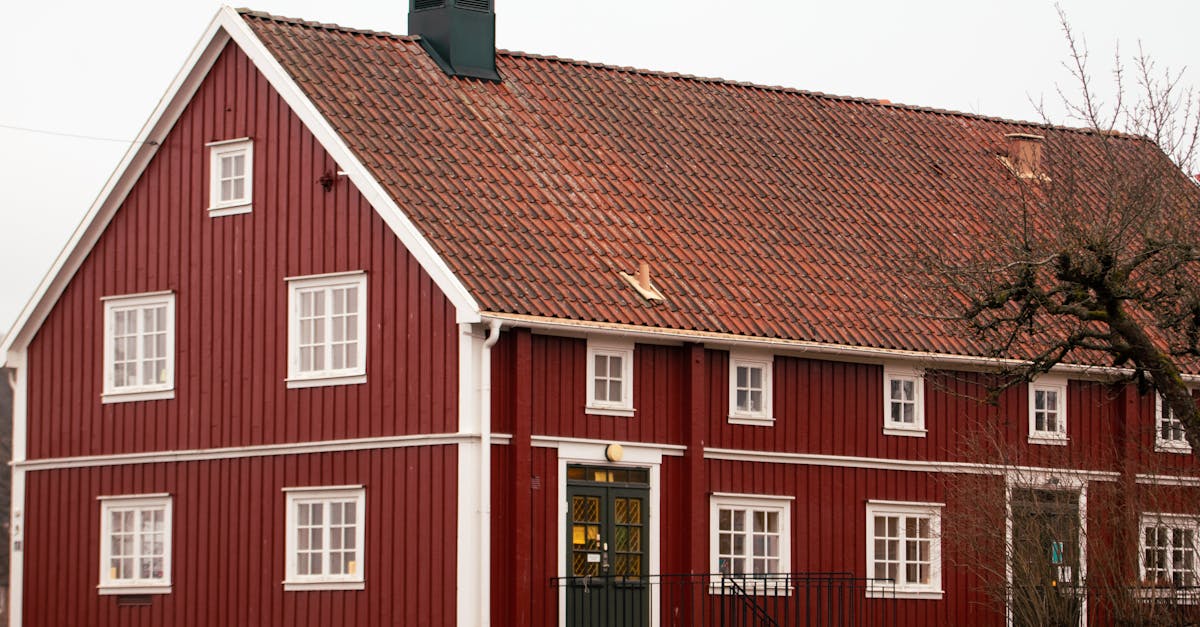
If you own a home here, understanding how the local climate affects your roof helps you make better decisions about maintenance, materials, and when to call for help.
What the Weather Does to Roofs Here
The biggest challenge for roofs in this area is freeze-thaw cycling. When temperatures drop below freezing at night and rise above it during the day, any water that has worked its way under shingles or into small cracks expands as it freezes and then contracts when it thaws. Over time this repeated movement opens up gaps that would otherwise stay sealed.
Snow and ice dams are another seasonal issue. When heat escapes from a poorly insulated attic, it warms the roof deck and melts snow from below. That water runs down toward the cold eaves and refreezes there, forming an ice dam. As more meltwater backs up behind the dam, it can work its way under shingles and into the home.
Summer brings a different set of problems. High humidity and heavy rain put roofing materials through prolonged wet conditions, and the heat accelerates the aging of asphalt shingles by causing them to lose their flexibility faster.
Homeowners in Bucks County looking for roofers Bucks County, PA who understand these specific conditions will get better advice than from a general contractor who is not familiar with regional climate patterns.
Common Roofing Materials and How They Hold Up
Asphalt shingles are the most common choice in the area and have been for decades. They handle cold weather reasonably well, are cost-effective, and come in a wide range of styles. The trade-off is that lower-quality asphalt shingles do not hold up well to repeated freeze-thaw cycles or heavy snow loads. If you are replacing a roof, choosing a higher-grade shingle with a longer warranty is worth the additional cost in this climate.
Metal roofing has become more popular among homeowners who want a long-term solution. Metal handles snow extremely well because the smooth surface allows it to slide off rather than accumulate. It is also resistant to the temperature swings that cause other materials to crack or degrade. The upfront cost is higher, but metal roofs in this climate often outlast two or three asphalt shingle replacements.
Slate is common in older Bucks County homes and can last a very long time when it is in good condition. The challenge is that slate is heavy, expensive to repair, and requires specialists who know how to work with it. If you have a slate roof, not every roofing contractor will be the right fit for your job.
Finding the Right Help
The Bucks County area has plenty of local roofing companies, but they are not all the same. A few things to look for when evaluating your options:
Local experience matters. A company that has been working in Bucks County for years understands the common failure points in homes built in different eras here. Older homes often have specific structural considerations that newer builds do not.
Licensing and insurance should be non-negotiable. Pennsylvania requires contractors to be registered, and the company you hire should carry both liability insurance and workers compensation. If a worker is injured on your property and the company does not have proper coverage, you can be held liable.
Written estimates tell you clearly what you are paying for. Any reputable roofing company Bucks County will put the scope of work, materials, timeline, and cost in writing before starting a job.
References from the local area are more useful than national reviews. A company with a history of happy customers in your county has a verifiable track record in the conditions your home actually deals with.
Common Repairs in This Area
Ice dam damage is one of the most frequent repair jobs that come up after a hard winter. The water that backs up behind dams often gets under flashing around chimneys, valleys, and eaves, causing leaks that show up inside as stains on ceilings or walls. Addressing the underlying ventilation and insulation problem is as important as fixing the water entry point itself.
Flashing failures are another common issue in older homes. Flashing is the metal used to seal joints around chimneys, skylights, and vents. Over time the sealant fails, or the metal corrodes, and water begins to get through. This is often what is happening when a homeowner has a leak but cannot find any obvious shingle damage.
Wind damage from spring and fall storms regularly knocks shingles loose or lifts the edges of flashing. Even if the damage looks minor from the ground, it can allow water in during the next rain.
When to Schedule an Inspection
The best times to have your roof inspected are in the spring after winter is over and in the fall before the cold sets in. A spring inspection lets you find any damage from ice and snow. A fall inspection lets you deal with anything that needs attention before freezing temperatures make repairs more difficult.
If your home is over 20 years old and the roof has never been replaced, getting an evaluation from roofers Bucks County is a practical step. Knowing the condition of your roof before it fails gives you the option to plan a replacement on your own schedule rather than as an emergency.
What an Inspection Covers
A proper roof inspection should look at the shingles for cracking, curling, missing sections, and granule loss. The inspector should check all flashing points, examine the condition of gutters and downspouts, and if possible look at the attic for signs of water intrusion, inadequate ventilation, or damaged decking.
The report you receive should tell you the approximate remaining lifespan of your current roof, any repairs needed now, and anything to watch over the next year or two. That information lets you plan and budget rather than react when something goes wrong at the worst possible time.
For most homeowners in this area, the roof is one of the more significant investments on the property. Taking care of it with regular attention is always cheaper than ignoring it until you have no choice.