Choosing between an overbelt magnet and an inline or chute magnet is one of those decisions that looks simple on paper but has real consequences on the plant floor. Get it wrong and you end up with either a magnet that misses contamination or one that creates a bottleneck where none needed to exist. Get it right and the whole line runs cleaner, faster, and with fewer stoppages.
This piece breaks down how each configuration works, what it is actually built for, and the factors that push a specific application toward one choice over the other.
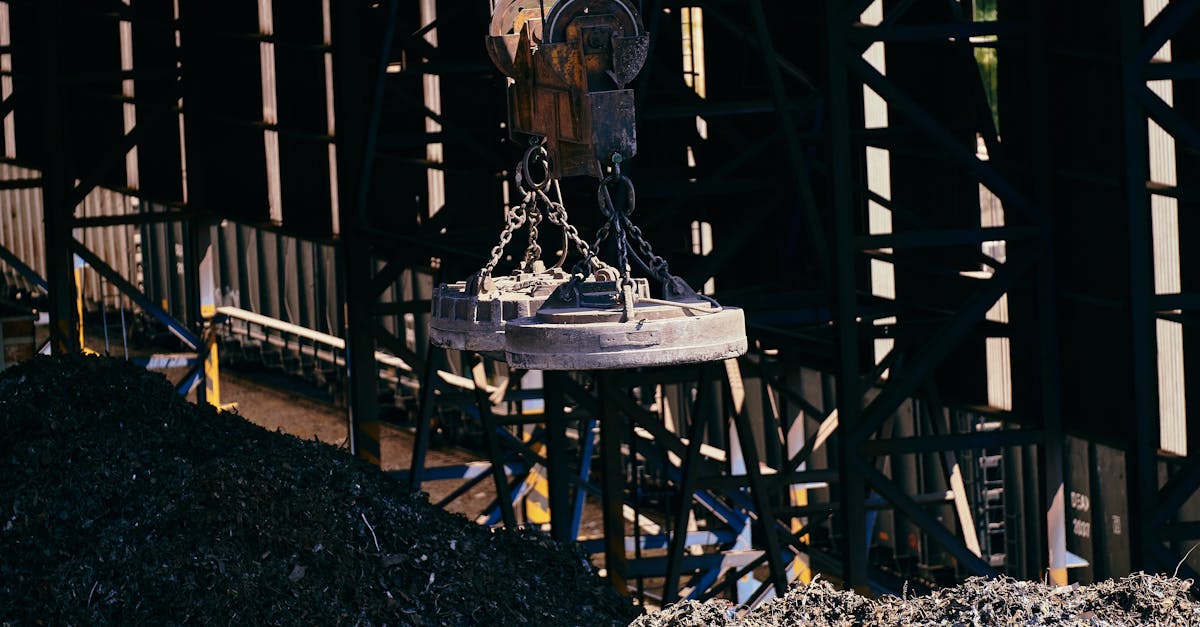
What Is an Overbelt Magnet?
An overbelt magnet is suspended above a conveyor belt, either perpendicular to the belt (cross belt) or inline with its direction of travel. The magnet sits at a set distance above the material stream and pulls ferrous pieces upward out of the product as it passes underneath.
Self-cleaning versions use a continuously moving belt that carries the extracted metal away from the magnetic field and drops it into a collection bin. Manual-clean versions hold the metal until an operator removes it during a scheduled shutdown. Self-cleaning is the standard choice for high-throughput lines where stopping is not practical.
The key advantage of the overbelt configuration is that it handles large volumes of bulk material without interrupting flow. The product keeps moving on the main belt while the magnet quietly pulls out the ferrous content from above.
What Is a Suspended Electromagnet?
A suspended electromagnet is the powered version of the overbelt concept. Instead of a permanent magnet, an energised coil generates the magnetic field. This gives operators the ability to switch the field on and off, adjust field strength where the equipment allows for it, and handle very heavy or deeply buried tramp metal that a permanent magnet might not reach.
Oil-cooled versions handle the heat generated during continuous operation, making them suitable for around-the-clock extraction duties on aggregate, mining, and recycling lines.
How a Cross Belt Magnetic Separator Works
A cross belt magnetic separator is the most common overbelt layout. The magnet is mounted perpendicular to the main conveyor, with its own belt running at 90 degrees to the product flow. Ferrous material is lifted from the product stream, carried sideways by the cross belt, and discharged into a collection chute on one side.
This layout works well when there is enough vertical clearance above the main belt and when the product depth is relatively uniform. It is particularly common in quarrying, demolition waste processing, and secondary aggregate production where large rocks or mixed debris passes through continuously.
Magnetic Separator for Belt Conveyor: Inline vs Perpendicular
When selecting a magnetic separator for belt conveyor applications, the first geometric question is whether the extraction belt runs inline with or across the main conveyor.
Perpendicular (cross belt) configurations discharge the extracted metal to the side and keep it well clear of the product stream. This is the preferred layout when there is adequate headroom and width available.
Inline configurations, where the magnet belt runs parallel to and above the main conveyor, are used where space constraints prevent a cross belt installation. They are also common at the head pulley end of a conveyor where the product is about to discharge anyway.
Both configurations can use permanent magnets or electromagnets depending on the required field strength and the weight of metal pieces expected.
What Are Inline and Chute Magnets?
Inline magnets and chute magnets are designed for different material flow situations. Instead of extracting from an open moving belt, they are positioned within a product flow path, either inside a chute, at a transfer point, or within a pipeline.
Plate magnets, for example, mount flush against the inside face of a chute. As material slides past, ferrous particles are attracted to the plate face and held there until the plate is cleaned. Grate magnets and tube magnets do the same job inside gravity-fed chutes and pipelines carrying powders, granules, or liquids.
These configurations are not designed for large-volume bulk streams. They suit tighter, more controlled product flows where the material passes through a defined channel or drop point.
Magnetic Drum Separator vs Overbelt: Key Differences
A magnetic drum separator uses a rotating drum with a stationary internal magnet. Product is fed over the drum surface. Ferrous material sticks to the drum face, travels with it, and releases when it moves past the end of the internal magnet into a separate discharge zone.
The drum type magnetic separator is effective for high-volume processing of smaller, finer materials. It is common in iron ore processing, sand preparation, and recycling applications where the feed is relatively fine and the throughput is high.
Where an overbelt sits above a wide belt and works on material in a thick layer, the drum magnet typically processes a thinner curtain of material falling or rolling across its face. Both are capable of high separation efficiency, but they suit different feed presentations.
Magnetic Head Pulley and Magnetic Pulley Separator
A magnetic head pulley replaces the standard non-magnetic drive pulley at the discharge end of a conveyor. As the belt wraps around the pulley, the ferrous content in the product stream is held against the belt face and carried past the normal discharge point before releasing into a separate bin.
The magnetic pulley separator design is compact, low-maintenance, and cost-effective for continuous separation on existing conveyor lines. It does not require any additional overhead structure. The tradeoff is that it only works at the discharge end of a belt and extraction efficiency depends on belt speed, particle size, and material depth.
For applications where a full overbelt system is too expensive or the installation space is too restricted, the magnetic head pulley offers a practical middle path.
Magnetic Roller Separator and Magnetic Roller Conveyor
A magnetic roller separator uses a high-intensity magnetic roller at the discharge end of a narrow conveyor belt. Material drops off the belt edge, and ferrous or weakly magnetic particles are deflected by the magnetic field into a separate stream while non-magnetic particles follow their natural trajectory.
This configuration handles dry, free-flowing materials such as minerals, abrasives, and granular products. It is particularly effective for separating weakly magnetic minerals that would not respond well to lower-intensity equipment.
The magnetic roller conveyor extends this concept to conveyor systems fitted with magnetic roller elements along the bed, keeping fine ferrous particles extracted from the product as it moves.
High Intensity vs Low Intensity: When It Matters
A high intensity magnetic separator generates a much stronger magnetic field, typically using rare earth permanent magnets or high-powered electromagnets. This is necessary for extracting weakly magnetic materials, very fine particles, or minerals with low magnetic susceptibility.
A low intensity magnetic separator is sufficient for strongly magnetic materials like tramp iron and steel. Most overbelt and head pulley configurations fall into the low-to-medium intensity range, which is more than adequate for general tramp metal removal.
The selection between high and low intensity has a significant impact on capital cost, operating cost, and the complexity of maintenance. High intensity equipment is justified when the material being separated genuinely requires it, not simply as a precaution.
Which Configuration Suits Which Application?
For open belt conveyors carrying bulk materials like quarried aggregate, coal, ore, or demolition waste, the conveyor magnetic separator in overbelt or cross belt configuration is almost always the right choice. The material volume, particle size, and the need to keep the main belt moving without intervention make the overhead suspended magnet the practical solution.
For transfer points, chutes, and confined product streams, inline chute magnets or plate magnets work better. The product flow is channelled, which means a smaller, lower-cost magnet can cover the full stream cross-section.
For end-of-conveyor extraction without additional structure, the magnetic head pulley or magnetic drum separator suits fine-to-medium particle applications where the feed can be presented across the full drum or pulley face.
Magnetic Conveyor System Design Considerations
When designing a magnetic conveyor system, several practical factors affect the final configuration choice: the burden depth of material on the belt, the size and weight of the expected tramp metal pieces, the belt width and speed, available headroom, and whether continuous self-cleaning is required or whether periodic manual clean-down is acceptable.
Industrial magnetic separators are not one-size-fits-all. The right equipment selection starts with an honest assessment of the feed characteristics and the operational constraints of the installation site.
Working with a qualified magnetic separation equipment supplier who can review the specific application and recommend the appropriate configuration saves time, money, and the frustration of installing equipment that underperforms from day one. The right magnet in the right position does far more work than a powerful magnet in the wrong configuration.