Most teams place their jersey order about two weeks later than they should. Practice starts, the schedule comes out, someone realises nobody has organised the uniforms yet, and suddenly there is a scramble. The order gets rushed, sizes get guessed, and at least two players end up with something that does not quite fit.
Getting custom team gear right is less about finding the right printer and more about doing a bit of groundwork before you even look at options. The teams that end up happy with their kit are the ones who sorted a few things out early.
Know What You Actually Need Before You Start
The first thing to settle is what sport you are ordering for, because the requirements vary more than people expect.
Custom hockey jerseys have specific sizing and cut requirements that differ from other sports. Hockey players wear equipment underneath, which means the jersey needs to fit over shoulder pads and still allow full movement. Getting the sizing wrong on a hockey order means players are uncomfortable on the ice, and there is no quick fix once the order has been printed.
Custom baseball jerseys typically come in a different cut with button-front options and a longer back hem to stay tucked in during play. If your league has specific uniform rules around button fronts or collar styles, those need to be confirmed before design work starts, not after.
Custom soccer jerseys are usually the most straightforward in terms of cut, but colour matters more in soccer than most people think. If your team plays in a league where two teams could have similar colours, you may need a clearly contrasting away option. Some leagues specify this and others leave it to common sense.
Collect Sizes Before You Do Anything Else
This sounds obvious and yet it is the step that kills more orders than any other.
Getting accurate sizes from a full team takes longer than expected. People do not respond to messages promptly, some players are uncertain about whether they want a relaxed fit or a tighter athletic cut, and a few will inevitably change their mind after the order is placed. Give yourself at least a week to collect sizes, chase the stragglers, and confirm the final list before submitting anything.
Building a shared spreadsheet with each player’s name and size, then giving the team a firm deadline to respond, works better than chasing individual messages. Once the deadline passes, order based on what you have. Late responses become their problem.
Understand the Minimum Order and Lead Time
Many teams do not realise that custom jersey printing has lead times attached, and those lead times change depending on the method and quantity.
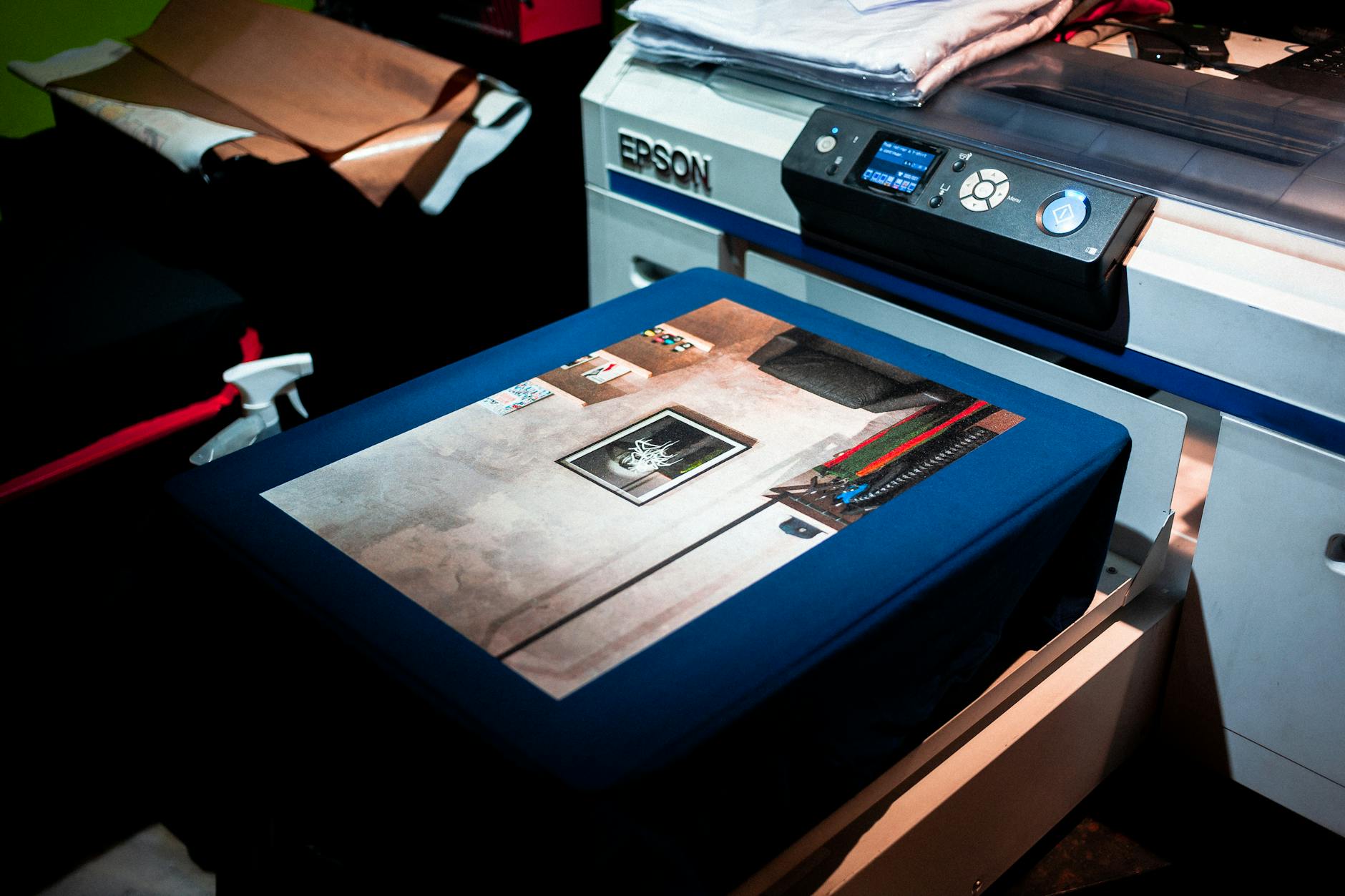
For small runs, T-Shirt Printing using direct-to-garment or direct-to-film methods can turn around in a matter of days. For larger orders using screen printing or sublimation, production alone can take one to two weeks before shipping is even added. If the season starts in three weeks and you have not placed your order yet, ask about rush options upfront rather than assuming it will arrive in time.
Minimum order quantities vary by printer and by method. Some will do single pieces with no minimum; others require a minimum of twelve or twenty-four units for certain methods. If your team is small or you need a few replacement pieces later, check whether the printer can accommodate that before committing.
Factor in Customisation Per Player
Standard orders have a team name and number. Most coaches stop there. But custom gear can also include player names on the back, position labels, sponsor logos, or year-specific patches for commemorative seasons.
Each addition adds cost and sometimes adds to the production time. Decide upfront which of these matter to your team and which ones you can skip. A clean jersey with a number and team name looks professional. Adding everything available makes it expensive and sometimes cluttered.
For youth teams, player names are often a nice touch because younger players tend to feel more connected to gear that has their name on it. For adult recreational leagues, it comes down to budget and how much the team wants to spend per piece.
What to Check on the Design Before You Approve It
Most printers will send a digital proof before going to production. This is the point where small errors get caught, and it is worth spending time on it rather than approving quickly.
Check that the team name is spelled correctly. Check that numbers match your submitted list. Confirm that the colours in the proof look the way you intended, bearing in mind that on-screen colours can look slightly different from printed output. If exact colour matching matters for league compliance or brand consistency, ask the printer about Pantone or colour specification options.
For custom jerseys with sponsor logos, check that the logo files provided were high resolution. A logo that looks sharp on a screen can come out soft or pixelated when printed at jersey size. The printer will usually flag this, but it is worth confirming.
Handling Payment and Distribution
For team orders, someone ends up acting as the coordinator, which usually means collecting money from other people, a task that takes more time and goodwill than expected.
Decide early whether the team will split the cost equally, whether each player pays for their own piece, or whether there is a club budget covering it. Setting expectations before the order goes in prevents the awkward conversations after it arrives.
When the order comes in, check every piece against the submitted list before distributing anything. It is easier to flag a printing error or a size discrepancy at this point than to deal with it once gear has been handed out and people have already started using it.
Getting custom team gear ordered well is mostly a logistics problem, not a design one. The teams that are happy with the result at the end of the season are the ones who started the process early, confirmed their details carefully, and left enough time for things to get done without rushing.