Construction sites generate dust constantly. Earthmoving, demolition, material stockpiles, vehicle traffic across unsealed surfaces: every one of these activities puts particulate matter into the air. Left unmanaged, that dust creates health risks for workers, generates complaints from surrounding communities, and can put a site in breach of its environmental obligations.
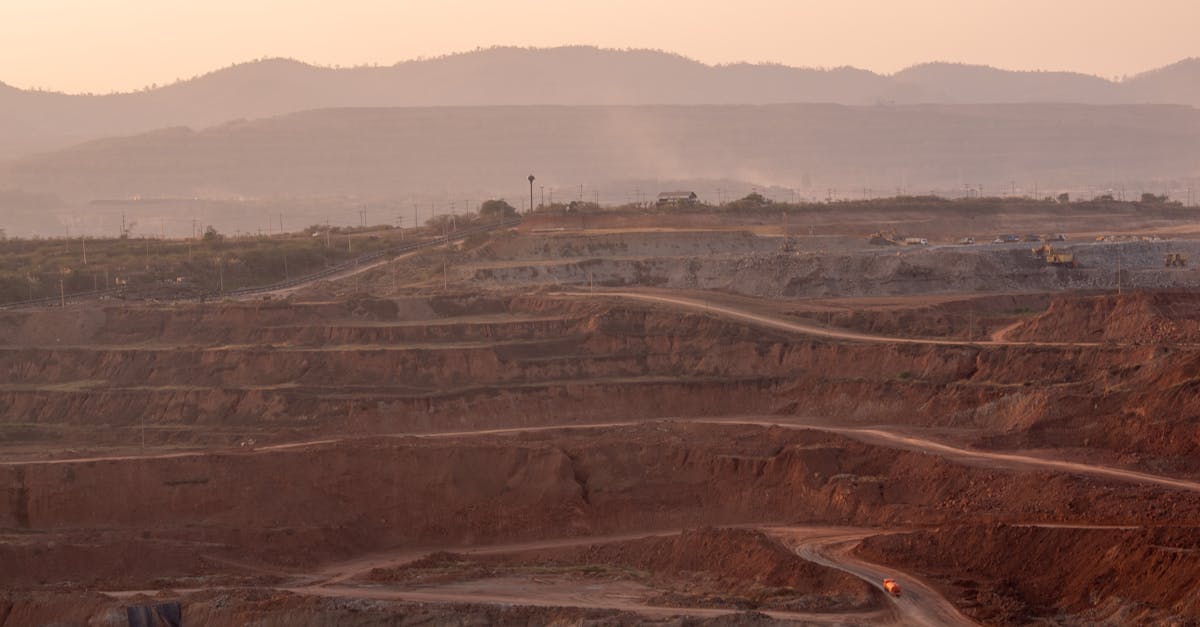
The right dust suppression solutions address all three of these problems at once. But there is a wide range of approaches available, and the most effective one depends heavily on the specific conditions of the site: the type of material producing the dust, the scale of the operation, the proximity to residential or commercial areas, and the available water supply.
Why Construction Dust Is a Specific Problem
Dust from construction sites is not a single substance. It is a mix of particles from soil, concrete, gypsum, silica, and other materials depending on what the site is doing. The finest particles, classified as PM2.5 and PM10, are the most dangerous because they penetrate deep into the lungs and are associated with long-term respiratory conditions.
Silica dust is a particularly serious concern on sites where concrete cutting, drilling, or demolition is happening. Prolonged exposure to crystalline silica can cause silicosis, a permanent lung condition. Occupational health regulations in most countries set strict limits on workplace silica exposure, and construction sites are often the highest-risk environment.
Beyond health, dust causes visibility issues on site, damages equipment, and carries off-site onto roads and into nearby properties. Managing it is not just good practice: it is a legal and operational requirement.
Water-Based Suppression: The Most Common Approach
Water is the most widely used dust control agent on construction sites. It works by binding fine particles together so they are too heavy to become airborne. Applied correctly, water-based dust control can reduce particulate emissions dramatically.
The challenge is application. Hosing down a site with a standard hose is inefficient, uses too much water, and turns surfaces into mud. Modern dust suppression systems use precisely engineered nozzles and delivery mechanisms to apply water as a fine mist or spray, achieving maximum surface coverage with minimum water consumption.
The location and timing of water application matters too. Spraying only the areas actively generating dust, at the right moment in the operation, is far more effective than broad periodic wetting. This is where automated systems have a clear advantage over manual approaches.
Dust Suppression Systems for Construction
A permanent or semi-permanent dust suppression system on a large construction site typically combines several components. Perimeter systems create a barrier of fine mist around the site boundary, preventing dust from escaping into adjacent areas. Targeted spray bars or nozzle arrays are positioned at specific dust-generation points: material processing areas, haul road intersections, or active demolition zones.
The control system ties it together. Modern setups use sensors to detect dust levels and trigger the spray systems automatically when particulate concentrations reach a set threshold. This prevents both under-treatment (dust escaping) and over-treatment (excessive water use and mud creation).
For sites with changing layouts, portable or wheel-mounted units offer flexibility. These can be repositioned as the site evolves and the active work areas shift.
Fog Cannons on Construction Sites
Large open sites, particularly those with active earthmoving or material stockpiles, benefit from fog cannons in addition to fixed suppression systems. Fog cannons generate a high-velocity stream of ultra-fine water droplets that can cover a large area quickly. The droplet size is calibrated to match the size of the airborne particles, which makes the capture and settling effect significantly more efficient than a standard water spray.
On a construction site, fog cannons are typically deployed at stockpile areas and at the entry and exit points of haul roads. They are also used during demolition activities where burst dust events are likely. Their range and output can be adjusted based on conditions, and modern units are designed for easy repositioning.
Dust Suppressants and Chemical Additives
Water alone works well in many conditions, but in hot, dry, or windy environments it evaporates too quickly to be effective for long. Dust suppressant additives extend the working life of water treatment by binding particles more durably.
Common additives include hygroscopic salts, which attract moisture from the air and keep surfaces damp for longer, and polymer-based products, which create a flexible crust on surface material that resists wind erosion. The right choice depends on the surface material and the environmental conditions.
Suppressants need to be chosen carefully. On a construction site that discharges water to drainage systems or nearby watercourses, any chemical additive must be environmentally safe. Reputable dust suppression suppliers can advise on products that are effective without creating secondary environmental problems.
Managing Haul Roads
Haul roads are one of the biggest dust generators on any construction site. Vehicles travelling at speed across unsealed surfaces kick up significant quantities of fine material, particularly in dry conditions. The dust from haul roads can travel hundreds of metres and is often the source of community complaints.
Treating haul roads requires a combination of surface management and suppression. Keeping surfaces properly compacted reduces the loose material available to become airborne. Water application along haul roads, either from a static spray system or from a water bowser, keeps the surface damp. Vehicle speed limits on unsealed haul roads also have a significant effect: halving the speed does not halve the dust, it reduces it by considerably more.
Measuring Effectiveness
Any dust management programme on a construction site should include monitoring. Without measurement, there is no way to know whether the suppression measures are achieving their target or whether adjustments are needed.
Particulate monitoring equipment ranges from simple handheld devices to permanent fixed monitors with real-time data transmission. The level of monitoring required depends on the size of the site, the proximity to sensitive receptors, and the requirements of any environmental permit or consent.
Setting up a baseline measurement before suppression systems are installed gives a reference point. Regular monitoring during operations shows whether the system is keeping pace with the dust load as site activities intensify or change.
Choosing the Right Approach for Your Site
No single approach works for every construction site. A large infrastructure project with extensive earthmoving and haul roads needs a different solution from a smaller commercial development in an urban area. The most effective outcomes come from assessing the specific dust sources on a site, understanding the surrounding environment, and designing a suppression strategy that addresses each source appropriately.
Getting the assessment right from the start saves time and money over the life of the project.