Back pain is one of the most common reasons people miss work, avoid exercise, and end up frustrated with treatments that don’t seem to help. Part of the reason treatments fail is that not all back pain is the same. Pain coming from a muscle strain behaves differently from pain coming from a disc or spinal issue, and treating the wrong one wastes time.
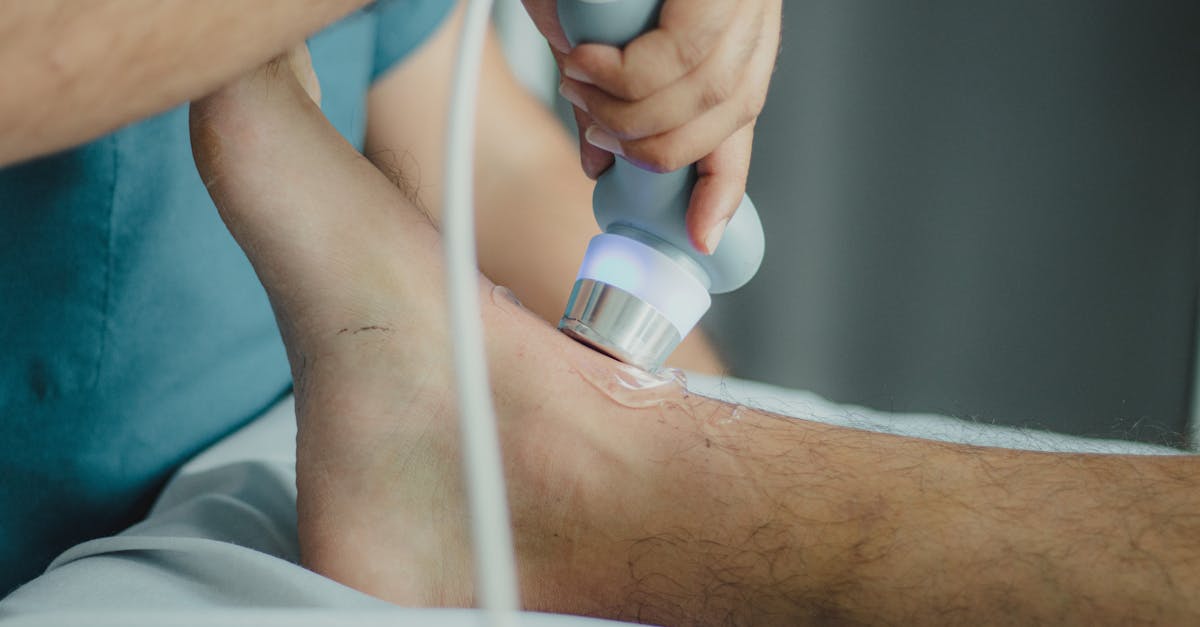
Most people assume the worst when their back goes. They picture slipped discs, nerve compression, surgery. But a lot of back pain is muscular, resolves with the right treatment, and doesn’t involve the spine at all. The challenge is that the symptoms can feel similar, especially in the early stages.
Where the Pain Is Located
Muscular back pain tends to be localised. You can usually point to the spot, and pressing on it confirms it, the area feels tender, tight, or knotted. It often appears after a specific activity: lifting something awkward, sitting in an unusual position for a long time, or an intense workout.
Spinal disc problems tend to produce more diffuse or radiating pain. Instead of one tender spot, you might feel pain that travels down into your buttock, hip, or leg. This is because a disc that’s pressing on a nearby nerve doesn’t just cause pain at the disc, it sends signals along the path of that nerve.
The Role of Movement
With muscle pain, certain movements hurt and others don’t. Bending forward might be fine while twisting is not. The pain is directional and predictable. Rest usually brings relief, and the pain tends to ease off over a few days.
With disc-related problems, movement can be less predictable. Some positions that should feel neutral, standing upright, for example, can be just as painful as movement. A physio Clondalkin assessment can help identify which specific movements provoke symptoms and which relieve them, which is often more informative than a scan alone.
Leg Symptoms Are a Key Indicator
If your back pain is accompanied by numbness, tingling, weakness, or pain that runs into one leg, the likely source is your spine rather than your muscles. This is called referred pain or radicular pain, and it’s a sign that a nerve is involved.
Sciatic nerve irritation, for example, can produce sharp or burning pain that runs from the lower back through the buttock and down the leg, sometimes reaching the foot. Muscles don’t produce this pattern. When a patient reports it, a physio will immediately investigate the spine as the probable origin.
Duration and How It Started
Muscular pain often has a clear trigger and a relatively quick recovery, most muscle strains improve significantly within one to two weeks with appropriate care. If your back pain has been going on for more than six weeks, or if it keeps returning despite rest and basic treatment, the spine may be involved.
Slipped disc treatment is often needed when pain has become chronic or when conservative measures haven’t produced improvement. A proper diagnosis, rather than continued guessing, is the more efficient path at that point.
Night Pain and Rest Symptoms
Muscular pain typically improves when you rest or lie down, because the muscles are no longer under load. If your back pain is worse at night, wakes you from sleep, or is present when you haven’t been active, that’s a pattern worth investigating. Persistent night pain can indicate an inflammatory or structural cause rather than a mechanical one.
What a Physiotherapy Assessment Covers
A physio doesn’t just ask where it hurts. A thorough assessment looks at posture, range of movement in multiple directions, neurological signs like reflexes and sensation, and specific provocation tests designed to identify the source of pain.
For patients presenting with disc-related symptoms, a physio in Clondalkin will carry out tests that can indicate whether nerve compression is present and how significant it is. This shapes the treatment plan considerably. Managing a nerve root irritation is different from managing a muscle injury.
When Imaging Helps
Many people come in having already had an MRI or X-ray and want to know what the findings mean for their treatment. Imaging is useful for confirming a suspected diagnosis, but it’s not always the first step. A physio can make a working clinical diagnosis based on assessment, and many patients progress well without needing a scan.
That said, if symptoms include significant weakness, loss of bladder or bowel control, or severe neurological deficit, imaging is urgent. These are signs that warrant immediate medical attention, not a wait-and-see approach.
Treatment Differs Depending on the Source
If the pain is muscular, treatment often involves manual therapy, targeted exercise, and load management. The goal is to restore normal movement, reduce muscle tension, and return the patient to activity.
Bulging disc treatment follows a different pathway. Depending on the severity and direction of the disc problem, a physio may use specific movement-based approaches, spinal decompression therapy, or a combination. The aim is to reduce pressure on the affected disc or nerve and retrain the surrounding structures to support the spine better.
The Practical Takeaway
If your back pain is sharp, localised, came on after a specific activity, and is improving day by day, it’s likely muscular, and basic care plus time will help. If your pain is spreading into your leg, has been present for more than a few weeks, is waking you at night, or isn’t responding to rest, it’s time to get a proper assessment.
Guessing and waiting has a cost. The right diagnosis, taken early, usually means a shorter and more effective treatment path. A Clondalkin physio who specialises in spinal conditions can typically identify the source of pain within a single assessment, give you a clear explanation of what’s happening, and start you on a structured plan the same day. The difference between ignoring back pain and addressing it properly often comes down to a few weeks of proactive care versus months of ongoing discomfort.