Every construction project produces waste material. Concrete slabs, masonry rubble, rock from excavations, reclaimed road base, it all has to go somewhere. The default approach on most sites is to load it into trucks and cart it off to a crusher or a landfill. This is simple and familiar, but it’s rarely the cheapest or fastest option for larger volumes.
Mobile crushing and screening plant hire offers an alternative that often saves money, speeds up the project, and keeps usable material on site where it can actually be used. Knowing when to make that switch is worth understanding before the next project starts.
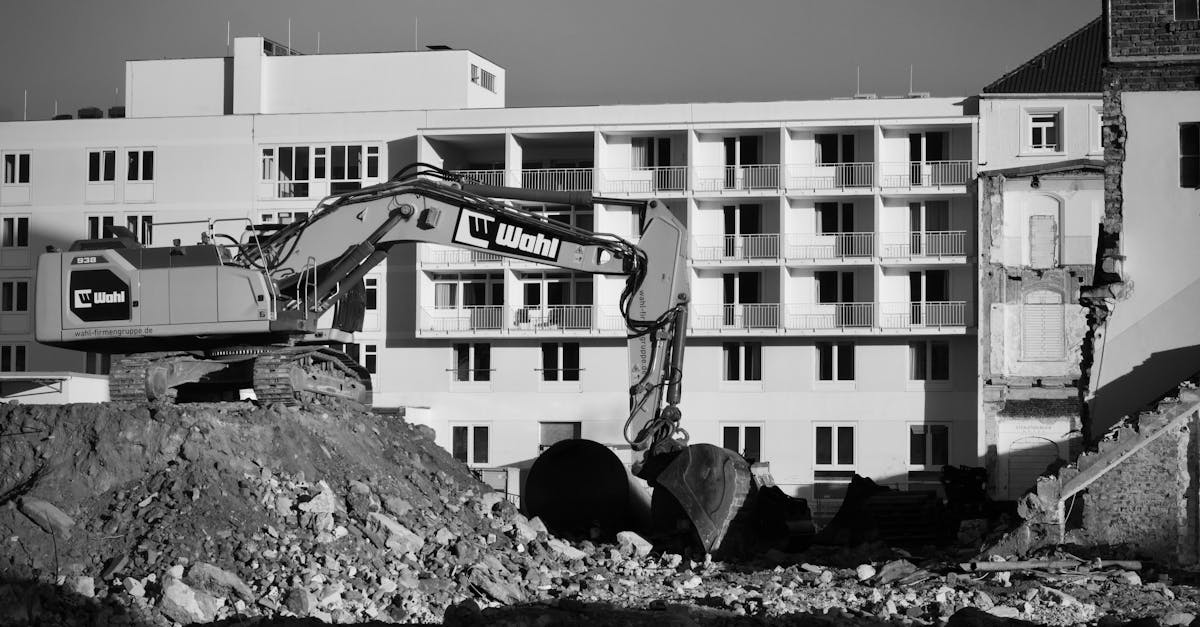
The True Cost of Carting Rubble Off Site
When project managers calculate the cost of waste removal, they typically count the truck hire and tipping fees. What often gets missed is the full picture.
Every trip off site takes a truck off the job. On a busy site, that means delays in other material movements. Tipping fees at licensed disposal or processing facilities add up quickly, especially for large volumes. If the site is generating material that could be reprocessed into aggregate, that material has value, value that’s being sent away and then repurchased in the form of imported base course or sub-base aggregate.
The formula changes once you’re dealing with volumes above roughly 500 cubic metres. Below that, carting is probably simpler. Above it, the economics of crusher and screener hire start to look attractive.
What a Crushing and Screening Plant Does On Site
A mobile crushing and screening plant hire unit typically consists of two main components working in sequence. The crusher breaks down oversized material, concrete, rock, or rubble, into smaller particles. The screener then separates that material into different size fractions using vibrating mesh screens.
The output is aggregate of specified sizes, usually separated into several grades: fine material that can be used for bedding, medium material for base course, and larger particles for sub-base or drainage applications. Depending on the original material and the spec of the equipment, plants can produce material to quite precise grading requirements.
On a demolition or civil works site, this means the concrete from a demolished slab can become the sub-base for a new road, or the rubble from an excavation can become fill material for another section of the same project. Material that was a disposal cost becomes a supply.
Types of Projects That Benefit Most
Demolition Followed by New Construction
When a building is being demolished and a new structure is going up on the same site or nearby, there is an obvious opportunity. Demolition waste gets crushed and screened into usable aggregate, that aggregate goes into the foundations or surfacing of the new build. The material loop closes on site without trucks leaving for off-site disposal and then returning with bought-in aggregate.
This works particularly well for commercial redevelopments, school and hospital rebuilds, and large residential developments where the footprint is being cleared and rebuilt.
Road Construction and Rehabilitation
Road projects regularly generate material that can be reprocessed. Old asphalt and concrete base course can be crushed and blended back into new base material, sometimes with minor stabilisation. Mobile crushing plant hire on a road project means the contractor can reprocess material in the same pass as the rehabilitation work, keeping trucks on the road rather than shuttling between the site and an off-site plant.
For long linear projects, mobile plants can be relocated along the route as work progresses, which is far more practical than a fixed plant at one end of a 20km road.
Quarrying and Mining Sites
Sites that are generating rock through blasting or mechanical excavation need that rock broken down before it can be used as aggregate or moved. A fixed crushing facility makes sense for an ongoing quarry operation, but for shorter-term mining projects, a remote location, or a situation where different size outputs are needed at different project phases, mobile screener hire combined with a crushing unit gives far more operational flexibility.
The ability to relocate the plant as the working face moves, and to adjust screen sizes for different product specs, suits the variability of most extraction projects.
Land Clearing for Development
When agricultural land or undeveloped ground is being prepared for a township or industrial development, the excavation process often uncovers rock, laterite, or other materials that need processing before they can be used as fill or road base. Bringing in a mobile screening plant hire unit to process this material on site is far more cost-effective than exporting it and importing fill separately.
Choosing Between Different Plant Configurations
Not every crushing plant hire is the same. Understanding the differences helps with choosing the right equipment for the job.
Jaw crushers are the most common type for primary crushing. They handle large, hard material, including reinforced concrete, and break it down to a manageable size for secondary processing. Most jaw crusher hire units are track-mounted for easy repositioning on site.
Impact crushers work better for softer material like asphalt, limestone, and general construction rubble. They produce a more cubical product than jaw crushers, which is preferred for certain road base applications. They are also better suited to producing finer output sizes.
Cone crushers are used for secondary and tertiary crushing when a very consistent, fine product is needed. They’re less common in hire fleets than jaw and impact crushers but are available for projects that need precise aggregate grading.
Screening plants can operate independently of a crusher for projects where the material is already at a suitable size but needs to be separated by grade. Screening plant hire alone is useful when processing already-crushed aggregate, soil classification, or separating material by size for different applications on the same site.
Practical Factors When Bringing in a Plant
Before arranging screening plant rental, there are a few site-specific questions worth working through.
Space: Mobile crushing and screening plants need a working area. A typical track-mounted jaw crusher with a feed hopper and discharge conveyor needs roughly 20m x 30m of clear ground as a minimum. Add to that the stockpile area for each output fraction and access for the excavator feeding the plant.
Feed material: The plant spec needs to match the material being processed. Reinforced concrete with steel rebar requires a plant equipped to handle metal, most modern units have magnet systems on the discharge conveyor to pull rebar out of the product stream, but this should be confirmed before delivery.
Output specification: Different applications need different aggregate grades. Knowing what grade you need before the plant arrives means the screens can be set up correctly on day one rather than adjusted after production has started.
Duration: Short-hire periods of less than two weeks may not justify the mobilisation and demobilisation costs for larger plants. For shorter jobs, smaller skid-mounted units or purchasing external crushing capacity by the tonne may make more sense.
Environmental and Regulatory Considerations
Processing material on site in South Africa is subject to environmental permitting requirements that vary by province and project type. If the activity constitutes a waste management activity under the National Environmental Management Waste Act, registration as a waste management facility may be required.
In practice, crushing demolition waste on the same site it came from for use on the same project typically falls under a lower regulatory burden than operating a commercial crushing facility. It’s worth getting clarity from an environmental practitioner before mobilising equipment, particularly for larger projects or those in environmentally sensitive areas.
Material that contains asbestos or other hazardous compounds should not be processed through a crushing plant, the material needs to be removed and disposed of by a licensed contractor before any crushing or earthworks activities begin on the affected area.
The case for on-site crushing comes down to volume, timeline, and logistics. When those three factors align, bringing equipment to the material is almost always smarter than taking material to the equipment.