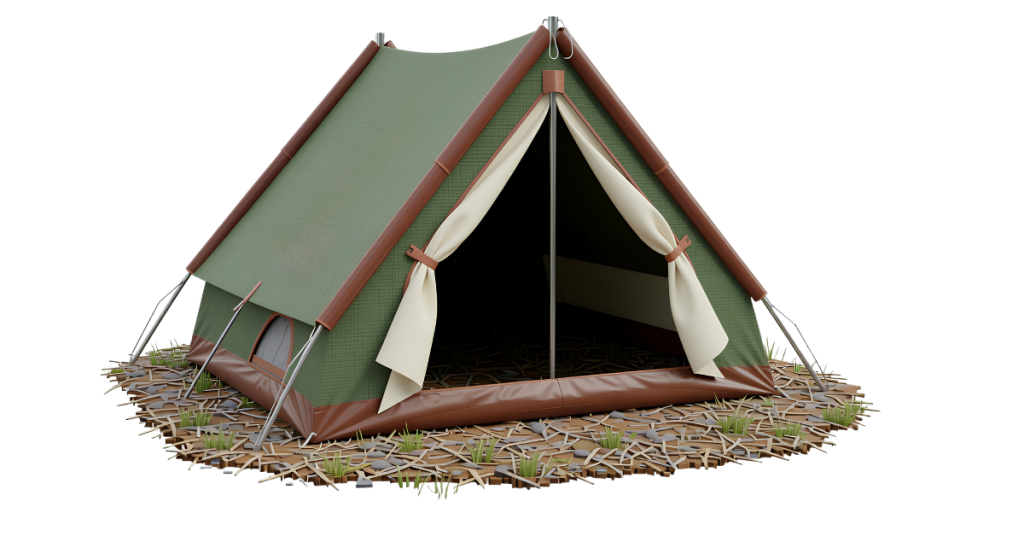
Camping has changed plenty over the past 20 years. The old image of pitching a heavy canvas tent on rocky ground, fighting the wind, and sleeping on a thin mat has given way to better gear that makes the whole thing far more pleasant. One of the biggest shifts has been the rise of tents that mount on the roof of a vehicle.
This article looks at how these tents work, who they suit, and what to think about before buying one.
What These Tents Actually Are
A roof tent is a sleeping unit that mounts onto the roof racks of a car, bakkie, or 4×4. The tent folds up into a compact shape during driving and pops open when you reach camp. Most models come with a built-in mattress, a ladder for getting up and down, and sleeping space for two to four people depending on the size.
Roof Top Tents for Cars have grown massively in popularity across South Africa over the past decade. The shift from ground tents to roof tents has been driven by a few real benefits that ground campers can’t match.
The Big Benefits
Setting up a roof tent takes minutes. Unclip the cover, fold the tent open, and pull out the ladder. The bedding stays inside the tent during travel, which means no wrestling with sleeping bags and pillows every time you pitch up at a new spot.
Sleeping off the ground brings real comfort gains. The body sleeps better when it’s not on uneven, rocky, or cold terrain. Wind, rain, and surface water don’t matter the same way when you’re a few feet up in the air. Snakes, scorpions, and other small creatures that wander through campsites at night stay well below where you sleep.
Pack-up is just as quick. Fold the tent back, clip the cover on, and drive off. No taking down poles, rolling up canvas, or working out how to get the tent back into its bag.
Who Roof Tents Suit Best
Roof tents work best for certain kinds of campers and certain kinds of trips. They suit weekend campers who want quick setup and breakdown. They work well for couples and small families who travel light. They’re brilliant for road-trip style camping where you move from one spot to another every day or two.
The market for Rooftop Tents For Sale covers a wide range of sizes, materials, and features. Picking the right one for your needs starts with thinking about how you actually camp, not how camping looks in the marketing photos.
Where Roof Tents Don’t Work as Well
Roof tents have their downsides. Once the tent is set up, the car can’t easily move without packing the whole thing up first. This makes them less ideal for base camp setups where you want to drive into town or visit a different spot during the day.
Big families struggle with roof tents. Most models sleep two adults comfortably, with some larger units handling four people in tighter quarters. Bigger groups need to combine roof tents with ground tents or pick a different camping setup altogether.
Older campers and people with mobility issues find the ladder difficult. Climbing up and down for a 3am toilet trip gets old fast for some people. Knee and back issues make the ladder a real problem rather than a small inconvenience.
The weight of the tent on the roof affects fuel use and handling. Most modern roof tents weigh between 50 and 80 kilograms, plus the bedding inside. Taller vehicles handle the weight better than smaller cars, with bakkies and 4x4s being the natural fit.
Hard Shell Versus Soft Shell
Roof tents split into two main types. Hard shell and soft shell. Each has trade-offs worth understanding before buying.
Hard shell tents have a solid plastic or aluminium top and bottom. They open with gas struts that lift the top section in seconds. The hard shell gives better aerodynamics during driving, better protection against weather when packed, and faster setup at camp. The downside is higher cost and slightly less interior space than soft shell models of similar size.
Soft shell tents fold open like a book, with canvas walls and a fabric roof. They tend to give more interior space and often include an annex or awning that creates extra living area at the side of the vehicle. The trade-off is slower setup, more weight on the roof during driving, and more wind drag at speed.
Lightweight Roof Top Tents have come onto the market in recent years and offer a third option for campers driving smaller vehicles. These tents shave off significant weight by using lighter materials, smaller mattresses, and simpler designs. The trade-off is reduced insulation, less weather protection in extreme conditions, and shorter expected lifespans compared to heavier models.
What to Check Before Buying
Several things matter when shopping for a roof tent.
The roof load rating of your vehicle sits at the top of the list. Every car has a specified maximum dynamic load (driving) and static load (parked) that the roof can carry. Roof tents add weight from the tent itself plus people sleeping inside it. Going past these limits can damage the roof, the racks, and the vehicle’s handling.
The mattress quality matters more than buyers think. Cheap mattresses go thin and lumpy after a season of use. Quality high-density foam mattresses keep their shape for years and make a real difference to sleep quality.
Ladder length and quality should suit the height of your vehicle. Taller vehicles need longer ladders, and the angle of the ladder affects how easy it is to climb up and down. Aluminium ladders with rubber feet hold up better than cheaper steel ones.
Weather sealing on the seams, windows, and zips makes the difference between staying dry in heavy rain and waking up in a wet bed. Better tents use proper waterproof zips, taped seams, and quality canvas that holds up to years of use.
Real World Costs
Rooftop Tents South Africa wide range from around R12,000 for entry-level soft shell models up to R60,000 for premium hard shell units with all the features. Mid-range options between R20,000 and R35,000 give the best balance of quality and value for most buyers.
The tent itself is just part of the total cost. Buyers also need quality roof racks rated for the load. Strong cross bars, mounting hardware, and proper installation can add another R3,000 to R8,000 depending on the vehicle and setup.
Bedding adds another cost. A proper sleeping bag for South African conditions, decent pillows, and warm blankets for winter trips bring the total kit cost up. Most campers spend between R3,000 and R10,000 on bedding and small accessories on top of the tent itself.
Setting Up Properly
Buying the tent is just the start. Setting it up properly on the vehicle and learning to use it well takes some practice.
Mounting the tent should be done by someone who knows what they’re doing if you’re not confident. The tent needs to sit centred on the racks, with proper torque on all the bolts. Loose mounts cause damage during travel and can let the tent shift dangerously on rough roads.
Practice opening and closing the tent at home before your first trip. The first time always takes longer than the salesman makes it look in the showroom. Working out which way the cover folds, where the corners catch, and how the gas struts work in your specific model saves frustration in the dark at a strange campsite.
Loading the tent with bedding takes some thought. Most tents have weight limits on how much can stay inside during travel. Heavy duvets, multiple pillows, and full bedding sets often need to be packed separately and added to the tent at camp.
Looking After the Tent
Roof tents last longer with proper care. Always pack the tent down dry. Putting away a wet tent leads to mould, mildew, and damaged canvas within weeks.
Cleaning the canvas with a soft brush and mild soap removes the dust, sap, and other dirt that builds up on long trips. Avoid harsh chemicals that strip the waterproofing.
Storing the tent properly between trips makes a big difference. A garage or covered space protects the tent from sun damage, which causes the canvas to weaken over time. Vehicles parked in direct sun for months damage the tent more than the actual camping does.
Re-treating the canvas with waterproofing spray every year or two keeps the rain out. Most quality tents come pre-treated, but the treatment wears off with use and exposure.
Real Camping Use
Buyers thinking about a roof tent should think hard about their actual camping habits. Weekend trips to the bush every couple of months suit roof tents brilliantly. Long-haul trips through Botswana, Namibia, and Mozambique with multiple campsites work even better.
Single base-camp trips where the vehicle stays at one spot for a week tend to suit ground tents better, since the tent stays up for the whole time and the vehicle stays free for day trips. Family camping with three or four kids needs more sleeping space than most roof tents offer.
Working out your own camping pattern before buying saves money on a setup that doesn’t match your actual use.
Final Thoughts
Roof tents have changed the camping game for plenty of South Africans. Quick setup, off-the-ground sleeping, and the freedom to camp almost anywhere with a flat parking spot all add up to a real improvement over old-school ground camping for the right kind of trip.
Picking the right tent comes down to matching the gear to your camping style, your vehicle, and your budget. The cheapest option rarely turns out to be the best long-term buy, while the most expensive isn’t always needed for casual weekend campers. Sitting in the middle of the price range with a quality build, a comfortable mattress, and proper weather sealing gives most buyers years of solid trips.
The investment pays off across years of camping where setup takes minutes, sleep comes easier, and the whole process feels less like work and more like the holiday it should be.