Most people do not think much about their garage door until something goes wrong with it. It gets stuck halfway, it starts making a grinding noise, or the whole thing just looks tired and worn out. That is usually the moment when homeowners start paying attention. But a garage door is one of the biggest moving parts on any property, and getting the right one makes a big difference to how a house looks, how secure it is, and how much it is worth.
Whether you are building a new house, renovating an older one, or just replacing something that has seen better days, there are a few things worth knowing before you spend your money. This article covers the main types available, what to look for when buying, and how to keep things running smoothly once the door is up.
Why Your Garage Door Matters More Than You Think
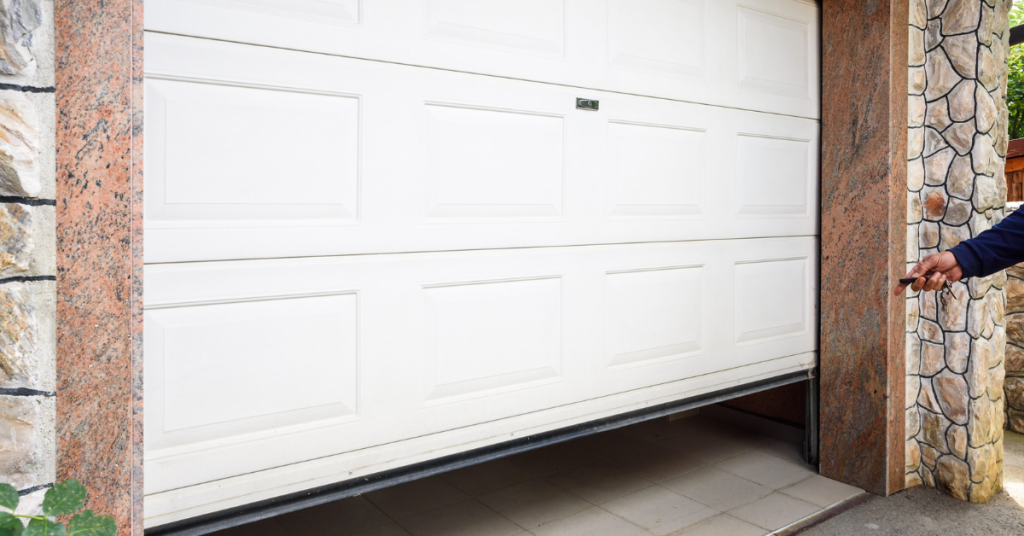
Garage doors take up a large portion of the front of most homes. On a single-storey house, the garage door can account for nearly a third of the street-facing wall. That means it has a massive impact on curb appeal. An old, dented, or faded door drags down the look of the entire property, no matter how nice the rest of the house is.
Beyond looks, a solid garage door adds security. A flimsy or broken door is an open invitation to opportunistic criminals. In South Africa, where property crime remains a concern in many areas, having a strong, well-maintained garage door is not a luxury. It is a basic safety measure.
There is the practical side too. A properly working door keeps rain, dust, and wind out of the garage. If the garage is attached to the house, that means less moisture and dirt getting inside the home itself.
The Main Types of Garage Doors
Wooden Options
Wooden Garage doors have been around for decades and remain a popular choice in South Africa. They look warm, natural, and classic. A well-crafted wooden door can give a home a high-end feel without looking overdone.
The downside is maintenance. Wood needs to be sealed or varnished regularly to protect it from the sun, rain, and insects. In coastal areas, the salt air can speed up wear and tear. If the door is not looked after, the wood will crack, warp, or start to rot over time. For homeowners who are happy to put in the upkeep, a wooden door is hard to beat on appearance. For those who want something lower maintenance, other materials are worth considering.
Aluminium Options
Aluminium Garage doors are becoming more and more common, and for good reason. They are lightweight, rust-resistant, and need very little upkeep compared to wood. They come in a wide range of colours and finishes, including options that mimic the look of real wood without the maintenance hassle.
Aluminium is a good fit for modern-style homes and works well in all climates. It handles coastal salt air much better than wood or steel. The lighter weight puts less strain on the motor and the tracks, which means fewer mechanical problems down the line. For anyone looking for a long-lasting, low-fuss option, aluminium is a strong contender.
Steel Options
Steel doors are tough, affordable, and available in many styles. They offer good security and can be insulated for better temperature control. The main thing to watch out for is rust. In humid or coastal areas, steel doors need a protective coating to keep corrosion at bay. Dents can be an issue too, as steel is harder to repair than wood or aluminium once it has been knocked.
What to Look For When Shopping
If you are browsing garage doors for sale, there are a few things to keep in mind before pulling out your wallet.
Size is the obvious starting point. Measure the opening carefully, and do not forget to check the headroom above the opening and the space on either side. Different door systems need different amounts of clearance, and getting this wrong can cause real problems during fitting.
Material is next. Think about the climate you live in, how much maintenance you are willing to do, and how the door will look against the rest of the house. A beautiful wooden door on a modern, flat-roofed home might look out of place, just as a sleek aluminium door on a traditional Cape Dutch house could feel wrong.
Insulation matters if the garage is attached to the house or if you use it as a workspace. An insulated door keeps heat in during winter and out during summer, which can cut energy costs noticeably.
Motor type is another consideration. An automated door is far more convenient than a manual one, but the motor needs to be strong enough for the weight and size of the door. A motor that is too weak will burn out quickly. A motor that is too powerful can damage the door mechanism over time.
Getting the Installation Done Right
Buying a great door is only half the job. A badly fitted door will cause endless problems, no matter how good the product itself is. Tracks that are not level will make the door jam. Incorrect spring tension can cause the door to slam shut or refuse to stay open. Poor wiring on the motor can create electrical faults or even a fire risk.
This is why garage door installation should always be handled by someone who knows what they are doing. A proper installation includes levelling the tracks, setting the correct spring tension, wiring the motor safely, and testing the safety features like auto-reverse sensors. Cutting corners here costs more in the long run.
Keeping Things Running Smoothly
Like any mechanical system, a garage door needs regular attention. The springs, cables, rollers, and tracks all wear out over time. Catching small problems early prevents bigger, more expensive breakdowns later.
A few simple habits go a long way. Lubricate the moving parts every few months. Listen for unusual sounds like grinding or squeaking. Check the tracks for dirt build-up or misalignment. Test the auto-reverse function by placing a block of wood under the door. If the door does not reverse when it touches the block, the sensor needs adjusting.
When something does go wrong, do not try to fix it yourself if you are not completely sure what you are dealing with. The springs on a garage door are under extreme tension and can cause serious injury if mishandled. Garage door repairs should be left to trained technicians who have the right tools and experience. A quick repair done right is always cheaper than a bodged fix that leads to a bigger problem.
When Is It Time to Replace?
Sometimes repairs are not enough. If the door panels are badly damaged, the springs keep breaking, or the mechanism has been patched together too many times, a full replacement is the smarter move. A new door will work better, look better, and add value to the property.
Replacing a garage door is not a small purchase, but it is one that pays for itself over time through improved security, lower maintenance costs, and a bump in property value. Most real estate professionals agree that a new garage door is one of the best return-on-investment upgrades a homeowner can make.
The bottom line is simple. Take the time to choose the right door, get it fitted properly, and look after it once it is up. Do those three things and a garage door will serve the home well for years without any major issues.