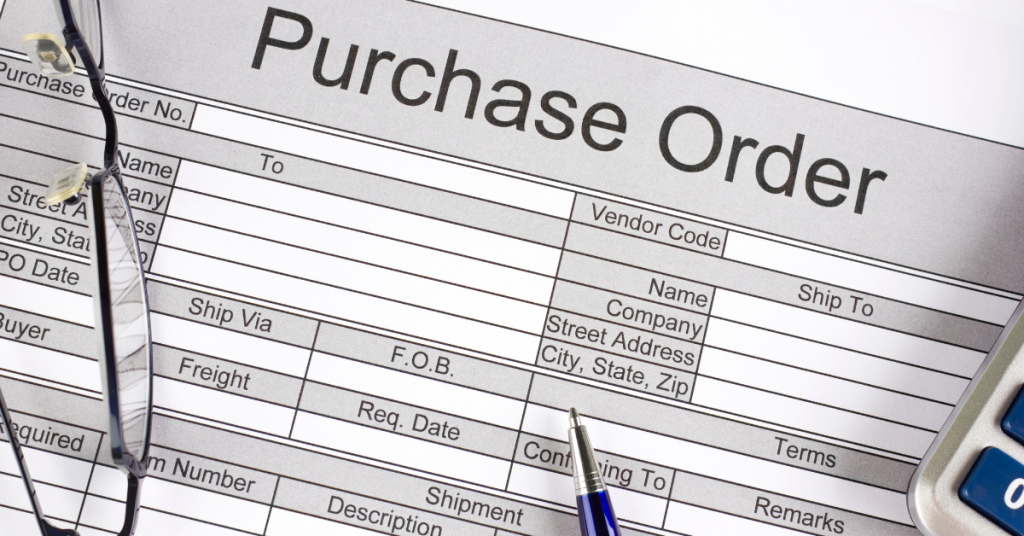
Running a small business comes with one tricky problem that hits owners again and again. A big order lands. The customer is ready to buy. But the cash to pay suppliers isn’t there yet. This is where Purchase Order Funding steps in as a workable answer.
This article looks at how it works, who it suits, and what to think about before signing up.
What Purchase Order Funding Actually Does
In plain words, this type of finance pays your supplier on your behalf. You get a confirmed order from a paying customer. A funder steps in and covers the cost of buying or making the goods. Once the goods ship and the customer pays, the funder takes back what they put in plus a fee. The rest is yours.
It’s not a loan against your house or your car. The order itself is what backs the deal. That makes it different from most short-term finance options sitting on bank shelves.
Who Tends to Use It
Wholesalers, manufacturers, importers, and product suppliers all use this kind of finance. Anyone who buys stock or raw materials and then sells finished goods can fit the model. Service businesses don’t usually qualify, since there’s no physical product moving from supplier to buyer.
A Step by Step Look at How It Works
The process tends to follow a clear pattern. The customer sends you a confirmed purchase order. You bring that order to a funder and ask for help. The funder checks the customer’s credit and the size of the order. Once approved, the funder pays your supplier directly. The goods then get made and shipped to your customer. After delivery, the customer pays the funder, or pays you, who then pays the funder. At the end of the cycle the funder takes their fee and sends you the rest. The whole thing can take days rather than weeks once the paperwork is sorted.
Why Small Business Owners Find This Useful
Purchase Order Funding For Small Business makes sense when growth is being held back by cash flow problems. Small business owners often turn down big orders out of fear they can’t pay suppliers in time. That’s lost income sitting on the table.
With this kind of finance, the small firm gets to say yes to bigger deals. Confidence grows. Customers see the supplier as reliable. New orders follow.
Real World Example
Think of a small clothing supplier. A big retailer places an order worth R500,000. The clothing supplier needs R250,000 to pay the fabric mill and the factory. Cash on hand sits at R80,000. Without help, the order falls flat. With order finance, the mill and factory get paid, the goods get made, and the retailer pays in full. The supplier walks away with profit minus the funder’s fee.
That’s the kind of story that plays out every week in trade.
Comparing Options Side by Side
Some owners ask if this works the same as invoice finance. The two are close but not the same. Invoice finance kicks in after the goods have shipped and an invoice exists. Order finance kicks in before, at the stage where supplier costs need paying.
Bank overdrafts are another option people think of. Banks tend to want long trading history, audited books, and security. Purchase Order Funding Companies look more at the strength of the order itself and the customer paying for it.
What to Look for in a Funder
A few things matter when picking who to work with. Speed of approval is the first one, since a slow yes is sometimes worse than a quick no. The fee structure matters too, because flat fees versus percentage fees can change the maths in a real way. Sector knowledge is worth checking, since a funder who knows your industry asks better questions and tends to spot problems early. Look at how thorough they are with customer credit checks, because funders care about who is paying you, not just about you. Deal limits also vary, with some funders capping deal sizes while others go much bigger.
Ask plenty of questions before signing. A funder who can’t give clear answers about costs is one to walk away from.
The South African Angle
Purchase Order Funding South Africa has grown into a proper option for SMEs across the country. Local trade is full of small firms supplying bigger ones, government tenders, retail chains, mines, and exporters. All of these need stock or goods paid for upfront. Banks have stayed cautious with smaller firms, which has opened the door for funders who get the SME world.
Owners working with international suppliers face extra pressure. Foreign suppliers often want money before shipping. Order finance makes that easier to manage without draining the business bank account.
Costs to Keep an Eye On
Fees vary from one funder to the next. Common pricing sits between 2% and 6% of the order value per month. The longer the customer takes to pay, the more the deal costs. So short trade cycles work best.
Owners also need to watch out for other costs that sometimes get added in. Setup fees on the first deal are common. Admin charges per transaction can pile up if there are lots of small shipments. Foreign exchange costs come into play when suppliers sit overseas. Run the numbers properly before saying yes. A deal that looks great on paper can shrink fast once finance costs come out.
Common Mistakes Owners Make
A few things trip up first-time users. The biggest one is thinking the finance covers everything, when in truth it only covers supplier costs and not running costs like rent or salaries. Forgetting customer payment terms is another, since a customer who pays in 90 days drives the fee up week by week. Picking a funder on price alone is a trap, because service and speed often matter more than saving half a percent. Hiding bad news from a funder never works, since they find out anyway, and honesty keeps the door open for the next deal.
Final Thoughts
Order finance has helped many small firms turn one good order into steady growth. It’s not free money. It’s not a fix for businesses with weak customers or shaky orders. But for owners with a real order from a real buyer and no cash to pay the supplier, it solves the problem that holds back so many small firms.
Owners thinking about this kind of finance should sit down, do the maths, ask questions, and pick a funder who treats the deal like a long-term tie-up rather than a once-off transaction.