Getting products off the line and into the hands of customers sounds simple enough. But anyone who has worked in manufacturing or food processing knows that the step between “finished product” and “shipped product” is where things can fall apart fast. That step is packaging and the machines handling it matter more than most people think.
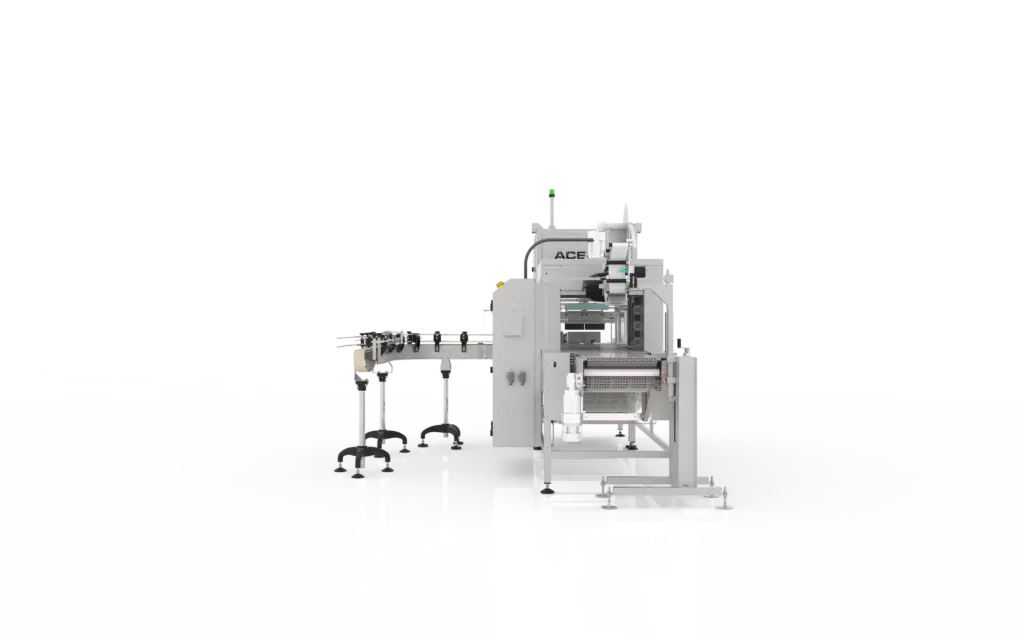
Why Packaging Matters More Than You Think
Think about a bag of chips that arrives crushed, or a bottle of sauce that leaks during shipping. The product itself might be fine, but bad packaging ruins the experience. Customers don’t come back after that. And it’s not just about looks packaging protects goods from damage, moisture, contamination, and rough handling during transport.
For businesses producing large quantities, doing this by hand is simply not realistic. That’s where Packaging Machines come in. They handle sealing, filling, labelling, wrapping, and dozens of other tasks at speeds no human team can match. When you have a machine doing the work, you get consistent results every single time, without the fatigue and mistakes that come with manual labour.
Different Types of Equipment for Different Jobs
Not all products are packaged the same way, and not all machines do the same thing. A company bottling juice needs different equipment from one that packs biscuits into boxes. Here’s a quick look at some of the common types of Packaging Machinery you’ll see in factories and warehouses.
Filling machines handle liquids, powders, and granules. They measure out exact amounts and pour them into containers, bags, or pouches. Accuracy here is critical too little product and the customer feels cheated, too much and the company loses money on every unit.
Sealing machines close up bags, pouches, and containers once they’ve been filled. Heat sealers are common for plastic packaging, while other sealers work with foil, paper, or even metal.
Wrapping machines cover products in shrink wrap, stretch film, or other materials. This is common for pallets of goods heading to warehouses, or for bundling multiple items together as a single unit.
Labelling machines stick labels onto bottles, boxes, and containers with precision. Labels need to be straight, properly aligned, and in the right spot every time. A crooked label on a product might seem minor, but it signals poor quality to the buyer.
Case packers and cartoning machines load individual products into boxes or cartons, fold them shut, and seal them for shipping. These are the workhorses at the end of many production lines.
What to Look for When Buying
Buying equipment for your production line is a big decision. It’s not something to rush. The wrong choice means downtime, wasted materials, and frustrated staff. Here are some things worth thinking about before signing any purchase orders.
Speed and output. How many units per minute do you need? A small bakery and a large pharmaceutical company have very different output needs. Make sure the machine you pick can keep up with your production targets not just on paper, but in real-world conditions.
Product compatibility. The machine has to work with your actual product. Liquids behave differently from powders, and fragile items need gentler handling than sturdy ones. A machine built for heavy-duty cartons won’t do you any good if you’re packing delicate glass jars.
Ease of maintenance. Machines break down. That’s just the reality. What separates a good machine from a headache is how easy it is to fix. Look for equipment with accessible parts, clear documentation, and good support from the Packaging Machine Manufacturer who built it. A machine that sits idle for weeks waiting on a spare part costs you money every single day.
Flexibility. Can the machine handle different product sizes? Can it switch between packaging formats without a full retool? If your product line changes and it will you’ll want a machine that can adapt without needing a complete replacement.
Choosing the Right Partner
Finding the right equipment is one thing. Finding the right people to buy it from is another. A good Packaging Machine Supplier doesn’t just sell you a machine and walk away. They help with installation, training, and after-sales service. They answer the phone when something goes wrong at 2 AM on a Tuesday.
A reliable Packing Machine Manufacturer will have a track record you can check. Ask for references. Talk to other businesses who’ve bought from them. Find out how long they’ve been in the industry and whether they have engineers who can come on-site when needed.
It’s also worth asking about customisation. Off-the-shelf equipment works well for standard applications, but many businesses have specific requirements. A Packing Machine Supplier who can modify or build to specification is worth more than one who can only offer what’s already in their catalogue.
Automation Is Not Just for Big Companies
There’s a common assumption that automated packaging equipment is only for large corporations with massive budgets. That’s not the case. Smaller businesses can benefit from automation too, even on a smaller scale. Semi-automatic machines, for example, handle the repetitive tasks while a human operator loads and monitors. This middle ground gives smaller operations better speed and consistency without the price tag of a fully automated line.
The cost of manual errors wasted product, returns, unhappy customers adds up quickly. Even a single semi-automatic sealer or filler can pay for itself within months through savings on labour and reduced waste.
Keeping Your Equipment Running
Buying the right machine is step one. Keeping it running well is step two. Regular maintenance is not optional. Cleaning, lubricating, checking wear parts, and replacing components before they fail keeps your line moving and prevents expensive emergency repairs.
Most manufacturers provide maintenance schedules with their equipment. Following them is one of the simplest ways to protect your investment. Training your staff to spot early warning signs unusual sounds, slower speeds, inconsistent seals can catch problems before they turn into full stoppages.
The Bottom Line
Packaging is one of those things that only gets noticed when it goes wrong. A leaky seal, a crushed box, or a misaligned label can damage a brand’s reputation overnight. Getting the right equipment from the right source, maintaining it properly, and choosing a machine that fits your actual needs these are the things that separate businesses that grow from ones that struggle.
Whether you’re setting up a new line or upgrading an old one, take the time to do it right. Talk to people who have done it before, ask hard questions, and don’t settle for equipment that doesn’t match your operation. Your production line and your customers will thank you for it.