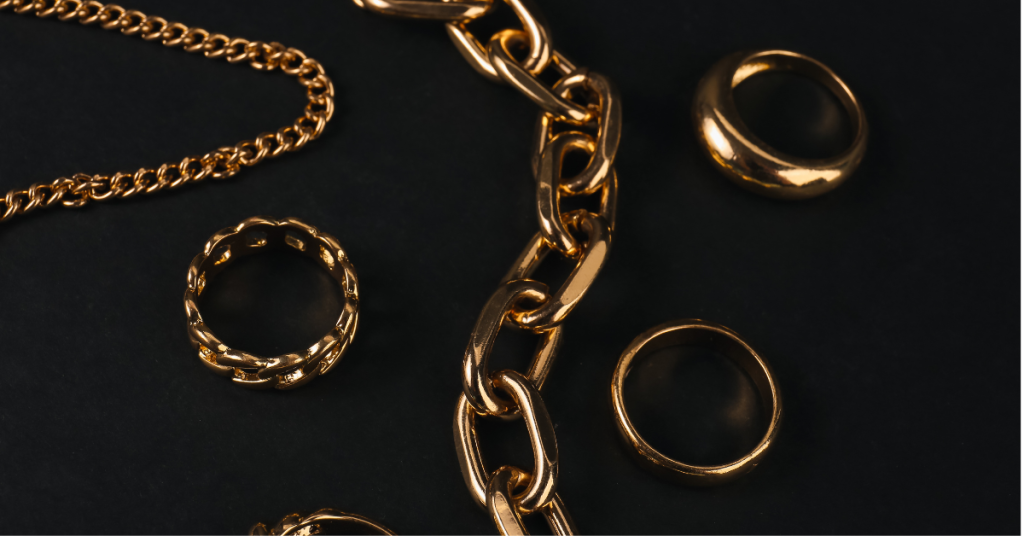
Why People Sell Their Jewellery
Jewellery is personal. It carries memories and meaning. But there are plenty of practical reasons why people decide to part with pieces they no longer wear. A divorce, a move overseas, an unexpected expense, or simply a change in taste can all make selling the right call.
Gold and platinum prices have been strong in recent years, which means old rings, chains, and bracelets could be worth more now than when they were bought. A piece that cost R3,000 fifteen years ago might fetch R8,000 or more at current gold prices. For items sitting in a drawer doing nothing, that is money waiting to be put to better use.
Jewellery buyers in South Africa are used to dealing with all kinds of pieces, from simple gold bands to elaborate diamond-set necklaces. There is a market for almost everything, and the process of selling is simpler than most people expect.
Inherited jewellery is another common reason for selling. When a parent or grandparent passes away, the family often receives a collection of pieces that nobody wears. Styles change over the decades, and what looked fashionable in the 1970s might not suit anyone in the family now. Selling these pieces and splitting the proceeds can be a fair and practical solution.
How the Selling Process Works
The cash for jewellery process starts with a valuation. The buyer examines each piece, checks the metal type and purity, weighs the item, and assesses any gemstones. For gold items, the value is based mainly on the gold content. For pieces with diamonds or other stones, the valuation may include the stones as well, depending on their quality and size.
Anyone wanting to sell gold jewellery should bring along any paperwork that came with the pieces. Certificates for diamonds, original receipts, and valuation documents all help the buyer make a better offer. Without paperwork, the buyer still tests and values the items, but certificates can speed things up and sometimes increase the offer.
The option to sell jewellery is available at most gold dealers and specialist jewellery buyers across the country. Walk-in appointments are common, though some buyers prefer bookings for larger collections. Either way, the process typically takes less than an hour from start to finish.
Diamonds are valued separately from the metal. A buyer will look at the four Cs: carat (size), cut, colour, and clarity. A one-carat diamond with good colour and clarity can add thousands of rands to the offer. Smaller diamonds or those with visible flaws may not add much to the scrap value of the metal, but it is always worth asking.
Platinum jewellery is also worth selling. Platinum is denser and heavier than gold, and it trades at a different price per gram. A platinum ring might look similar in size to a gold one but weigh significantly more. Buyers who deal in precious metals will test for platinum separately and price it accordingly.
Finding a Buyer Near You
Typing “sell jewellery near me” into a search engine will bring up a list of local options. The best results come from comparing at least two or three buyers. Prices can vary by 10% to 20% between different dealers, so a few extra phone calls or visits can make a real difference to the final amount received.
Many dealers advertise with a “we buy jewellery” sign in the window. This is common in shopping centres and high-traffic areas. These shops are convenient, but it is worth checking whether they specialise in jewellery or whether they are a general pawn shop that happens to buy gold on the side. Specialists tend to offer better prices because they have stronger relationships with refiners and wholesalers.
Second hand jewellery buyers come in all shapes and sizes. Some focus purely on the metal value, while others look at the design, brand, and craftsmanship of the piece. A well-known designer piece or a vintage item in good condition may be worth more than its scrap value, so it pays to ask whether the buyer takes these factors into account.
Word of mouth is still one of the best ways to find a good buyer. Ask friends, family, or colleagues if they have sold jewellery before and who they went to. A personal recommendation from someone who had a good experience carries more weight than any advert.
Getting the Best Price
To sell jewellery for cash at the best possible price, there are a few things worth doing beforehand. Clean the pieces gently with warm soapy water and a soft cloth. Presentation matters, and a clean item looks more appealing during the valuation.
Separate items by metal type if possible. Gold, silver, and platinum should be kept apart. If any pieces have hallmarks or stamps, point these out to the buyer. Knowing the karat of each item saves time and shows the buyer that the seller has done their homework.
Timing can play a role too. Gold prices fluctuate daily, so selling when the price is on an upswing can add a few hundred rands to the total. Keeping an eye on the gold price for a week or two before selling gives a feel for whether the market is moving up or down.
It is also worth considering whether any pieces have sentimental value that might be hard to replace. Once a piece is sold, it is gone. For items with no emotional attachment, selling is an easy decision. For family heirlooms or gifts from loved ones, it might be worth thinking twice. But for unworn pieces gathering dust, turning them into cash is a practical choice that makes good financial sense.
Avoid getting pieces valued at a jewellery shop that also sells new stock. Their incentive is to buy low so they can resell at a markup. A dedicated gold buyer or precious metals dealer typically offers a better price because they are working on thinner margins and higher volumes. Getting three quotes and going with the best one is the simplest way to make sure the price is fair.