For anyone who’s been losing hair for some time, there comes a point where creams, shampoos, and home remedies stop cutting it. That’s usually when people start thinking seriously about a hair transplant. It’s a big decision, and there’s a lot of confusing information out there about what the process involves, how much it costs, and what the results actually look like.
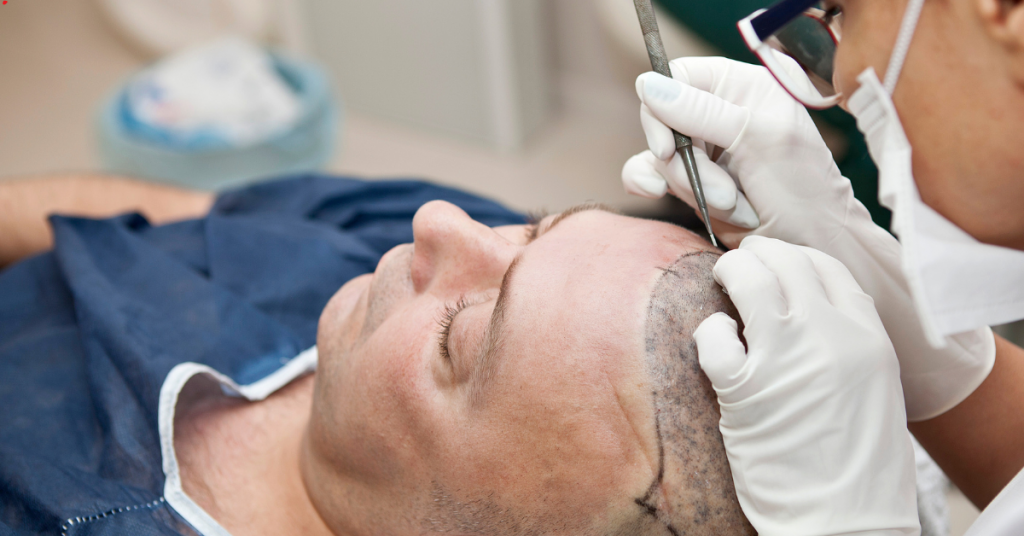
This article breaks down the basics in plain terms so you can make a more informed choice about whether it’s right for you.
How Hair Transplants Work
Hair transplants are surgical procedures where hair follicles are moved from one part of the body usually the back or sides of the head to an area that’s thinning or bald. The back and sides tend to be resistant to the hormones that cause hair loss, so the transplanted hairs keep growing in their new location.
There are two main methods used:
FUE (Follicular Unit Extraction) involves removing individual hair follicles one by one using a tiny punch tool. It leaves very small dot-like scars that are almost invisible once the hair grows in. Most people prefer FUE for this reason.
FUT (Follicular Unit Transplantation) involves cutting a thin strip of skin from the back of the scalp and then separating the follicles from that strip. This method can transplant more grafts in a single session, but it does leave a linear scar that’s visible if you wear your hair very short.
Both approaches are done under local anaesthesia. You’re awake the whole time, and the procedure can take anywhere from four to eight hours depending on how many grafts are being placed.
Are Hair Implants the Same Thing?
The short answer is yes hair implants is just another name people use when talking about hair transplant surgery. The term “implants” can sometimes cause confusion with synthetic hair fibres that are inserted into the scalp, which is a different and less common procedure.
When most people talk about hair implants, they’re referring to the standard FUE or FUT methods where real hair is moved from one area to another. It’s worth clarifying this with your clinic during your first consultation to confirm you’re both talking about the same thing.
Who Makes a Good Candidate?
Not everyone is a good fit for this type of procedure. A surgeon will look at a few things during the consultation:
Donor area quality. You need enough healthy hair at the back and sides to provide grafts. If that area is thin too, there may not be enough to work with.
Type of hair loss. People with pattern baldness (where the hair loss follows a predictable shape) tend to get the best results. Those with conditions like alopecia areata, where hair loss is patchy and unpredictable, may not be ideal candidates.
Age. Younger patients say in their early twenties are sometimes advised to wait. Hair loss can continue to progress, and having surgery too early may mean additional procedures down the line.
Overall health. Like any surgical procedure, being in reasonable health matters. Smokers are typically asked to quit beforehand, and anyone on blood-thinning medication will need to discuss this with the surgeon.
What Does Recovery Look Like?
The first few days after the procedure are the most sensitive. The transplanted area will have tiny scabs and might look red and swollen. Most clinics provide a detailed set of aftercare instructions, and following them closely makes a big difference to the final outcome.
For the first week, sleeping with your head elevated helps reduce swelling. Washing needs to be gentle usually with a special shampoo provided by the clinic. Physical activity should be kept light for at least two weeks. No gym, no swimming, and no direct sun exposure on the scalp.
Around two to three weeks after the surgery, the transplanted hairs will fall out. This is completely normal and expected. It’s called “shock loss,” and it happens with nearly every patient. The follicles are still alive under the skin the shedding is just part of the growth process.
New growth typically starts to appear around three to four months post-surgery. By the six-month mark, there’s usually a noticeable difference. Full results take about 12 to 18 months to show, so patience is part of the process.
How Much Does Hair Replacement Surgery Cost?
Hair replacement surgery costs vary widely. Pricing depends on the number of grafts needed, the technique used, and the clinic’s location and reputation.
In South Africa, pricing is typically more accessible compared to clinics in the UK, US, or Europe. This has made the country a popular destination for people travelling just for this procedure.
Be cautious of clinics that offer prices that seem too good to be true. Cutting corners on something like this isn’t worth the risk. Poorly done transplants can leave unnatural-looking hairlines, visible scarring, or patchy results that need corrective work later.
When comparing quotes, check that you’re looking at the full picture: pre-op consultations, the procedure itself, anaesthesia, aftercare products, and follow-up visits. Some clinics include everything in one price, and others charge separately.
Questions Worth Asking During Your Consultation
Going in with the right questions helps you feel more confident about your choice. Here are a few worth asking:
How many grafts will this need? What method do you suggest and why? Can you show before-and-after photos of similar cases? What does your aftercare programme look like? How many of these procedures has the surgeon performed?
A good surgeon will answer these openly and without pressure. If a clinic rushes you into booking or makes promises that sound unrealistic, it’s worth getting a second opinion.
Setting Realistic Expectations
A transplant won’t give you the same head of hair you had at eighteen. What it can do is fill in thin or bald areas with real, growing hair that looks natural and blends in with the rest.
The best results come from working with an experienced surgeon who understands facial proportions and hairline design. A well-designed hairline makes all the difference it should follow the natural shape of the face and look like it belongs there, not like it was drawn on with a ruler.
Talking to real patients who’ve had the procedure done at your chosen clinic is one of the best ways to gauge what the experience is really like. Most reputable clinics will happily connect you with past patients who are willing to share their stories.