Losing hair is one of those things that nobody talks about until it happens to them. It can start small a few extra strands on the pillow, a slightly wider parting, or a receding front. For millions of South Africans, hair loss is a daily reality that affects confidence, self-image, and even how they show up in social settings.
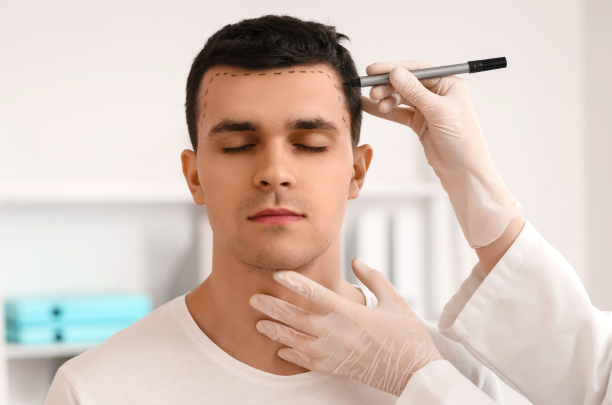
The good news is that there are more options available now than ever before. From seeing a trichologist to getting a hair transplant, people no longer have to simply accept thinning hair as something they can’t change.
Why Hair Falls Out in the First Place
Hair goes through natural growth phases. At any given time, some hairs are growing, some are resting, and some are falling out. That’s normal. Most people lose around 50 to 100 hairs a day without noticing anything different.
The problem starts when more hair falls out than grows back in. This can happen for a number of reasons. Genetics is the most common one if your parents or grandparents had thinning hair, there’s a strong chance you will too. Hormonal shifts, stress, poor nutrition, and certain medications can all speed things up.
For women, hair thinning is more common after menopause or during pregnancy. For men, it often shows up as a receding hairline or bald patch at the crown. Both situations are frustrating, and both can be addressed with the right approach.
Understanding Alopecia
Alopecia is the medical term for hair loss. There are several types, and each one behaves differently.
Androgenetic alopecia is the most common type. It’s what most people call male or female pattern baldness. It happens gradually over time and tends to run in families.
Alopecia areata is an autoimmune condition where the body attacks its own hair follicles. This leads to patchy bald spots that can appear on the scalp or other parts of the body. It can come and go, and it sometimes resolves on its own but it can stick around for years.
Traction alopecia is caused by hairstyles that pull on the hair too tightly. Braids, weaves, and tight ponytails are common culprits. If caught early, switching up your hairstyle can stop the damage. If left too long, it can become permanent.
Getting an accurate diagnosis matters. Without one, people often waste time and money on products that don’t work. That’s why speaking to a qualified hair specialist is a smart first step.
What Does a Trichologist Do?
A lot of people have never heard of a trichologist. Put simply, a trichologist is a trained professional who focuses on scalp and hair conditions. They look at things like the health of your scalp, the condition of your hair follicles, and any underlying issues that might be causing problems.
If you’ve been searching for a trichologist near me, you’re already on the right track. A trichologist can run tests, examine your scalp under magnification, and figure out what’s going on before any treatment starts.
This is different from a dermatologist, who deals with skin conditions broadly. Trichologists are more focused. Their entire training centres around hair and scalp health.
When Should You See a Hair Doctor?
There’s no hard rule about when to visit a hair doctor, but sooner is better than later. The longer hair loss goes untreated, the harder it becomes to reverse.
Some signs that it’s time to book a consultation: noticeable thinning at the front or top of the head, bald patches appearing suddenly, excessive shedding when brushing or washing, or a scalp that feels itchy, flaky, or sore.
Many hair doctors will do a full assessment during the first visit. They’ll ask about your medical history, your diet, your stress levels, and any medications you take. From there, they can put together a plan that makes sense for your situation.
Treatment Options That Actually Work
Not every treatment suits every person. What works for one type of hair loss might do nothing for another. That’s why a proper diagnosis is so important.
Alopecia treatment options range from topical solutions like minoxidil to prescription medications like finasteride. Both of these have been studied for decades, and the evidence backing them is solid.
For people with more advanced thinning, medical hair restoration is worth looking into. This covers a range of procedures that go past what creams and pills can do. PRP (platelet-rich plasma) therapy, for example, uses the patient’s own blood to stimulate hair growth. It involves drawing a small amount of blood, processing it, and injecting the concentrated plasma into the scalp.
Low-level laser therapy is another option. It uses light energy to stimulate follicles and encourage regrowth. It’s painless and can be done at a clinic or at home with a specialised device.
If you’re dealing with a receding hairline, hairline repair procedures can reshape and fill in the front of the scalp. These are often done using follicular unit extraction (FUE), where individual hairs are taken from one part of the head and placed where they’re needed.
Different alopecia treatments suit different stages of loss. Early-stage thinning might respond well to medication alone, and more progressed cases may require a surgical approach.
What to Look for in a Hair Clinic
With so many clinics out there, choosing the right one can feel overwhelming. A good hair clinic will have qualified professionals on staff not just salespeople pushing expensive packages.
Look for hair clinics that offer a proper consultation before recommending anything. If a clinic jumps straight to selling a treatment without examining your scalp or asking questions, that’s a red flag.
If you’ve been googling “hair clinic near me,” take the time to read reviews, check qualifications, and ask for before-and-after photos of real patients. A reputable hair loss clinic will be happy to share this information.
Hair Restoration: More Than Just Transplants
When people hear the term hair restoration, they often think of surgery right away. But restoration includes a wide range of treatments, from non-invasive therapies to surgical procedures.
Hair loss treatment plans are most effective when they combine different approaches. A patient might start with medication, move on to PRP, and then consider surgical options if needed. The best results come from working with hair specialists who understand how all these options fit together.
Many people don’t realise how far hair loss treatments have come. Ten years ago, the options were limited. Now, there are proven methods that can slow, stop, and even reverse thinning in many cases.
Taking the First Step
Dealing with hair loss is not something anyone should have to figure out alone. Whether you’re noticing the first signs of thinning or you’ve been struggling with it for years, getting a professional opinion makes a real difference.
A quick consultation with a hair specialist can save you from wasting money on products that don’t work. It gives you a clear picture of what’s happening and what your options are.
The only thing that doesn’t help is waiting. If your hair is changing in ways you don’t like, reach out to a qualified professional and find out what can be done about it.