Not everything needs to be brand new. That idea applies to cars, houses, furniture and it very much applies to jewelry. A growing number of buyers are moving away from brand-new pieces and looking at older, previously owned options instead. And for good reason.
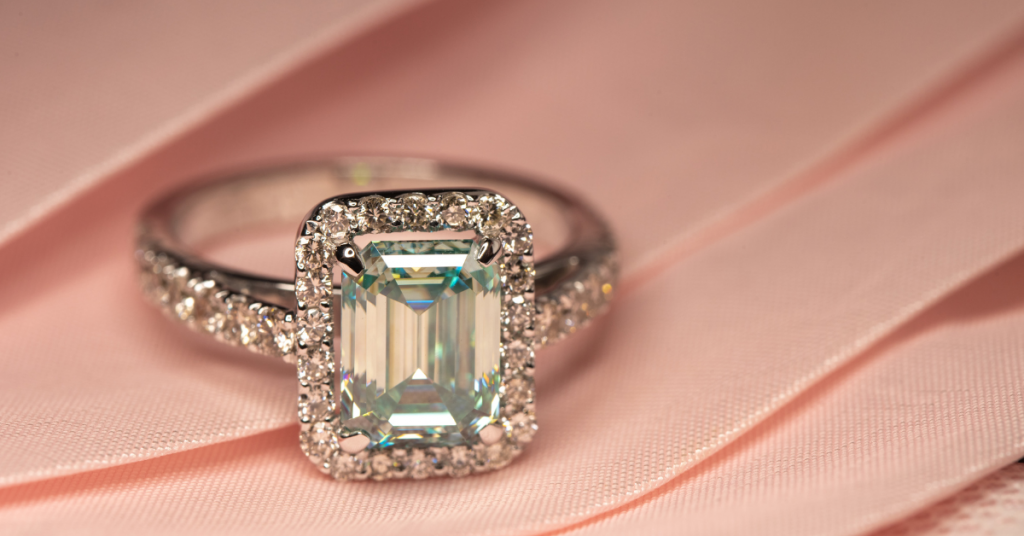
What Makes Older Jewelry Different
When someone talks about estate jewelry, they’re referring to pieces that were owned by someone before. It could be a ring from the 1990s or a brooch from the 1940s. The term covers a wide range of time periods and styles, and it simply means the piece has had a previous owner.
Pre-owned jewelry is a broader term that includes anything second-hand, no matter the age. It could be a bracelet bought last year that someone decided to part with, or a necklace passed down through three generations.
Then there’s vintage jewelry, which usually refers to pieces that are at least 20 to 30 years old. These are the ones that carry a certain look and feel from the time they were made. The metalwork, stone cuts, and design details often tell you which era a piece comes from without needing a history lesson.
The Quality Difference Is Real
One thing that surprises many first-time buyers is the quality of older pieces. Gold and silver were often used more generously in decades past. Rings were heavier. Chains were thicker. And the stones were cut by hand in many cases, giving them a character that machine-cut stones just don’t have.
A lot of modern jewelry is mass-produced and made to hit a price point. That means thinner bands, lighter settings, and sometimes lower-grade materials dressed up to look more expensive than they are. Older jewelry doesn’t always play that game. Many pieces from the mid-20th century, for example, were built to last a lifetime and they did.
That doesn’t mean every old ring is better than every new one. But when you compare similar price ranges, the older piece often gives you more metal, better craftsmanship, and a more interesting design.
Why the Price Tag Often Makes More Sense
New jewelry carries a markup that covers manufacturing, branding, marketing, and retail margins. The moment it leaves the store, it loses a big chunk of that value not unlike driving a new car off the lot.
Pre-owned pieces skip most of that. The original buyer already absorbed the retail markup, so the second buyer gets the same quality at a lower price. It’s not unusual to find a solid gold ring with a genuine stone for 30% to 50% less than what a similar new piece would cost.
For anyone on a budget or anyone who just doesn’t like overpaying that’s a hard deal to walk away from.
Style That Stands Out
Walk into any modern jewelry shop and the pieces tend to look the same. Clean lines, minimal settings, and a lot of white gold or platinum. Nothing wrong with that, but it does mean a lot of people end up wearing the same thing.
Older pieces break that pattern. A ring from the 1960s has a completely different look than something designed last year. The shapes are bolder, the patterns more detailed, and the overall feel is just different.
People who want something that doesn’t look like everyone else’s go-to choice tend to end up shopping in the pre-owned market. It’s one of the few places where you can find truly one-of-a-kind pieces at normal prices.
How to Shop Smart
There are a few things to keep in mind when buying older jewelry.
First, ask about the materials. A trustworthy seller should be able to tell you the metal type, karat, and whether any stones are genuine or synthetic. If they can’t answer those basic questions, move on.
Second, check the condition. Minor scratches and wear are normal on older pieces, but look for bent prongs, loose stones, or broken clasps. Small repairs are simple and affordable, but major structural damage can cost more to fix than the piece is worth.
Third, ask for any paperwork that comes with the item. Some pre-owned pieces come with original appraisals, certificates, or receipts. That kind of documentation adds confidence and can be useful for insurance purposes down the line.
Fourth, trust your instincts. If a deal seems too good to be true, it probably is. And if a piece doesn’t feel right whether it’s the fit, the look, or just a gut feeling don’t force it. There will be other options.
The Environmental Side of Things
There’s another angle worth mentioning. Buying pre-owned jewelry means no new mining was needed to produce that piece. No new gold had to be pulled out of the ground. No new stones had to be extracted. The environmental cost was already paid years ago.
For people who care about reducing their footprint, shopping for older jewelry is one of the easiest ways to make a difference without giving up quality or style. It’s practical, not preachy and the result is the same.
When It Makes Sense to Buy New vs. Pre-Owned
There are times when buying new is the right call. Custom pieces designed for a specific person, matching sets for a bridal party, or pieces with sentimental meaning tied to the buying experience all have their place.
But for everyday jewelry, gifts, self-purchases, or anyone looking for something with character and a fair price, the pre-owned market is worth a serious look. The selection is broader, the prices are better, and the quality often matches or beats what’s on offer in retail stores.
At the end of the day, jewelry is about what it looks like on you not whether it came in a shiny new box. And more people are starting to see it that way.