Getting the right packaging setup can make or break how efficiently a production line runs. Whether it is a small food business sealing bags of spice or a large manufacturer wrapping thousands of units a day, the equipment used to package products has a direct effect on speed, cost, and product quality.
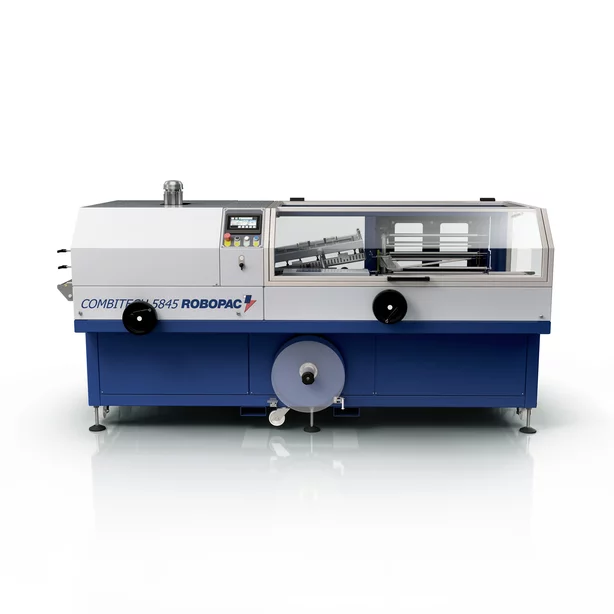
This article breaks down what businesses need to know about packaging equipment, what to look for when choosing it, and why picking the right packaging machine manufacturer matters more than most people think.
Why Packaging Equipment Is Worth Getting Right
Bad packaging costs money. It is that simple.
A product that arrives damaged, poorly sealed, or inconsistently packaged creates returns, complaints, and lost customers. At scale, even a small percentage of defective packages adds up to a significant loss. The machine doing the packing is often the last line of defence before a product leaves the facility.
Getting the right packaging machines in place means fewer errors, faster throughput, and a more consistent end product. It also reduces the pressure on staff, who no longer need to manually pack products that a machine can handle in a fraction of the time.
The Different Types of Packaging Equipment
Packaging machinery covers a wide range of equipment. Some of the most common types include:
Form-fill-seal machines — These machines take flat film, form it into a bag shape, fill it with product, and seal it shut. They are widely used for snacks, coffee, frozen goods, and anything that needs to be sealed in a flexible pouch.
Vertical form-fill-seal (VFFS) machines — A specific type of form-fill-seal that works vertically. Product drops from above into the forming tube. Chips, granules, powder, and small solid items are commonly packed this way.
Horizontal flow wrap machines — These wrap products in a horizontal motion, commonly used for baked goods, confectionery, fresh produce, and other items that need to be wrapped individually.
Filling machines — Used to fill containers, bottles, or pouches with liquids, pastes, granules, or powders. Filling accuracy directly affects product weight consistency and regulatory compliance.
Labelling and coding machines — These apply labels, batch codes, expiry dates, and barcodes to finished packages. Getting coding right is non-negotiable in industries like food and pharmaceuticals.
Each machine type serves a specific purpose, and most production lines need more than one type to complete the full packaging process.
Buying New vs. Buying Used
This is a question most businesses face at some point. New machines come with warranties, support, and the latest technology. Used machines cost less upfront but may come with hidden maintenance costs and shorter lifespans.
When buying used, it is worth asking how old the machine is, what the service history looks like, and whether spare parts are still available. A machine that is no longer supported by its original manufacturer can become very expensive to maintain.
When buying new from a reputable packaging machine supplier, businesses get the benefit of proper installation, staff training, and ongoing technical support. For high-volume operations, that support relationship is worth more than the initial cost saving from buying used.
What to Look for in a Supplier or Manufacturer
Not all equipment suppliers are the same. Choosing the right packing machine manufacturer is about more than just finding the lowest price. A few things to think about:
After-sales support — Machines break down. The question is not if, but when. A supplier that can send a technician quickly or supply spare parts without a long wait is worth its weight in gold when a production line is stopped.
Local vs. imported equipment — Locally manufactured or locally supported equipment is often easier to service. Imported machines can be excellent quality, but if parts need to come from overseas, downtime can stretch from days into weeks.
Machine compatibility — If a business already has a production line, new equipment needs to fit in. Speed, dimensions, and interface compatibility all matter. A good packing machine supplier will assess the existing setup before making recommendations.
Customisation options — Standard machines do not always fit every product. A product with an unusual shape, weight, or shelf-life requirement might need a modified solution. Suppliers who offer customisation can be a major advantage.
Running Costs Are Just as Important as Purchase Price
The sticker price of a machine is only the beginning. Running costs — including electricity consumption, maintenance, packaging materials, and labour — add up over time and should be factored into any buying decision.
High-speed machines tend to be more expensive upfront but produce a lower cost-per-unit at volume. For a business packing 500 units a day, a slower, cheaper machine might be fine. For a business targeting 10,000 units a day, spending more on a faster, more reliable machine pays off quickly.
Maintenance costs are often underestimated. Machines with simple designs and widely available parts cost less to maintain. Overly complex machines with proprietary components can become very costly to keep running.
Industry-Specific Considerations
Different industries have very different requirements when it comes to packaging.
Food and beverage — Hygiene standards are strict. Machines need to be easy to clean, made from food-safe materials, and capable of handling the specific product type, whether that is wet, dry, sticky, or fragile.
Pharmaceuticals — Accuracy and traceability are non-negotiable. Packaging errors in pharma can have serious consequences. Equipment in this sector is often subject to strict regulatory standards.
Retail and e-commerce — Presentation matters. Packaging needs to look good, be protective enough for transit, and be produced consistently at speed.
Industrial and agricultural — Durability and volume are the priority. Bags of cement, fertiliser, or animal feed need to be packed fast and sealed securely.
A good packaging equipment supplier will understand the specific demands of the industry a business operates in and recommend equipment that fits those needs.
Getting the Most Out of Your Equipment
Once the right equipment is in place, getting the most out of it comes down to proper training, regular maintenance, and using the right packaging materials. Many businesses invest in good machines and then use poor-quality film or bags that cause constant jams or seal failures. The equipment and the consumables need to work together.
Staff who understand how to operate and do basic maintenance on a machine will get far more out of it than those who rely entirely on external technicians for every small issue.
Packaging is not a glamorous part of a business, but it is one of the parts that affects almost everything else. Getting it right from the start saves time, money, and a lot of frustration down the line.