Thinning hair and significant hair loss can affect confidence in ways that are hard to explain to someone who has not experienced it. The way a person sees themselves changes. Simple things a photo, a mirror in a certain light, the wind become sources of anxiety. For many people, getting to a point where they are considering surgical options has involved years of trying other treatments first.
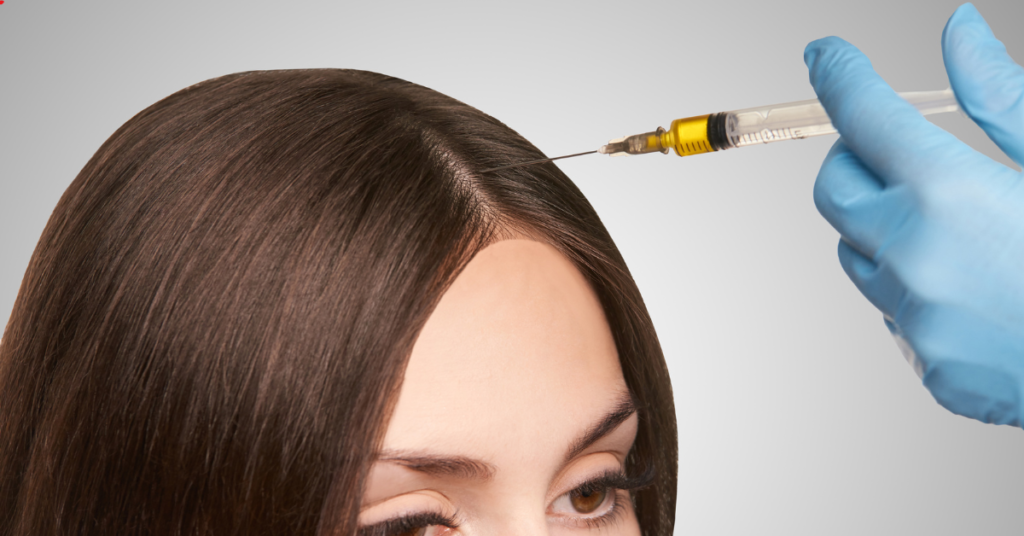
Hair transplants have become the most widely performed surgical solution for permanent hair loss, and the results achievable with modern techniques are far better than what was possible even fifteen years ago. This article covers what the different surgical options involve, what to expect from the process, who makes a good candidate, and what questions to ask before committing to anything.
The Difference Between a Hair Transplant, Hair Implants, and Hair Replacement Surgery
These terms get used loosely in conversation and in advertising, and it creates confusion. Knowing what each one actually refers to helps when researching options and talking to practitioners.
A hair transplant is a surgical procedure where hair follicles are taken from one part of the scalp the donor area, usually the back and sides and transplanted to areas where hair has thinned or stopped growing. The follicles used are your own hair, which means the transplanted hair is permanent and grows naturally after the procedure.
Hair transplants are the broader category, covering several specific techniques. The two most common are FUE (follicular unit extraction) and FUT (follicular unit transplantation). FUE involves removing individual follicular units one by one using a small punch tool, leaving tiny circular scars that are virtually invisible. FUT involves removing a strip of scalp from the donor area, which is then divided into individual grafts. FUT allows for a larger number of grafts in a single session but leaves a linear scar.
Hair implants is a term often used interchangeably with hair transplants, though strictly speaking it can also refer to synthetic hair fibre implants artificial fibres attached directly to the scalp. Synthetic implants are not the same as transplanting your own follicles and carry a higher risk of infection and rejection. When most practitioners talk about hair implants in the context of surgical restoration, they typically mean the transplanting of natural follicles using FUE or FUT techniques.
Hair replacement surgery is the medical term that covers all surgical approaches to restoring hair, including transplants, scalp reduction surgery, and flap surgery. In practice, for the majority of patients seeking help for pattern baldness or hairline recession, hair transplantation using FUE is the most common and most recommended form of hair replacement surgery.
Who Is a Good Candidate for a Hair Transplant?
Not everyone experiencing hair loss is a good candidate for surgery, and a reputable surgeon will tell you this clearly during consultation. Several factors determine whether a transplant is appropriate.
Stable hair loss. Transplanting into an area where hair loss is still actively progressing can produce poor results. Ideally, hair loss should be stable meaning it has not changed significantly over the past year or two before undergoing a transplant. For younger patients still in the early stages of loss, this can mean waiting before surgery is recommended.
Adequate donor supply. A transplant relies on healthy follicles being available in the donor area. If the donor area is sparse or insufficient, there may not be enough material to achieve the desired coverage. A surgeon assesses donor density as part of the pre-procedure consultation.
Realistic expectations. A hair transplant improves density and coverage it does not return a full head of hair to someone who has lost most of it. The number of grafts available, the size of the area being treated, and the natural density of the donor hair all affect the final result. Patients who go into the procedure with accurate expectations tend to be far more satisfied with outcomes.
Good general health. As with any surgical procedure, general health matters. Certain conditions and medications can affect healing. This is discussed during the medical consultation before any procedure is booked.
What the Procedure Involves
For most patients, the day of the procedure is longer than expected a full FUE session can take anywhere from six to ten hours depending on the number of grafts being transplanted. Local anaesthetic is used throughout, so the procedure itself is not painful, though some patients find the extended sitting time tiring.
The grafts are extracted from the donor area, prepared under magnification, and then implanted into tiny incisions made in the recipient area. The angle, depth, and direction of each implanted graft matters enormously for a natural-looking result. This is the part that requires real skill and experience.
After the procedure, the scalp is tender and swollen for a few days. Small scabs form around each graft site and shed over the first one to two weeks. The transplanted hairs then fall out this is completely normal and expected. The follicles remain in place and begin producing new hair growth from around three to four months post-procedure. Significant results are typically visible at six to nine months, with the full result visible at around twelve months.
What to Look for in a Surgeon and Clinic
The quality of the result is largely determined by the skill and experience of the person performing the procedure. Checking credentials, asking to see documented results from actual patients, and understanding exactly who will be performing the procedure rather than supervised technicians are all important steps before booking.
A good surgeon will give you an honest assessment of what is achievable, explain the technique they recommend and why, discuss the number of grafts required, and provide a clear picture of the recovery process. If the consultation feels rushed or the promises sound too good to be true, keep looking.
Hair replacement surgery, done well and on the right candidate, produces results that look completely natural. The transplanted hair grows for life and requires no special maintenance. For many patients, it is a permanent resolution to something that has affected them for years.