Water is something most people take for granted until something goes wrong. A strange smell, a funny taste, scale building up on appliances, or a nagging worry about what is actually coming out of the tap. These are all signs that your water deserves closer attention. Whether you are on municipal supply or drawing from a borehole, getting a proper water quality check done is one of the most straightforward ways to protect your household or business.
This article covers what water testing involves, why it matters, what borehole water specifically requires, and what your options are when it comes to treating problem water.
Why Water Testing Matters More Than People Realise
Most people assume their water is fine because it looks clear. Clear water is not the same as safe water. Bacteria, nitrates, heavy metals, and other contaminants are invisible to the naked eye. The only way to know what is actually in your water is to have it tested.
Water testing covers a wide range of checks depending on what you are trying to find out. A basic test might look at pH, hardness, and bacterial presence. A more thorough test goes further checking for heavy metals, pesticides, nitrates, and a full range of biological contaminants. What you test for depends on your water source, your location, and your specific concerns.
Drinking water potability is the standard that determines whether water is safe for human consumption. Water that meets potability standards has been assessed against a set of health-based criteria covering microbial, chemical, and physical properties. If your water fails any of these criteria, it is not safe to drink without treatment.
What Happens at a Water Testing Laboratory
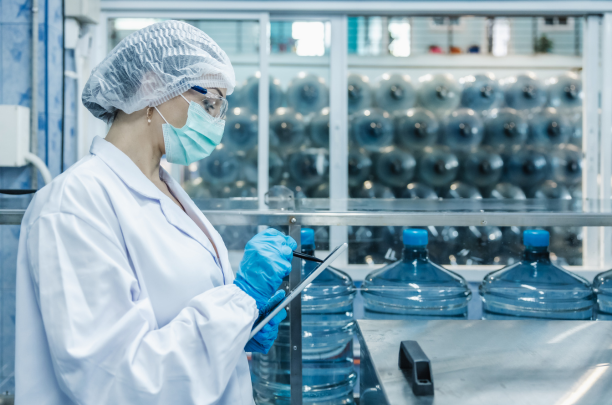
A water testing laboratory is a facility equipped to analyse water samples against a defined set of parameters. Accredited water laboratories follow strict procedures for sample collection, storage, handling, and analysis. The results they produce are documented, traceable, and based on recognised testing standards.
Water analysis at a certified lab goes far beyond what a home test kit can tell you. Home kits are useful for quick checks, but labs that test water can detect contaminants at levels far too low for a basic kit to pick up. If you are making decisions about drinking water safety, irrigation, or food production based on your water source, laboratory results are what you need.
Water testing labs vary in what they offer. Some focus on agricultural water. Others specialise in municipal compliance testing. A good water analysis lab will discuss your specific situation with you before running tests, so that the panel they analyse covers what is actually relevant to your water source and intended use.
For those who need a broader assessment, a water analytical laboratory can provide detailed breakdowns across chemical, biological, and physical parameters. Water analysis services from accredited facilities will typically provide a report that clearly states which parameters were tested, the results, and how those results compare to accepted standards.
Borehole Water: A Different Set of Requirements
Boreholes draw water from underground, and underground water picks up whatever it passes through rock minerals, agricultural chemicals, biological matter from surface activity, and more. Borehole water testing is not optional if you are using borehole water for drinking, cooking, or irrigation at a significant scale.
A borehole water test gives you a clear picture of what your underground water actually contains. Many boreholes in South Africa produce hard water water with high mineral content, particularly calcium and magnesium. Hard water is not necessarily harmful to health, but it causes significant practical problems: scale build-up in pipes and appliances, damage to geysers and kettles, reduced efficiency in washing machines, and dry skin and hair after bathing.
Borehole water tests should be done when a borehole is first commissioned, after any significant rainfall event that might affect the water table, and periodically as part of ongoing monitoring. Agricultural areas and properties near industrial activity should test more frequently.
When it comes to borehole water testing price, the cost varies depending on how many parameters are included in the panel. A basic test covering the most common concerns will cost less than a full-spectrum analysis. Water testing cost is generally modest relative to the peace of mind it provides and the cost of treating problems that could have been caught early. Before committing to any test, ask for a clear breakdown of the water testing price so you know exactly what is included.
A water test for drinking water drawn from a borehole should specifically include microbial testing checking for E. coli and other harmful bacteria as well as nitrates and any heavy metals that are common in your area. A drinkable water test at a certified water analysis laboratory will confirm whether your borehole water meets the standards required for safe human consumption.
Water quality testing for boreholes is also something to consider before installing any treatment system. Knowing exactly what is in your water means you can choose the right treatment rather than guessing.
Water Treatment: Softeners, Conditioners, and Systems
Once you know what is in your water, treatment becomes much more straightforward. For hard water which is very common in South Africa, particularly in borehole supply areas the primary solutions are softening and conditioning.
A water softener works by removing the minerals that cause hardness, typically through an ion exchange process. The result is softer water that does not leave scale deposits on appliances and surfaces. A water softener system is installed at the point where water enters the building, treating all the water before it reaches any taps or appliances.
For borehole users specifically, a borehole water softener is often one of the first things recommended after a hardness test comes back high. Left untreated, hard borehole water can significantly shorten the lifespan of geysers, pumps, and irrigation equipment.
A water conditioner works slightly differently from a traditional softener. Rather than removing minerals, it changes their physical structure so they do not bind to surfaces and form scale. This approach does not require salt or backwashing, which makes it lower maintenance. Soft water conditioners of this type are a popular choice for households that want the benefits of scale prevention without the ongoing upkeep of a salt-based system.
A softening water system and a water conditioning system are not the same thing, and the right choice depends on your water profile and your specific goals. If you are primarily concerned about scale damage to appliances, a conditioning system may be sufficient. If you want fully softened water for drinking and bathing as well, a full softening system may be the better option.
A water softener system South Africa needs to be sized correctly for your property and your water consumption. An undersized system will not treat the water effectively. An oversized one wastes water and chemicals during regeneration cycles. Getting the sizing right requires knowing your water hardness level which comes back to testing first.
The Right Order of Steps
The process is straightforward when you follow it in the right order. Test first, then treat. Drinking water testing through a certified water testing laboratories gives you the data you need to make informed decisions. Water labs that are properly accredited provide results you can rely on. Water potability assessment tells you whether your water is safe as-is or requires treatment before use.
From there, the treatment options are clear. Whether it is a softener, a conditioner, or a more involved filtration and treatment setup, you are choosing based on actual results rather than guesswork. That is always the better approach for your health, your appliances, and your peace of mind.