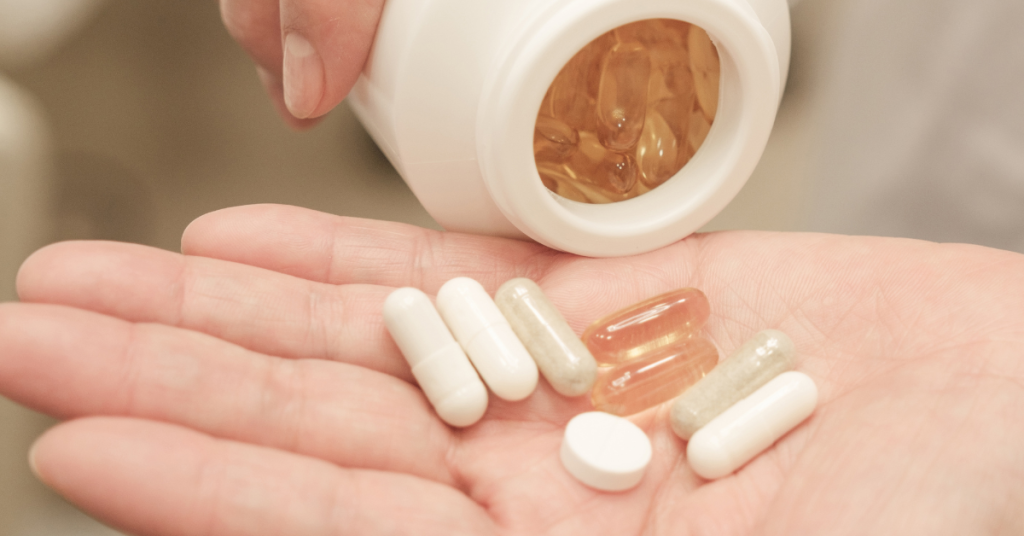
Women’s nutritional needs shift across different life stages — from the teenage years through to pregnancy, perimenopause, and beyond. What the body needs at 25 looks very different from what it needs at 45, and what works during one decade of life might not be enough in the next. Getting those nutrients right can have a meaningful impact on how a person feels on a daily basis.
This is where supplementation comes in. Not to replace food, but to support areas where diet alone often falls short — which, for most women, happens more often than expected.
Why Nutrient Gaps Happen
Even people who eat well can have gaps. Some nutrients are hard to get in sufficient amounts from food alone. Others get depleted during life events — pregnancy drains iron and folate, for example. Stress depletes magnesium. Years of hormonal changes affect how the body absorbs vitamin D. Heavy periods cause consistent iron loss that doesn’t always get replaced through diet.
On top of that, many women don’t eat enough calories overall, particularly if they’re active or following a restricted eating pattern. When calories are low, micronutrient intake tends to drop with them. People can be eating clean, nutrient-dense food and still be deficient if the total volume isn’t there.
The problem with nutrient deficiencies is that they tend to be slow and quiet. Fatigue creeps up, sleep becomes lighter, concentration fades, and hair starts to thin. These symptoms get attributed to a busy schedule or stress before anyone checks a blood panel.
The Nutrients Women Need Most
Iron is one of the most commonly deficient nutrients in women, particularly those who menstruate. Low iron causes fatigue, poor concentration, breathlessness during activity, and a weakened immune response. The tricky part is that iron deficiency can be significant enough to cause symptoms well before it shows as full anaemia on standard blood tests.
Magnesium supports sleep, reduces muscle cramps, and plays a role in regulating mood. Most people — men and women — don’t get enough from food. Highly processed diets, high caffeine intake, and regular alcohol use all deplete magnesium further.
Vitamin D is often spoken about in relation to bone health, but it’s closely tied to immune function, mood regulation, and muscle strength. People in southern hemisphere countries can still be vitamin D deficient, particularly during winter months — indoor lifestyles and sun protection habits mean many people aren’t synthesising enough.
Folate is critical for cell reproduction and often comes up for women of reproductive age, though it has broader benefits outside of pregnancy planning. It plays a role in DNA repair, cardiovascular health, and mental wellbeing.
B vitamins as a group help with energy production, nerve function, and maintaining healthy hair and skin. B12 in particular is worth paying attention to for anyone eating a plant-heavy diet, as it’s found almost exclusively in animal products. Low B12 can cause neurological symptoms, fatigue, and mood changes that are easy to misattribute.
When thinking about the best vitamins for women, these tend to be the ones that come up most consistently in nutritional research — and the ones most likely to be suboptimal in a typical modern diet.
Targeted Support: Beyond Basic Vitamins
Womens health supplements often go beyond basic vitamins and minerals. They’re built to address specific concerns like hormonal balance, urinary health, bone density, and reproductive function.
A cranberry supplement is a good example of this targeted approach. Cranberries contain compounds called proanthocyanidins (PACs), which have been studied for their ability to prevent certain bacteria from attaching to the walls of the urinary tract. Women who deal with recurring urinary tract infections often find cranberry supplementation a useful preventive measure — not as a treatment, but as ongoing support. Research on this has been building for years, and the mechanism is well understood.
Maca root, vitex (chaste tree), and evening primrose oil are other ingredients that appear in products aimed at hormonal support, particularly around PMS symptoms and perimenopause. These aren’t miracle cures, but they have reasonable research behind them for specific applications.
Perimenopause and the Supplement Gap
Perimenopause — the years leading up to menopause — brings a significant shift in how the body uses and needs nutrients. Oestrogen levels begin to fluctuate, which affects bone density, mood stability, cardiovascular health, and sleep quality. This phase can begin in the early forties, and some women start noticing symptoms long before they’d expect to.
Calcium and vitamin D intake becomes more pressing during this period, as the protective effect oestrogen has on bones starts to wane. Bone density can drop at a faster rate during perimenopause than at almost any other time in a woman’s life. Vitamin K2 is often paired with D3 in products aimed at bone health, as it helps direct calcium into bones rather than soft tissue.
Phytoestrogens — plant-based compounds found in soy, flaxseed, and red clover — are frequently studied for their ability to reduce hot flushes and mood-related symptoms. They’re not identical to oestrogen, but they bind to oestrogen receptors and can have a mild, modulating effect on symptoms.
Iron: More Complicated Than It Looks
Iron deficiency is the most widespread nutrient deficiency worldwide, and women are disproportionately affected. Menstruation causes regular blood loss, and each period means iron is being lost along with it.
The symptoms of low iron creep up slowly — fatigue, feeling cold all the time, shortness of breath during activity, difficulty concentrating. A lot of women attribute these to stress or poor sleep without realising their iron could be low. The standard iron test (serum ferritin) isn’t always included in routine blood panels, which means deficiencies get missed.
When taking an iron supplement, the type matters considerably. Ferrous bisglycinate is significantly gentler on the digestive system than ferrous sulphate, which can cause constipation and stomach upset. Taking iron with vitamin C improves absorption. Calcium and iron should be taken at different times, as they compete for absorption.
When to Start Taking Supplements
There’s no single right time to start. Some women begin in their twenties as a preventive measure. Others start after noticing specific symptoms — fatigue, poor sleep, irregular cycles, or frequent infections. Some start when they’re planning a pregnancy, others when perimenopause begins.
Getting blood work done is a useful starting point. Knowing what’s actually deficient means supplementing with purpose rather than guessing. A panel that includes ferritin, vitamin D, B12, magnesium, and thyroid function covers most of the common deficiencies that affect women.
Womens supplements are widely available in different formats — capsules, powders, and gummies. Capsules tend to offer better dosing accuracy and fewer added sugars, though the right format is whatever someone will consistently take.
What to Look for When Choosing a Product
Not all supplements are made equally. The type of each ingredient matters more than it might seem on the label. Magnesium bisglycinate absorbs better than magnesium oxide. Methylcobalamin is a more active type of B12 than cyanocobalamin. Folate as methylfolate is better used than folic acid by people with certain common genetic variations.
Avoid products that are mostly filler with token amounts of active ingredients. Look for third-party tested products. Skip anything with long lists of unnecessary additives, synthetic dyes, or artificial fillers. Shorter, cleaner ingredient lists are usually a better sign than impressive-sounding proprietary blends.
Supplements work best when paired with good sleep, regular movement, and a diet with a reasonable amount of whole foods. The biggest mistake people make is inconsistency. Nutrients build up over time, and most fat-soluble vitamins take weeks to make a measurable difference. Minerals like magnesium can take a month or more before the effects on sleep and mood become clear.
Start with the basics, be consistent, and adjust based on how things feel over time. An annual blood test makes it far easier to track whether what’s being taken is actually shifting the numbers in the right direction