Breast cancer is the most common cancer among women in South Africa. The numbers are stark: roughly one in every 25 South African women will be diagnosed with breast cancer at some point in their lives. The disease doesn’t discriminate by race, income, or lifestyle. It affects women in Sandton and women in Soweto. It affects women in their 30s and women in their 70s. And the single biggest factor that determines whether a woman survives it is how early it gets caught.
Early detection saves lives. That’s not a slogan. It’s a medical fact backed by decades of data from around the world. When breast cancer is found early, before it has spread beyond the breast, the survival rate is above 90%. When it’s found late, after it has spread to other organs, the survival rate drops dramatically. The difference between early and late detection can come down to one thing: whether or not a woman had a mammogram.
And yet, the majority of South African women are not getting screened regularly. Some don’t know they should. Some are afraid of what might be found. Some think it’s too expensive. Some simply keep putting it off. Whatever the reason, the result is the same: cancers that could have been caught early and treated successfully are being found too late, and women are dying from a disease that is highly treatable when detected in time.
What a Mammogram Actually Involves
A mammogram near me search is the first step for any woman who wants to get screened. The process itself is straightforward and takes about 15 to 20 minutes from start to finish.
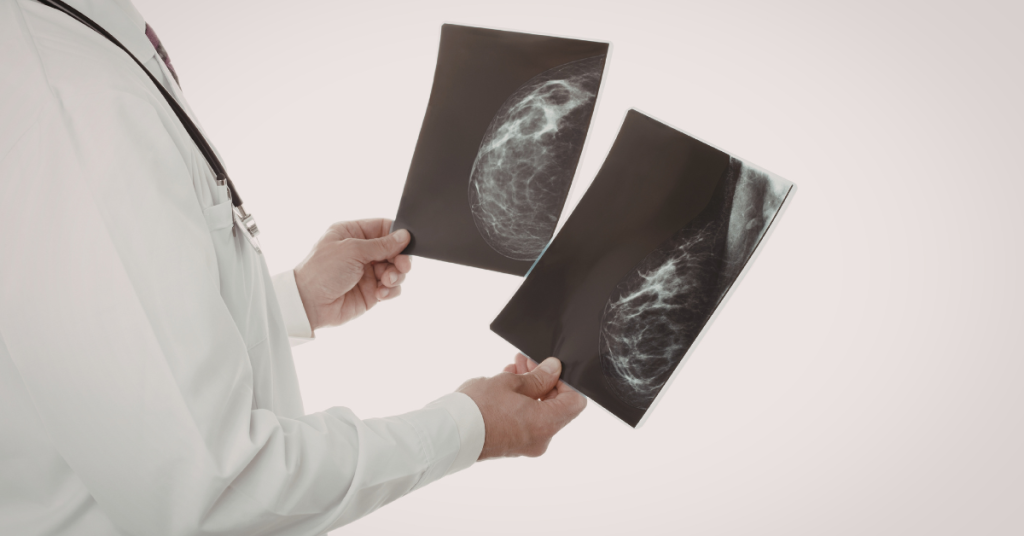
The breast is placed on a flat surface and gently compressed by a second plate. This compression spreads the breast tissue out, which allows the X-ray to produce a clearer image. The compression lasts only a few seconds per image, and most women describe it as uncomfortable rather than painful. Two images are taken of each breast, one from above and one from the side. The entire procedure is done by a trained radiographer, and the images are then read by a radiologist who looks for any abnormalities.
Mammograms can detect lumps, calcifications, and other changes in the breast tissue that are too small to feel during a physical examination. A cancer that is only a few millimetres in size, invisible and undetectable by touch, can show up on a mammogram. This is why screening mammograms are so valuable. They find things that no amount of self-examination or clinical examination can pick up at that stage.
The radiation exposure from a mammogram is very low. It’s comparable to the amount of natural background radiation a person receives over a few weeks of normal life. The risk from the radiation is negligible, and it’s far outweighed by the benefit of catching cancer early.
Who Should Be Getting Screened
The general guideline for women with no family history of breast cancer and no known risk factors is to start having regular mammograms from age 40. Some guidelines suggest starting at 45 or 50, but the trend globally is moving towards earlier screening. Women with a family history of breast cancer, particularly a mother, sister, or daughter who was diagnosed, should talk to their doctor about starting screening earlier, sometimes as young as 30.
Annual screening is the gold standard. Having a mammogram every year gives the best chance of catching any changes early. Some women opt for screening every two years, which still provides significant benefit compared to no screening at all. The worst option is no screening, which means relying on a lump being felt by chance, usually at a more advanced stage.
Women who have had breast cancer previously need ongoing surveillance with more frequent imaging, often alternating between mammograms and MRI scans. The follow-up schedule is determined by the oncologist and depends on the specifics of the original diagnosis and treatment.
The Role of Breast Examination
A breast examination is a physical check of the breasts done either by the woman herself (self-examination) or by a healthcare professional (clinical breast examination). Both have value, but neither replaces a mammogram.
Self-examination is something every woman should do monthly. The goal is to become familiar with how the breasts normally look and feel, so that any change is noticed quickly. A new lump, a change in size or shape, skin dimpling, nipple discharge, or a rash on or around the nipple are all things that should be checked by a doctor promptly. Self-examination doesn’t catch cancer early in the way a mammogram does, but it does catch changes that might otherwise go unnoticed for months.
A clinical breast examination is performed by a doctor or nurse who is trained to feel for lumps and other abnormalities. This is typically done as part of an annual check-up or a visit to a gynaecologist. The healthcare provider examines both breasts and the surrounding lymph nodes in the armpits and neck area. If anything abnormal is found, the next step is usually a mammogram or ultrasound to get a clearer picture of what’s going on.
The combination of regular self-examination, annual clinical breast examination, and regular mammograms provides the strongest possible defence against late-stage breast cancer diagnosis. Each method catches different things at different stages, and together they create a screening system that gives women the best chance of early detection.
Why Women Delay Screening
Fear is the biggest barrier. Many women avoid mammograms for the same reason some people avoid going to the doctor at all: they’re scared of bad news. The logic is understandable on an emotional level but makes no sense medically. Finding cancer early means more treatment options, less aggressive treatment, and a much higher chance of a full recovery. Finding it late means fewer options, harder treatment, and worse outcomes. Avoiding the test doesn’t prevent the disease. It just delays the diagnosis.
Cost is another barrier, particularly in South Africa where many women don’t have medical aid. Mammograms at private facilities can cost between R1,000 and R3,000, which is out of reach for a large portion of the population. Public hospitals offer mammograms, but waiting times can be long and access varies by province. Mobile screening units and awareness campaigns run by non-profit organisations have helped close the gap, but there’s still a long way to go.
Some women simply don’t know that they should be getting screened. Breast cancer awareness campaigns have done a lot to spread the message, particularly during October’s breast cancer awareness month, but there are still communities where the information hasn’t reached everyone. Education and outreach remain critical, particularly in rural areas and underserved communities where access to healthcare information is limited.
Time is the other excuse that comes up often. Life is busy. Between work, children, household responsibilities, and everything else, a mammogram appointment gets pushed down the priority list. But 20 minutes once a year is all it takes. That’s less time than a trip to the hairdresser or a run to the shops. And the payoff, peace of mind or early detection of something that needs attention, is worth more than almost any other way those 20 minutes could be spent.
What Happens If Something Is Found
A mammogram result comes back as either normal or abnormal. An abnormal result does not mean cancer. It means something was seen on the image that needs a closer look. The next steps usually involve additional imaging, such as a diagnostic mammogram with more detailed views, an ultrasound, or in some cases an MRI. If the additional imaging still shows something concerning, a biopsy may be recommended. A biopsy involves taking a small sample of tissue from the area and examining it under a microscope to determine whether cancer cells are present.
The waiting period between an abnormal mammogram result and the follow-up results can be stressful. That’s normal and understandable. But it’s worth knowing that the majority of abnormal mammogram findings turn out to be benign. Cysts, dense breast tissue, calcifications, and other non-cancerous conditions are common causes of abnormal results. Getting the follow-up done quickly reduces the anxiety and provides clarity one way or the other.
If cancer is confirmed, the treatment plan depends on the type, size, and stage of the cancer, along with the patient’s overall health and preferences. Treatment options include surgery, radiation, chemotherapy, hormonal therapy, and targeted therapy. The earlier the cancer is caught, the less aggressive the treatment needs to be. A small, early-stage cancer might only require surgery and a short course of radiation. A larger, later-stage cancer might require a combination of all available treatments over many months.
The message is the same no matter how it’s framed: getting screened regularly is the most effective thing a woman can do to protect herself against the worst outcomes of breast cancer. The test is quick, it’s accessible, and it saves lives. Putting it off serves no purpose. Booking it does.