A lot of people think you need a complicated stack of products to get results in the gym. But most of the time, a few solid choices are all you really need. Whether you’re trying to build muscle, run faster, or just recover better, knowing what actually works makes a big difference.
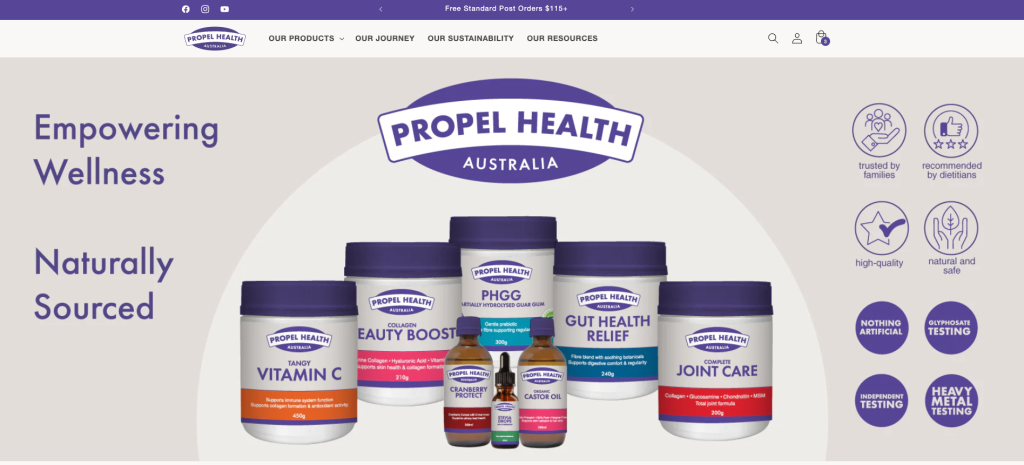
Here’s a plain, honest breakdown of some of the most popular options out there what they are, how they work, and who they’re best suited for.
What Is Creatine and Why Does Everyone Talk About It?
If you’ve spent any time in fitness circles, you’ve heard about creatine. It’s probably the most studied performance supplement in existence, and the research behind it is solid.
Taking a creatine supplement helps your muscles produce more energy during high-intensity activities. Think heavy lifting, sprinting, or any kind of short, explosive effort. Your muscles store a compound called phosphocreatine, and creatine directly boosts those stores. More stored energy means more output before fatigue kicks in.
Who Should Be Using It?
Creatine isn’t just for bodybuilders. Footballers, swimmers, cyclists, and even older adults looking to maintain muscle mass have all seen benefits from it. Studies have shown it can improve strength, increase muscle volume, and even support recovery between training sessions.
The typical dose is 3–5 grams per day. You don’t need to do a loading phase — just take it consistently and let it build up in your system over a couple of weeks.
One thing to keep in mind: creatine pulls water into your muscles, so staying hydrated matters. Most people notice a slight increase in scale weight early on, but that’s just intramuscular water, not fat.
The Role of Natural Sports Supplements
Not everyone wants to go the synthetic route, and that’s completely understandable. Natural sports supplements are made from whole-food or plant-based sources, and they’re growing fast in popularity especially among people who prefer to keep things clean.
What Counts as Natural?
This category covers a wide range of products: things like protein powders made from peas, hemp, or rice; adaptogens like ashwagandha; and plant-based pre-workouts that skip the artificial stimulants. The idea is to support performance without relying on heavily processed compounds.
For most people, natural options work well for general fitness, endurance, and recovery. They tend to be gentler on the digestive system and are often a good choice for those with food sensitivities.
The trade-off is that some natural products don’t hit as fast or as hard as their synthetic counterparts. A plant-based protein, for example, might have a slightly lower amino acid score than whey. But if you’re consistent and eating well, the gap is usually small enough that it doesn’t matter much in practice.
Beetroot: A Plant-Based Performance Booster Worth Knowing
One of the more interesting options in the natural space is beetroot. It might seem like an odd choice, but the science here is genuinely interesting.
Beetroot supplements are rich in dietary nitrates. When you consume them, your body converts those nitrates into nitric oxide, which causes blood vessels to widen. That means more oxygen and nutrients reaching your working muscles — and that can translate to better endurance performance.
What the Research Says
Several studies have found that athletes who used beetroot extract before exercise were able to maintain output for longer before hitting fatigue. The effect is particularly noticeable in aerobic sports things like cycling, distance running, and rowing.
For most people, the benefits are most pronounced at moderate intensities. You’re not going to suddenly run a marathon from scratch, but if you’re already training consistently, beetroot can give you a meaningful edge.
Beetroot also contains antioxidants and anti-inflammatory compounds, which can support recovery. It’s one of those ingredients that does more than one job.
How to Think About Supplements Generally
Supplements are called supplements for a reason — they work alongside a good diet, not instead of one. A product isn’t going to fix poor sleep, bad nutrition, or inconsistent training. But when the basics are in place, the right additions can genuinely help.
A few things worth keeping in mind:
Consistency beats everything. Taking creatine once a week won’t do much. Taking it daily for months will.
Timing matters less than people think. There’s a lot of debate about pre-workout vs post-workout timing, but most research suggests that the total daily intake matters far more than when you take it.
Start simple. Don’t try to add five new things at once. Pick one product, use it correctly for 6–8 weeks, and then evaluate whether it’s actually doing anything for you.
What to Look for When Choosing a Product
With so many options on the market, quality varies a lot. Here’s what to look for:
- Third-party testing: Products that have been independently tested for purity and label accuracy are generally more trustworthy.
- Transparent labeling: You should be able to see exactly what’s in the product and in what doses. Proprietary blends that hide individual amounts are a red flag.
- No unnecessary fillers: Some products are packed with artificial colours, sweeteners, and additives that don’t add any performance value.
- Realistic claims: If a product promises dramatic results in a short time, be sceptical. Good supplements support your work — they don’t replace it.
Final Thoughts
Getting the most out of your training doesn’t require a shelf full of products. A creatine supplement for strength and power, a well-sourced natural option for general support, and something like beetroot for endurance that’s a simple, evidence-backed starting point for most people.
Do your homework, buy from reputable sources, and focus on getting the fundamentals right first. The supplements are just there to fill in the gaps.