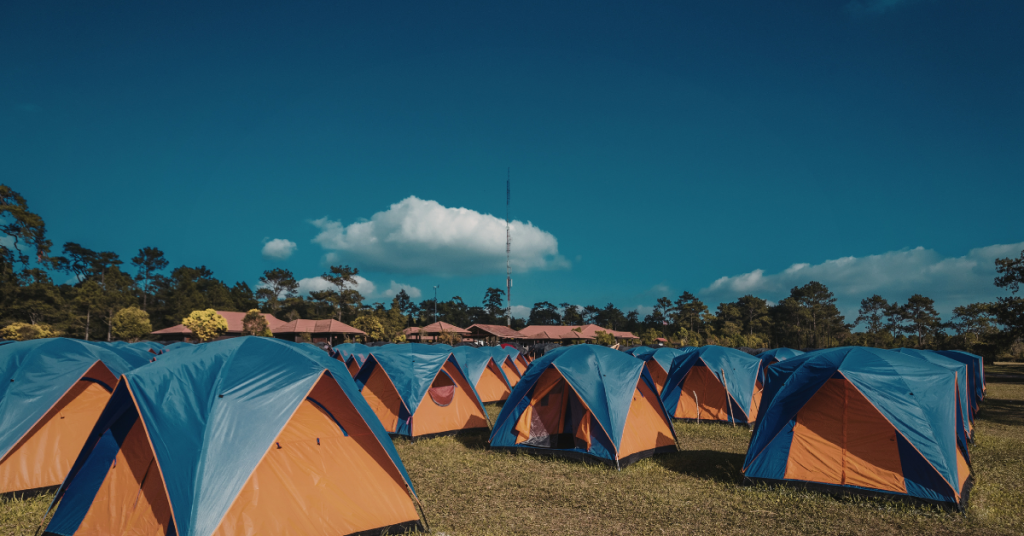
Ground tents had a good run. For decades, they were the only real option for anyone who wanted to sleep outdoors without booking a chalet or a guesthouse. But anyone who’s set up a ground tent on rocky terrain, woken up in a puddle after unexpected rain, or spent the night listening to something rustling around outside the tent flap knows that the experience leaves a lot to be desired. Rooftop tents South Africa has become one of the fastest-growing search terms in the outdoor space, and the reason is simple: sleeping on top of the car is better than sleeping on the ground in almost every way.
The rooftop tent concept isn’t new. Overlanders in Africa and Australia have been using them for years. But what’s changed is the accessibility. What was once a niche product used by serious off-road travellers has gone mainstream. Families, weekend campers, couples doing road trips, and solo travellers are all buying rooftop tents, and the market has responded with a wider range of options than ever before.
Why Rooftop Tents Make Sense
The appeal starts with convenience. A rooftop tent is permanently mounted on the vehicle’s roof rack. When it’s time to camp, it gets unfolded or popped up in a matter of minutes. No searching for flat ground. No clearing rocks and sticks. No fighting with tent poles while the wind tries to pull the flysheet out of tired hands. The tent goes up fast and comes down fast, which means more time relaxing and less time setting up camp.
Roof top tents for cars come in different formats, but the two main types are hard shell and soft shell. Hard shell tents have a rigid lid that pops up on gas struts, similar to how a car boot opens. They’re quick to set up, aerodynamic when closed, and offer good weather protection. Soft shell tents fold out from a canvas bag and are generally larger when open, giving more interior space. Both types mount on standard roof racks or roof bars, and both sleep two adults comfortably, with larger models accommodating a small family.
Being elevated off the ground solves several problems at once. Moisture, insects, snakes, and uneven terrain are no longer factors. The mattress that comes with most rooftop tents is a proper foam mattress, not an inflatable pad that deflates at 2am. Sleeping in a rooftop tent is genuinely comfortable, and many people say they sleep better in one than they do in some guesthouses.
What to Look for When Buying
Rooftop tents for sale in South Africa range from budget options under R10,000 to premium models that cost R40,000 or more. The price difference comes down to materials, build quality, features, and the type of tent.
The fabric matters. A tent made from heavy-duty ripstop canvas with a high waterproof rating will last years in South African conditions. A tent made from thinner material might save money upfront but won’t handle the Highveld thunderstorms or the Western Cape winter rains as well. UV resistance is another factor. The South African sun is brutal, and a tent that fades, cracks, or weakens after a couple of seasons of sun exposure isn’t worth the initial saving.
The frame and mounting system need to be solid. The tent sits on top of the vehicle and deals with wind, vibration from gravel roads, and the stress of being opened and closed repeatedly. A well-built frame made from aluminium or steel with quality hinges and gas struts will handle all of that without issue. A poorly built frame will start to rattle, sag, or jam within the first year.
The mattress quality varies significantly between brands and price points. A good rooftop tent comes with a high-density foam mattress that provides proper support and doesn’t bottom out. Some premium models include memory foam or custom mattresses that rival what’s on a bedroom bed at home. Since the mattress stays in the tent permanently, it needs to be breathable and resistant to mould and mildew, which can develop if the tent is packed away damp.
The Weight Factor
One of the most common concerns about rooftop tents is the added mass on top of the vehicle. A standard rooftop tent adds between 40 and 80 kilograms to the roof, depending on the model and size. For larger SUVs and bakkies, this is well within the roof load rating and has minimal impact on handling. For smaller cars, it’s more of a consideration.
Lightweight roof top tents have been developed specifically to address this concern. These models use lighter materials like aluminium frames and lighter canvas to bring the total mass down to 30 to 50 kilograms. That’s roughly the same as carrying a couple of suitcases on the roof, and most vehicles handle it without any noticeable difference in driving dynamics or fuel consumption.
The weight savings also make a difference when it comes to fuel economy on long trips. Every kilogram on the roof increases aerodynamic drag, which pushes fuel consumption up. A lighter tent means less drag, which means less fuel used over a 1,000-kilometre road trip. For people who camp regularly and drive long distances, the fuel savings over a year can be meaningful.
Where South Africans Are Using Them
The beauty of a rooftop tent is that it turns any parking spot into a campsite. South Africa’s national parks, game reserves, and campgrounds are the obvious destinations, and rooftop tents are perfectly suited to these environments. Kruger National Park’s rest camps, Addo Elephant Park, Pilanesberg, and the countless campgrounds along the Garden Route and West Coast all see rooftop tents in growing numbers.
But the real freedom comes from the ability to camp in places that don’t have formal camping facilities. A farm stay in the Karoo, a spot next to a river in Mpumalanga, a beach parking area on the Wild Coast, or a clearing in the Cederberg mountains. Anywhere the vehicle can go, the tent can go too. There’s no need to book in advance, no check-in times, and no neighbours packed in a metre away on either side.
Overlanding trips through Southern Africa have become hugely popular, with routes through Namibia, Botswana, Mozambique, and Zimbabwe being favourites among South African travellers. A rooftop tent is the standard accommodation setup for these trips, offering a reliable, comfortable sleeping solution night after night without depending on the availability of lodges or guesthouses along the route.
The Weekend Factor
Not everyone uses a rooftop tent for multi-week overland trips. For a lot of South Africans, the biggest value is in the weekend trip. Leave work on Friday, drive a couple of hours, set up camp in five minutes, and spend the weekend outdoors. Pack up on Sunday afternoon and be home in time for dinner. The low effort involved in setting up and packing down a rooftop tent makes weekend camping realistic in a way that ground tents and all their associated gear never quite managed.
The tent stays on the roof between trips, so there’s no packing and unpacking a car boot full of camping equipment. The bedding stays inside the tent. The mattress is always ready. When the mood strikes, the only thing needed is a cooler box, some food, and a destination. That simplicity is what’s driving the growth of the rooftop tent market in South Africa, and it’s why so many people who buy one say it’s the best outdoor purchase they’ve ever made.