Drones have moved from being expensive toys for tech enthusiasts to serious commercial tools used across dozens of industries. Agriculture, mining, construction, real estate, film production, surveying, security, and environmental monitoring all use drones as part of their daily operations. The demand for qualified drone pilots in South Africa has grown rapidly, and with it, the need for proper training and licensing.
Flying a drone commercially in South Africa requires a Remote Pilot Licence (RPL) issued by the South African Civil Aviation Authority (SACAA). This isn’t a case of buying a drone and starting a business. The regulations are clear: anyone who flies a drone for commercial purposes needs to be licensed, and the drone itself needs to be registered. Operating without a licence carries serious penalties, including fines and the confiscation of equipment.
A drone course is the first step towards getting that licence. The course covers the theoretical and practical knowledge needed to operate a drone safely and legally. The theoretical component includes airspace regulations, meteorology, flight planning, aviation law, and human factors. The practical component involves actual flight training, where candidates learn to operate the drone in different conditions and scenarios.
A drone flight course typically starts with the basics of drone operation. How to perform pre-flight checks, how to launch and land safely, how to maintain visual line of sight, and how to respond to equipment malfunctions. As training progresses, the exercises become more complex, covering flight patterns, altitude management, obstacle avoidance, and operating in various weather conditions.
Drone pilot training goes beyond just flying the aircraft. A professional drone pilot needs to understand the legal framework, know how to plan a flight mission, obtain the necessary permissions and waivers, and manage the risks associated with operating in different environments. Flying near airports, over populated areas, or in restricted airspace all require specific authorisations, and the training covers how to obtain and comply with these requirements.
UAV drone pilot training is the formal term used in the aviation industry. UAV stands for Unmanned Aerial Vehicle, and the training aligns with the standards set by SACAA and international aviation bodies. The qualification is taken seriously by employers and clients who need drone services, and holding a recognised RPL demonstrates that the pilot has met the regulatory requirements and has the skills to operate professionally.
The drone pilot course price varies depending on the training provider, the type of licence being pursued, and the duration of the course. The investment is significant but pays for itself quickly for anyone who intends to work commercially. A licensed drone pilot can charge per hour or per project, and the rates for professional drone services in South Africa are strong. Real estate photography, agricultural crop monitoring, construction site surveys, and event videography are all services that command good fees and are in consistent demand.
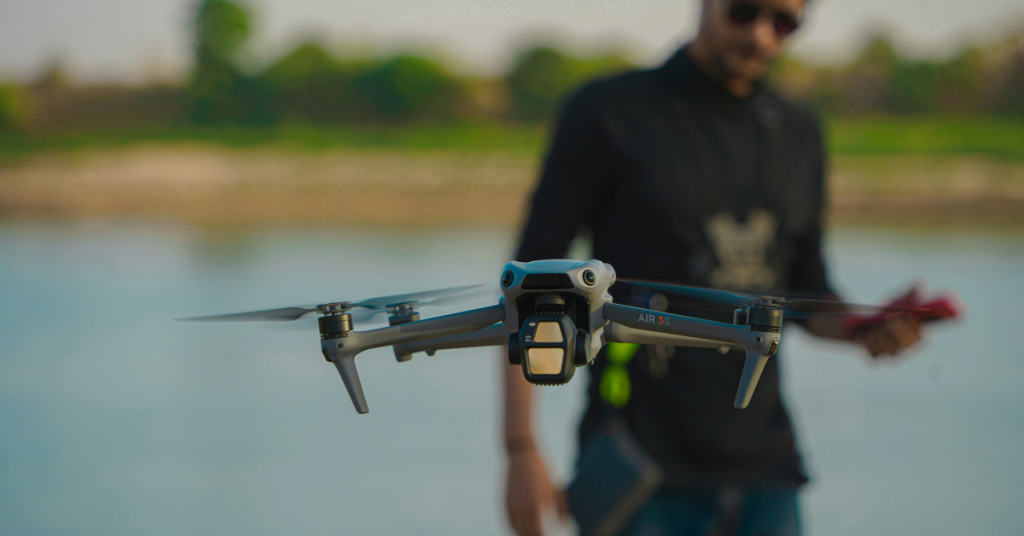
Where Drone Pilots Work
The commercial applications for drones in South Africa are expanding rapidly. The agricultural sector uses drones for crop spraying, field mapping, and livestock monitoring. The mining industry uses them for stockpile measurement, site surveys, and safety inspections in hard-to-reach areas. The construction sector uses drones for progress monitoring, site mapping, and volumetric measurements. Real estate agencies use drone footage and photography to market properties. And the film and content production industry uses drones for aerial shots that used to require helicopters costing tens of thousands of rands per hour.
For entrepreneurs, a drone pilot licence is the foundation of a business that can be started with relatively low overhead. The drone, the licence, and a client or two are all that’s needed to get going. Many drone pilots start as freelancers, build a portfolio of work, and grow into full operations with multiple drones, employees, and long-term contracts. The barrier to entry is the training and the licence, and once those are in place, the market is open and growing.
The drone industry in South Africa is still in its early stages of commercial adoption. The regulations are maturing, the technology is improving, and more industries are recognising the value that drones bring. For anyone looking for a career that combines technology, outdoor work, and a growing market, drone pilot training is one of the most practical and future-facing options available.
Drone pilot training develops a mix of technical and operational skills. Pilots learn how to manage equipment, understand flight systems, and operate safely in different environments. It also builds strong planning and decision-making ability, especially when working around obstacles, weather conditions, and restricted airspace.
Attention to detail is critical. Pre-flight checks, battery management, and flight planning all require precision. Small mistakes can lead to equipment damage or safety risks, so the training reinforces discipline and consistency in every operation.
Understanding the Legal and Compliance Side
One of the most important parts of becoming a drone pilot in South Africa is understanding the regulatory environment. The rules set by the South African Civil Aviation Authority are strict, and they are enforced. A licensed pilot must know where they can and cannot fly, what permissions are required, and how to operate within legal limits at all times.
This knowledge becomes a major advantage in the market. Clients prefer working with licensed pilots who understand compliance because it reduces risk and ensures that projects are carried out professionally and legally.
Building a Career or Business
A drone licence does not lock someone into one type of work. It opens multiple paths. Some pilots work for companies in industries like mining, agriculture, or construction. Others choose to operate independently and offer services to a range of clients.
Freelance work is common in this space. A pilot can take on projects in real estate, events, inspections, or media production. Over time, this can grow into a full business with repeat clients and larger contracts. The flexibility is one of the biggest advantages of this career path.
The Role of Equipment and Specialisation
As pilots gain experience, many choose to specialise. Some focus on aerial photography and videography. Others move into technical fields like surveying, mapping, or inspections. Each area may require different types of drones, software, and additional training.
Investing in better equipment can increase the type of work a pilot can take on and the rates they can charge. Higher-end drones with advanced cameras or sensors open doors to more specialised and higher-paying projects.
The Reality of the Work
While drone flying can look simple from the outside, professional work requires preparation and responsibility. Pilots often work outdoors in changing conditions, manage tight project timelines, and need to deliver accurate results to clients.
There is also a responsibility to operate safely at all times. This includes protecting people, property, and airspace. The training prepares pilots for this, but real-world experience is what builds confidence and consistency.
Future Growth of the Industry
The drone industry in South Africa is still developing, and that creates opportunity. As more businesses adopt drone technology, the demand for trained pilots will continue to increase. New use cases are emerging every year, from environmental monitoring to infrastructure inspection.
Technology is also improving quickly. Better batteries, smarter flight systems, and more advanced sensors are expanding what drones can do. Pilots who stay up to date with these changes position themselves well for long-term success.