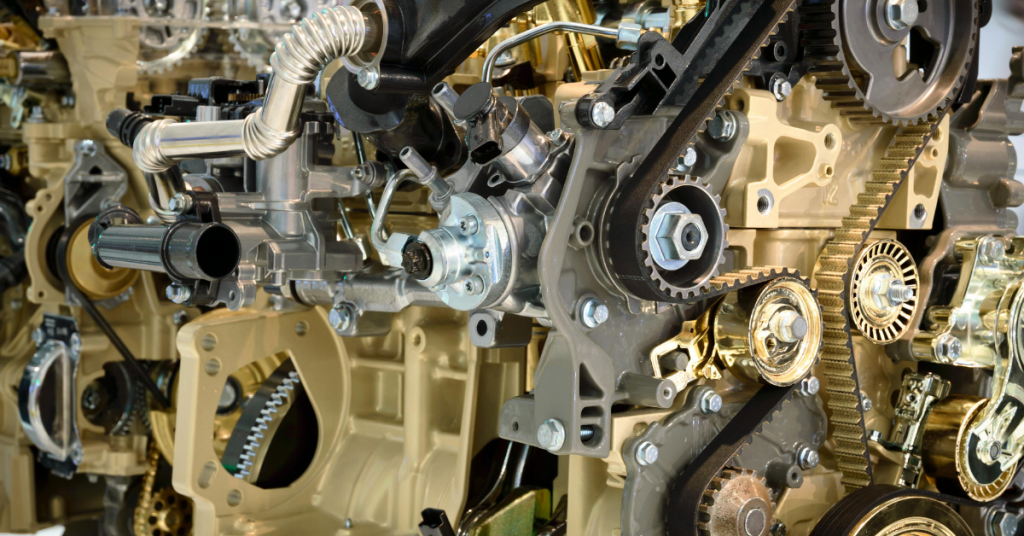
Buying a replacement engine from a scrap yard is one of the most common ways South Africans keep their vehicles on the road after a major mechanical failure. The dealer route is expensive. Brand new engines cost a small fortune, and the labour charges at main dealer workshops add up fast. For the average car owner, the numbers simply don’t work. That’s why the scrap yard and used engine market exists, and it’s a lot bigger and more professional than most people realise.
The term “scrap yard” still carries a certain image for a lot of people. Rows of rusted cars piled on top of each other, dodgy operators, and questionable quality. That image is outdated. The reality is that many scrap yards in South Africa are well-run, well-stocked operations that test and grade their engines before selling them. They carry stock across dozens of vehicle makes and models, and they offer warranties on the engines they sell. It’s a professional industry that’s been operating for decades.
How It Works
When a vehicle is written off by an insurer after an accident, or when an owner decides a car is beyond repair, that vehicle often ends up at a stripping centre. The vehicle gets stripped for usable parts, and everything from the engine and gearbox to doors, lights, seats, and electrical components gets catalogued and stored for resale. The engine is often the most valuable single component in the vehicle, and if it’s in good working order, it gets tested and made available for sale.
Second hand engines sourced this way are typically from vehicles where the body was damaged but the mechanical components were unaffected. A car that’s been rear-ended or side-swiped might have a perfectly good engine with low mileage that can be pulled, tested, and installed in another vehicle of the same make and model. This is why some of the best used engines come from accident-damaged vehicles rather than cars that were scrapped for mechanical reasons.
Used engines are graded based on mileage, condition, and testing results. A reputable seller will provide details of the engine’s mileage, run a compression test or similar diagnostic, and offer some form of warranty or guarantee. This isn’t the Wild West. Professional operations stand behind what they sell and have reputations to protect.
Finding the Right Supplier
Searching for a “scrap yard near me” is the starting point for most people, and in South Africa’s major cities there are plenty of options. Scrap yard in Johannesburg operations serve the biggest vehicle market in the country, with Gauteng accounting for the highest concentration of vehicles on South African roads. The volume of stock in Johannesburg’s scrap yards and engine rooms is significant, which means the chances of finding the right engine for a specific vehicle are high.
When choosing a supplier, look for operations that specialise in the specific make or that carry a wide range of brands. Ask about testing procedures. Ask about the warranty. Ask where the engine came from and what the mileage is. A professional operation will answer all of these questions without hesitation. If a seller gets vague or evasive about the details, that’s a signal to look elsewhere.
Engines for Sale: What’s Available
Engines for sale in the South African market cover virtually every make and model on the road. The most popular vehicles naturally have the best availability. Toyota, Volkswagen, Ford, Hyundai, and BMW engines are almost always in stock at larger suppliers. Less common brands might require a search, but the network of stripping centres and engine importers across the country means that most engines can be sourced within a reasonable timeframe.
Car engines are sold in different conditions. Some are sold as complete units, ready to bolt in with all ancillaries attached. Others are sold as bare long blocks, meaning the core engine without the accessories like the alternator, starter, and intake manifold. The buyer then transfers these components from their old engine to the replacement. The complete unit is more convenient but costs more. The bare engine is cheaper but requires more labour during installation.
Imported Engines
When a specific engine isn’t available locally, imported engines are another option. South Africa imports a significant number of used engines from Japan, the UK, Europe, and other markets where vehicles are retired earlier and at lower mileages than they typically are in South Africa. A Japanese domestic market engine with 60,000 kilometres on it can be a better buy than a local engine with 180,000 kilometres, simply based on the amount of life left in it.
Imported engines go through testing and clearance processes before they reach the South African market. Reputable importers provide documentation showing the origin of the engine, the mileage, and any testing that was done. The import route takes a bit longer than buying locally available stock, but the quality and mileage can make it worthwhile for buyers who want the longest possible service life from their replacement engine.
The Cost Advantage
The maths behind buying a used or second-hand engine versus a new one is straightforward. A new engine from the dealer can cost anywhere from R40,000 to R200,000 or more, depending on the make and model. A quality used engine for the same vehicle might cost a third to a half of that. Add labour for fitment, and the total is still significantly less than the new engine route. For a vehicle that’s otherwise in good mechanical and cosmetic condition, this is an investment that extends the vehicle’s life by years and saves tens of thousands of rands compared to the alternatives.
The used engine market in South Africa is a lifeline for millions of vehicle owners. It keeps cars on the road, it keeps repair costs manageable, and it gives vehicles a second life that would otherwise end at the scrapheap. The industry is professional, the stock is extensive, and the savings are real. For anyone dealing with an engine failure, the “scrap yard near me” search is the smartest first step.