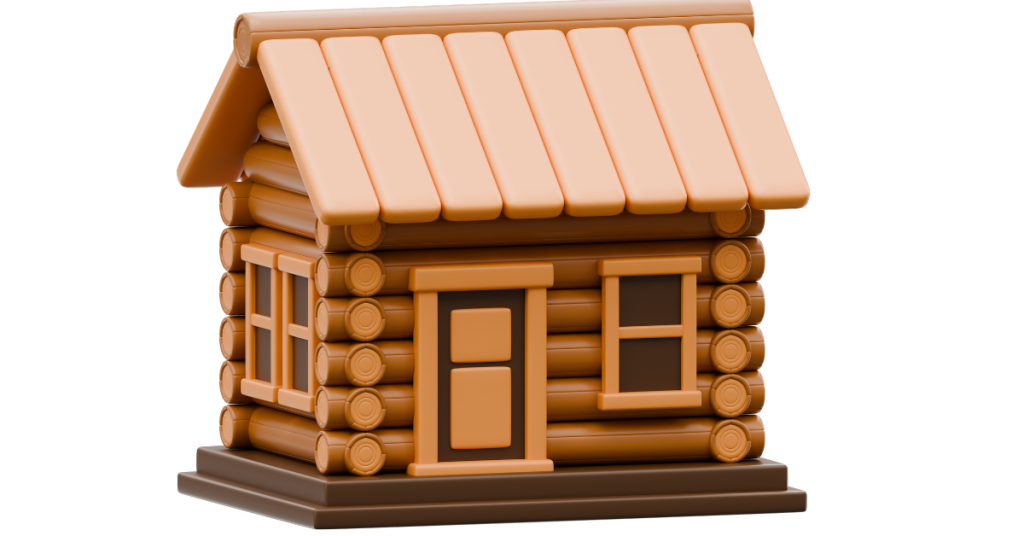
There’s a reason wendy houses have been a part of South African properties for generations. They’re affordable, they go up fast, and they solve problems that brick-and-mortar additions simply can’t match on the same budget. Need extra storage? A wendy house handles it. Need a place for a domestic worker or security guard? Sorted. Want a home office away from the noise of the main house? Done. The versatility of a simple wooden structure is hard to beat, and the price point makes it accessible to almost any homeowner.
The South African property market has pushed a lot of people towards making better use of the space they already have rather than buying bigger. Adding a wendy house to a property is one of the fastest and most cost-effective ways to create extra functional space without going through the expense and disruption of a full building project. There’s no waiting months for plans to be approved, no builders tearing up the garden for weeks on end, and no surprise cost overruns that double the original quote.
What Wendy Houses Are Used For
The traditional use of a wendy house was as a basic garden shed or staff quarters. That’s still common, but the range of uses has expanded well beyond that. Home offices have become a huge driver of demand since remote work became the norm for millions of South Africans. A wooden wendy house in the back garden gives someone a dedicated workspace that’s separate from the distractions of the main house. No kids running through during a video call, no TV noise in the background, and a proper door that can be closed at the end of the working day.
Art studios, music rooms, gym spaces, and hobby rooms are other popular uses. A lot of people have found that having a dedicated space for their interests, physically separate from the living area, makes them more likely to actually use it. A wendy house set up as a small gym with a few weights, a bench, and a mat costs a fraction of a gym membership over a few years, and it’s available 24 hours a day.
Wooden wendy houses are also widely used as rental income generators. In areas with strong demand for affordable accommodation, a well-built wendy house with basic plumbing and electrical connections can be rented out to a tenant and provide a monthly income stream that pays for the structure many times over within the first couple of years.
Pricing and What Affects It
One of the first questions anyone asks is about wendy houses prices, and the answer varies depending on a few factors. Size is the biggest one. A small 2m x 2m tool shed costs significantly less than a 6m x 3m structure with multiple rooms. The type of wood matters too. Pine is the most common and most affordable option. Treated pine lasts longer and resists moisture and insect damage better than untreated timber.
The level of finish affects the price as well. A basic shell with no internal lining is the most affordable option and works perfectly for storage or a workshop. A fully lined and ceiled unit with proper windows, a door with a lock, and electrical conduit ready for wiring costs more but is suitable for use as an office, accommodation, or rental unit.
Delivery and installation are usually included in the price for areas within a certain radius of the supplier, but it’s worth confirming this upfront. Some suppliers charge extra for delivery beyond a set distance, and installation on difficult terrain or sites with limited access can add to the cost.
For anyone searching for a wendy house for sale, comparing quotes from at least two or three suppliers is the smart move. Look at what’s included in the price, not just the headline number. A quote that includes delivery, installation, and a treated timber frame is better value than a lower quote that excludes all of those extras.
Wendy houses for sale come in standard sizes or can be built to custom dimensions. Standard sizes are more affordable and quicker to deliver since they’re often pre-fabricated and ready to go. Custom builds take a bit longer and cost a bit more, but they allow the buyer to specify exact dimensions, window placement, door positions, and internal layout.
Guard Houses for Security
Security is a reality of life in South Africa, and most residential complexes, commercial properties, and industrial sites have security personnel on duty around the clock. Those guards need somewhere to sit, and a proper guard house makes a significant difference to their ability to do the job effectively.
Guard houses are purpose-built structures designed with security operations in mind. They’re typically positioned at entrance gates and include features like wide windows for visibility, a counter or desk area, electrical points for monitoring equipment, and enough space for a chair and a heater. A guard who is comfortable, dry, and properly sheltered is more alert and more effective than one sitting on a plastic chair under a corrugated iron lean-to.
A wooden guard house is a practical and affordable option for estates, office parks, factories, and farms. They look professional, they’re weather-resistant when properly treated, and they can be installed in a single day. For properties that are upgrading their security infrastructure, a proper guard house is one of the most visible and impactful improvements that can be made.
Wooden guard houses come in different sizes depending on the needs of the site. A small single-person unit is sufficient for a residential estate gate. A larger unit with space for two guards, a monitor screen, and a boom gate control panel is more appropriate for a commercial or industrial entrance.
Wooden guard huts is another term people use when searching for the same product. The naming convention varies, but the product is the same: a small, purpose-built wooden structure designed to house security personnel at an access point. Whatever it’s called, the function is the same, and the demand is steady across South Africa.
Tool Sheds and Storage
Every homeowner needs storage. Garden tools, paint tins, pool equipment, bicycles, camping gear, braai accessories, and all the other bits and pieces that accumulate over the years need somewhere to go. A garage can only hold so much, and most South African garages are already full of everything except the car.
Tool sheds solve this problem neatly. A compact wooden shed in the corner of the garden provides dedicated storage space that keeps everything organised, dry, and out of the way. The lawn mower, the weed eater, the hedge trimmer, the wheelbarrow, and all the other garden equipment that currently lives in a pile against the garage wall gets a proper home.
Wooden tool sheds are available in sizes ranging from small 1.5m x 1.5m units up to larger 3m x 3m structures that can double as a workshop. Adding a workbench, some shelving, and a power point turns a basic tool shed into a functional workspace for DIY projects, furniture repairs, or hobby work. It’s a small investment that makes a big difference to how a property functions day to day.
Doll Houses for the Kids
On the smaller end of the scale, doll houses are a popular product for families with young children. A wooden doll house placed in the garden gives kids their own little space to play, imagine, and spend time outdoors instead of in front of a screen. It’s a simple concept, but it works. Kids love having their own space, and a doll house in the garden becomes the centre of outdoor play for years.
Wood doll house structures are built to be safe, sturdy, and sized appropriately for children. They’re small enough to fit in most gardens but big enough for two or three kids to play inside comfortably. Some come with features like a small veranda, a window with shutters, and a stable door that opens in two halves.
Wooden doll houses are also popular as birthday and Christmas gifts. There’s something special about a child walking into the garden and finding their very own little house waiting for them. It’s the kind of gift that gets used daily, not something that ends up forgotten in a cupboard after a week.
The timber used in doll houses is the same quality as the larger wendy house range, just scaled down. It’s treated to resist weather damage and insects, and the structures are built to handle the rough treatment that children inevitably dish out. A well-built wooden doll house will last for years and can be passed on to younger siblings or neighbours when the kids outgrow it.
Why Wood Still Works
In a country with access to steel, brick, prefab panels, and all sorts of modern building materials, wood remains the material of choice for wendy houses and garden structures. The reasons are practical. Wood is a natural insulator, keeping the interior cooler in summer and warmer in winter compared to metal alternatives. It looks better in a garden setting than a steel container or a corrugated iron shed. It’s easy to modify, so adding a window, extending a wall, or cutting in a door can be done with basic tools. And it’s affordable, which is the factor that matters most for the majority of buyers.
Treated timber has a long lifespan when maintained properly. A coat of wood sealant or exterior varnish every couple of years keeps the structure looking good and protects it from moisture, UV damage, and wood-boring insects. The maintenance is minimal and the cost is negligible compared to the value the structure provides.
South Africans have been building and buying wendy houses for decades, and the demand shows no signs of slowing down. The uses keep expanding, the designs keep improving, and the value proposition stays strong. For anyone who needs extra space on their property without the expense of a conventional build, a wooden wendy house remains one of the smartest and most practical investments available.