Most people think of supplements as something for gym-goers or bodybuilders. Protein shakes and creatine get all the attention, but there’s a whole other side to supplementation that’s just as valuable and far more widely applicable. Nutritional supplements aimed at general health and wellness can make a real difference to energy levels, immune function, skin health, and overall wellbeing. And in South Africa, where stress levels are high, diets are often inconsistent, and the pace of life doesn’t leave much room for perfect nutrition, these products fill a genuine gap.
The human body needs a long list of vitamins, minerals, and other compounds to function properly. Getting all of them from food alone, every single day, is the ideal. But it’s not realistic for most people. Busy schedules, budget constraints, and the reality of South African eating habits mean that nutritional gaps are common. Supplements don’t replace good food, but they plug the holes that food leaves open.
Collagen: Not Just a Beauty Trend
Collagen has been getting a lot of attention over the past few years, and most of it has been focused on skin, hair, and nails. That’s all valid, but collagen does a lot more than make skin look good. It’s the most abundant protein in the human body. It’s in the joints, the bones, the gut lining, the tendons, and the ligaments. As people age, the body produces less collagen naturally, and that’s when things start to creak, sag, and slow down.
Pure collagen powder is a simple way to top up what the body is no longer making on its own. A daily scoop mixed into coffee, water, or a smoothie delivers a dose of collagen peptides that the body can absorb and put to work. Regular use has been shown to improve skin elasticity, reduce joint stiffness, and support gut health. For people over 30 who are starting to feel the effects of ageing in their joints or noticing changes in their skin, collagen is one of the most practical supplements to add to a daily routine.
The powder format is convenient and versatile. It dissolves in hot or cold liquids without changing the taste, so it’s easy to add to whatever someone already drinks in the morning. No capsules to swallow, no complicated timing, just a quick scoop and stir.
Immune Support in South Africa
South Africa’s changing seasons, high pollution in urban areas, and the general stress of daily life all put pressure on the immune system. Getting sick means missing work, missing gym sessions, and falling behind on everything. That’s why immune support is one of the fastest-growing supplement categories in the country.
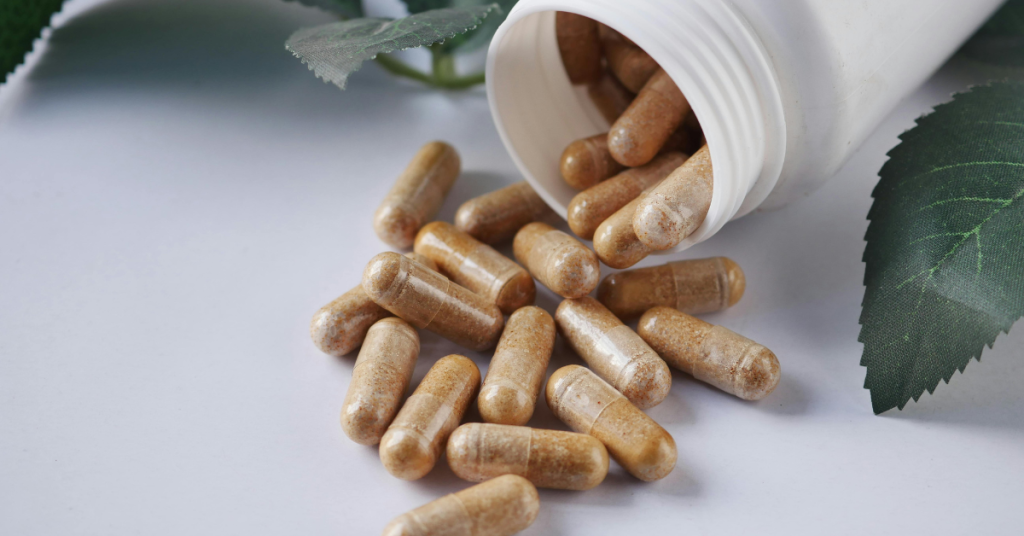
Immune system booster pills and powders are designed to give the immune system the raw materials it needs to function at its best. Common ingredients include vitamin C, zinc, vitamin D, and elderberry, all of which have strong research behind them. Vitamin C is probably the most well-known immune nutrient, and most South Africans don’t get enough of it from food alone. Zinc plays a critical role in immune cell function. Vitamin D, which the body makes from sunlight, is often deficient in people who spend most of their day indoors.
A daily immune supplement isn’t about preventing every cold or flu. It’s about giving the body the best possible chance of fighting things off quickly and recovering faster when something does get through. The difference between a two-day cold and a two-week one often comes down to how well-equipped the immune system was before the infection hit.
Winter in particular is when immune supplementation makes the most difference. The cold, dry air and reduced sunlight hours mean the body is working harder to keep things running properly. Starting an immune supplement a month or two before winter hits is a smart move that a lot of people leave too late.
Energy Without the Crash
Fatigue is one of the most common complaints among South Africans. Long commutes, demanding jobs, load shedding disrupting sleep, and the general weight of responsibilities leave most people running on empty by midday. Coffee helps, but it’s a short-term fix that often comes with a hard crash and disrupted sleep if consumed too late in the day.
An energy boost supplement takes a different approach. Rather than relying purely on caffeine for a short spike, these products combine B vitamins, adaptogens, amino acids, and other ingredients that support sustained energy production at a cellular level. The result is a steadier lift that doesn’t come with jitters or an afternoon crash.
For people who train in the morning before work, or who exercise in the evening after a long day, an energy supplement can be the difference between a productive session and a half-hearted one. It’s not about being wired. It’s about having enough in the tank to perform properly and still function afterwards.
Hydration: The Most Overlooked Factor
Most people don’t drink enough water. And even those who do often lose electrolytes through sweat, stress, and daily activity that plain water doesn’t replace. Dehydration, even mild dehydration, causes fatigue, poor concentration, headaches, and reduced physical performance. It’s one of the simplest things to fix, and one of the most commonly ignored.
Hydration sachets are a quick and effective way to replace lost electrolytes and keep the body properly hydrated. These single-serve sachets dissolve in water and provide a balanced mix of sodium, potassium, magnesium, and other electrolytes that the body needs to function properly. They’re especially useful during hot weather, after training, during long work days, or any time someone feels sluggish for no obvious reason.
The beauty of hydration sachets is their simplicity. Tear one open, drop it in a glass of water, drink it. No mixing tubs, no complicated dosing, no mess. They travel well too, so keeping a few in a bag or desk drawer means proper hydration is always within reach. For people who find plain water boring and end up drinking sugary cooldrinks instead, a flavoured hydration sachet is a much better alternative that actually helps the body rather than loading it with sugar.
Testosterone and Performance
For men over 30, testosterone levels start to decline gradually. It’s a natural process, but the effects are noticeable. Lower energy, reduced motivation, slower recovery from training, decreased muscle mass, and changes in mood and focus are all linked to declining testosterone levels. It’s a slow drip, and most men don’t even realise it’s happening until the cumulative effect becomes hard to ignore.
A testosterone booster is a supplement designed to support the body’s natural testosterone production. These products typically contain ingredients like tribulus terrestris, fenugreek, D-aspartic acid, and zinc, all of which have been studied for their role in supporting healthy testosterone levels. A good testosterone booster doesn’t inject synthetic hormones into the body. It gives the body the nutrients and compounds it needs to produce more of its own testosterone naturally.
The results aren’t overnight. It takes a few weeks of consistent use before the effects start showing up. Better energy in the gym, improved recovery, a more stable mood, and a general feeling of being more switched on are the most commonly reported benefits. For men who are training regularly and feel like they’ve hit a plateau, a testosterone booster can be the piece that gets things moving again.
It’s worth being realistic about expectations. A natural testosterone booster won’t produce the same results as hormone replacement therapy or anabolic steroids. That’s not what it’s for. It works within the body’s natural range, giving a modest but meaningful lift that supports performance, recovery, and overall quality of life.
Making Supplements Part of Daily Life
The best supplement routine is one that’s simple enough to stick with. A collagen powder in the morning coffee, an immune support capsule with breakfast, a hydration sachet in a water bottle at the desk, and an energy supplement before training. That’s four products, each taking less than a minute to use, and together they cover a wide range of health and performance needs.
The cost of a basic supplement stack is less than most people spend on takeaway food in a month. The return on that investment shows up in how someone feels, how they perform, and how often they get sick. It’s a practical approach to health that doesn’t require a complete lifestyle overhaul, just a few smart additions to what someone is already doing.