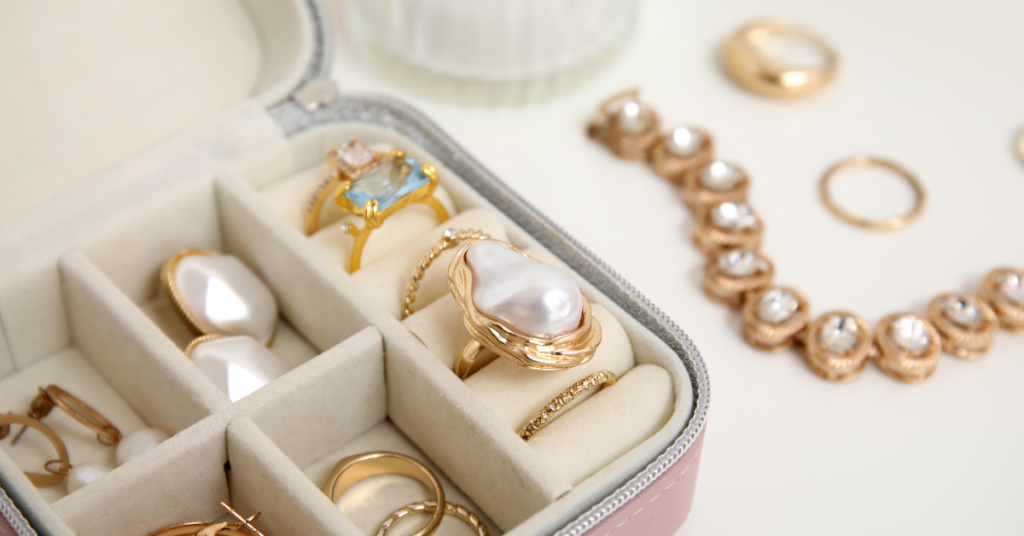
Almost every South African household has a jewellery box with items that haven’t been touched in years. Rings that don’t fit anymore. A necklace from an ex. Earrings that went out of fashion a decade ago. A bracelet with a broken clasp that nobody ever got around to fixing. These items just sit there, doing nothing, gathering dust while life gets more and more expensive around them.
Here’s something worth thinking about: those pieces have real cash value. Not sentimental value, not “maybe one day” value, but actual rands-in-your-pocket value. And right now, with gold prices at strong levels, jewellery buyers across South Africa are paying well for pieces that people no longer want or need. It’s a straightforward swap: gold that isn’t being used for money that can be.
Why Sell Jewellery You’re Not Using?
The average South African is dealing with rising electricity costs, fuel prices that never seem to come down, and groceries that cost more every month. Meanwhile, there’s gold and silver sitting in drawers that could be turned into money that helps cover those costs. It’s not about being desperate. It’s about being practical and making smart decisions with the assets available.
Think about it this way: if someone had R5,000 in cash stuffed in a sock drawer, they wouldn’t just leave it there for years while struggling to pay bills. But that’s exactly what’s happening with unworn jewellery. The value is just locked up in a different form. It’s still real. It still has purchasing power. It’s just not being used.
Deciding to sell jewellery isn’t giving up on anything. It’s converting something that serves no purpose into something that does. And there’s nothing wrong with that. In fact, it’s one of the smartest financial moves someone can make when they’ve got assets sitting idle.
What Jewellery Can Be Sold?
The range is wider than most people expect. Cash for jewellery applies to gold rings, chains, bracelets, earrings, and bangles of all types and styles. Silver jewellery is also accepted, along with platinum items. Broken pieces are just as welcome as perfect ones. A chain with a snapped link, a ring with a missing stone, or a single earring whose partner was lost years ago all still contain precious metal that has value.
Outdated or unfashionable designs are perfectly fine to sell. The gold content doesn’t change just because the style has gone out of fashion. A chunky 1980s chain has the same gold per gram as a sleek modern piece. The metal is what matters, not the look.
Inherited pieces that don’t suit the new owner’s taste are a common reason people visit buyers. Someone might receive a collection of jewellery from a grandparent that’s beautiful in its own way but just isn’t something they’d ever wear. Turning those pieces into cash that can be used for something meaningful is a way of honouring that inheritance rather than letting it gather dust.
Wedding and engagement rings from previous marriages come in more often than people might think. A lot of divorced South Africans have rings sitting in boxes that carry no happy memories. Turning those into cash is practical and can feel like properly closing a chapter and moving forward.
How Does It Work?
The process to sell gold jewellery is straightforward and doesn’t take long. Bring the items to a buyer. Each piece gets tested for metal type and purity using either an acid test or an electronic testing device. It gets weighed on a calibrated scale that’s been certified for accuracy. The buyer then calculates an offer based on the metal content and the current market price for that metal.
It doesn’t matter if the piece is scratched, tarnished, broken, or ugly. When it comes to the gold or silver content, appearance is completely irrelevant. The metal gets recycled and melted down, so only the weight and purity count. A perfect-looking ring and a battered one with the same weight and karat will get the same offer.
Payment is usually same-day. Most buyers pay via cash or EFT, and the whole thing takes under half an hour from walking in to walking out with money. It’s one of those processes that people put off for months thinking it will be complicated, and then they’re surprised at how quick and easy it actually is.
Finding a Buyer You Can Trust
Searching for sell jewellery near me will show a number of options, depending on location. Major cities like Johannesburg, Cape Town, Durban, and Pretoria have multiple buyers spread across different suburbs and shopping centres. Smaller towns often have at least one or two operators as well.
When choosing a buyer, clear pricing is the most important factor. The buyer should be able to explain exactly how they worked out the offer: the karat, the weight, the current price per gram, and the total. If the explanation is vague or doesn’t make sense, that’s a warning sign. A trustworthy buyer has nothing to hide and will happily walk through the calculation step by step.
Testing and weighing should happen in plain sight. The seller should see every piece being handled, tested, and placed on the scale. If items get taken to a back room or out of view, that’s not acceptable. The entire process should be visible and open.
No obligation means exactly that. A decent buyer won’t pressure anyone into accepting an offer. If the number doesn’t work, walking away should be easy and comfortable, with no guilt trips, no hard sell, and no attitude. The gold will still be there tomorrow if the seller wants to try somewhere else or take time to think.
Proper registration matters. Legitimate buyers operate under the Second-Hand Goods Act and hold the appropriate licences. They keep records, they ask for identification, and they run their operation within the law. This protects the seller and provides a proper trail for every transaction.
Signs advertising we buy jewellery are common in shopping centres and on high streets across South Africa. Not all of these operations are equal, so doing a bit of homework before walking in is always worth the effort. A quick look at reviews or asking around for personal recommendations can save a lot of hassle.
Second-Hand Jewellery Has Real Value
There’s sometimes a stigma around selling used jewellery. People feel like they’re getting rid of something precious or that they’ll be judged for needing money. That’s nonsense. Second hand jewellery buyers exist precisely for this purpose, and the industry is well-established, professional, and completely normal. Thousands of South Africans sell jewellery every single week, from every walk of life and every income bracket.
The gold in a second-hand ring is worth exactly the same as the gold in a brand-new one. Gold is gold. The market doesn’t care if a piece was bought last week or 30 years ago. It doesn’t care if it was expensive at the time or bought on sale. What matters is the weight and the karat. That’s it. Everything else is irrelevant once the metal is being valued for its content.
Getting the Best Deal
A few practical steps can make a meaningful difference for anyone looking to sell jewellery for cash. Sorting items by metal type before visiting a buyer helps speed up the process and keeps things organised. Gold goes in one pile, silver in another, and platinum separate again. This makes the assessment faster and cleaner for everyone.
Checking for hallmarks gives a huge advantage. Look inside rings or on clasps for stamps like 375, 585, or 750. These tell the karat and help set expectations before walking in. Knowing that a ring is 9kt versus 18kt means having a rough idea of what each piece is worth, which makes evaluating the offer much easier.
Don’t polish or clean the pieces before bringing them in. Cleaning won’t change the gold content and could actually damage softer items or remove patina that a buyer expects to see. Leave everything as it is and let the professionals handle the assessment.
Bring everything, even the small broken bits. A single broken earring still has gold in it. A tiny charm from a bracelet still weighs something. These small items add up surprisingly fast, and leaving them behind means leaving money on the table.
Getting at least two quotes is the single best way to make sure the offer is fair. If quotes from different buyers are close together, that confirms the valuation is in the right range. If they’re far apart, it’s worth asking the lower bidder why their number is different. There could be a legitimate reason, or it could be a sign to go with the higher offer.
Bringing identification is a requirement under FICA regulations. A South African ID and proof of address will be needed for every transaction. This is standard across the industry and not something to be concerned about. It’s a legal protection for both parties.
Knowing the gold price before walking in takes two minutes and gives a baseline for evaluating any offer. The international gold spot price is available on multiple websites and updates constantly throughout the day. Converting it to rands per gram gives a clear picture of what the raw metal is trading at.
The Emotional Side
Let’s be real: some pieces carry memories. A grandmother’s ring. A gift from a loved one who’s passed away. An anniversary bracelet from a happier time. Selling those is harder, and nobody should feel rushed into it. If the emotional attachment is strong, maybe those pieces stay in the box. That’s a perfectly valid decision.
But for the boxes full of random pieces that carry no emotional weight? Odd earrings, broken chains, rings from forgettable occasions, inherited pieces with no personal connection? That’s where the opportunity sits. Those items serve no purpose in a drawer, and converting them into cash that can pay a bill, cover a school trip, top up a savings account, or fund something meaningful is just smart.
What Happens to the Jewellery After It’s Sold?
Most jewellery sold to buyers gets melted down and refined. The gold is separated from any other metals, purified, and re-enters the market as raw gold that gets used in new jewellery, electronics, or other industries. Some pieces with unique craftsmanship or recognisable designer labels may be resold as-is on the pre-owned market, but the majority goes through the recycling process.
This means sellers shouldn’t worry about their old pieces ending up on someone else’s finger or around someone else’s neck. The gold gets a completely new life in a completely different form, and so does the money in the seller’s pocket.
South Africa’s cost of living isn’t getting cheaper any time soon. But the value sitting in jewellery boxes across the country is real, accessible, and waiting to be put to good use. All it takes is a trip to a trusted buyer and 20 minutes of time. That small effort could make a real difference to this month’s budget, and there’s absolutely no reason not to at least find out what those forgotten pieces are worth.