Furnishing a home is one of the bigger expenses most people face, and it’s not something you want to get wrong. The furniture needs to last, it needs to look good, and it needs to fit within a budget that doesn’t leave you stretched for months afterward. For a lot of South Africans, the answer to that challenge has been shopping at a factory shop rather than going the traditional retail route.
The concept is straightforward. When you buy furniture from a regular retail store, you’re paying for the product itself plus the retailer’s markup, the cost of the retail space, staff, marketing, and every other overhead that goes into running a shop. When you buy directly from a manufacturer, a lot of those layers fall away. What you’re left with is better value for the same or higher quality product.
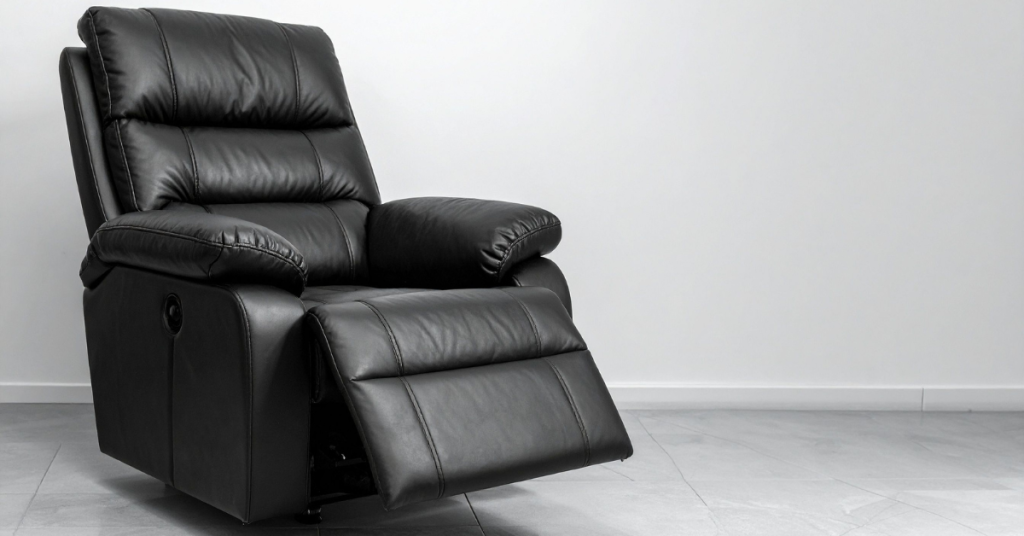
What a Furniture Factory Shop Actually Offers
A furniture factory shop operates directly from or close to the manufacturing facility. The pieces on the floor are made by the same team using the same materials and the same processes as the products that end up in retail stores. The difference is the price point, because the retail markup is removed from the equation.
What you’ll typically find in this type of shop is a mix of current range items, discontinued lines, factory seconds, and sometimes custom or clearance pieces. Factory seconds are worth paying attention to. These are items that have minor imperfections, sometimes barely visible, that prevent them from being sold through standard retail channels. The imperfection might be a slight colour variation in the fabric, a small mark on the underside of a frame, or a minor surface scratch. The structural integrity and overall quality is the same as a first-grade product, and the price reduction can be significant.
Current range items at a factory shop are priced lower than the retail equivalent because of the direct-to-consumer model. You’re not getting less furniture. You’re getting the same furniture with fewer middlemen involved in the transaction.
The Johannesburg Advantage
Johannesburg is home to a concentration of furniture manufacturers, making it one of the best places in South Africa to shop this way. The city’s industrial areas have housed furniture production for decades, and many of those manufacturers have set up retail spaces that allow the public to buy directly.
A furniture factory outlet in Johannesburg gives buyers access to locally made products that have been built to suit the South African market. Local manufacturers understand the climate, the way South African families use their living spaces, and the materials that hold up well under local conditions. That local knowledge shows up in the products.
There’s also a practical benefit to buying locally manufactured furniture. Lead times are shorter when the product isn’t being shipped from overseas. If you need a piece in a specific size or configuration, adjustments are easier to accommodate when the manufacturer is in the same city rather than on another continent. And if something goes wrong after purchase, getting it resolved is far more straightforward when the manufacturer is accessible.
What to Expect When You Visit
Walking into a furniture factory shop in Johannesburg for the first time can feel different from a regular furniture retail experience. The space may be less polished than a high-end showroom. The range might be displayed more practically than theatrically. But that’s partly the point. The focus is on the product rather than the ambience.
Staff at factory shops tend to have detailed knowledge of the products because they work closely with the people who make them. Questions about materials, construction methods, and customisation options are usually answered with more depth than you’d get from a general retail salesperson.
It’s worth visiting with a clear idea of what you need. Dimensions of the space you’re furnishing, any colour or fabric preferences, and a realistic sense of your budget all make the visit more productive. That said, factory shops often carry pieces you wouldn’t expect to find, and it’s not unusual to come in looking for one thing and leave having found something better than what you originally had in mind.
The Case for Factory Outlets Over Generic Retail
The furniture retail market is filled with products designed to look good on a showroom floor and in a catalogue. That’s not the same as being designed to last. Mass-produced furniture aimed at the middle market often uses compressed wood products, thin veneers, and construction methods that prioritise speed and cost over durability.
A furniture factory outlet that manufactures its own products has a different relationship with quality. The maker’s reputation is tied directly to how the product performs over time. A piece that falls apart in two years reflects badly on the factory in a way it doesn’t on a retailer who can simply stop stocking that brand and move on to the next supplier.
When you buy from a manufacturer, you can also ask directly about the materials used, where they’re sourced, and how the piece is constructed. That level of transparency isn’t always possible or forthcoming in a conventional retail environment.
Factory Shops and Custom Options
One of the less-talked-about advantages of buying from a factory is the ability to customise. Many manufacturers who sell through a Johannesburg furniture factory shop can accommodate requests for non-standard sizes, different fabric or leather options, and sometimes structural modifications to standard designs.
This is particularly useful for people furnishing spaces that don’t fit the standard furniture dimensions, such as an unusually shaped lounge, a room with low ceilings, or a corner that needs a specific configuration. Retail stores work with fixed stock. A factory can often work with your specific requirements, particularly if you’re ordering directly.
Custom work usually takes longer than buying from existing stock, and there may be an additional cost involved. But the outcome is a piece that fits your space properly rather than a compromise you’ve learned to live with.
Finding the Right Factory Outlet in Johannesburg
Not all factory outlets are the same. Some are attached to large, well-established manufacturers with a wide range and significant production capacity. Others are smaller operations with a more limited but often more specialised offering.
A Johannesburg furniture factory outlet worth visiting should be transparent about what it manufactures, willing to show you the range without pressure, and clear about pricing, warranties, and delivery arrangements upfront.
Warranties matter. A manufacturer that stands behind its products with a reasonable warranty period is telling you something about the confidence it has in what it produces. Ask about the warranty before you commit, and make sure you understand what it covers and what it doesn’t.
Delivery is another practical consideration. Large pieces of furniture need to be moved carefully, and a manufacturer with its own delivery capability is often better equipped to handle this than a third-party courier who treats a couch the same way they’d treat a box of books.
Getting the Most Out of a Factory Shop Visit
A few practical points that make the experience more productive:
Measure before you go. Knowing the dimensions of your room and any specific constraints, like a narrow entrance, a tight staircase, or a ceiling fan that limits headroom, prevents the disappointment of falling in love with a piece that won’t actually fit.
Go with photos of your space if possible. Showing a staff member what the room looks like helps them point you toward pieces that will work well in context rather than just in isolation on the showroom floor.
Ask about the lead time for anything that isn’t in stock. If you need furniture for a specific date, knowing the production and delivery timeline upfront saves frustration later.
Ask about care instructions for the materials you’re considering. Different fabrics and leathers have different maintenance requirements, and understanding what’s involved before you buy helps you make a more informed choice.
The factory shop model rewards buyers who put a bit of preparation into the visit. The value is there. The quality is there. The knowledge is there. Getting the most out of it is just a matter of showing up ready to make good use of what’s on offer.