There’s a reason recliners have stayed popular for decades. They work. After a long day, being able to sit down, lean back, and take the pressure off your back and legs is one of those simple pleasures that’s hard to replicate with any other piece of furniture. The problem is that not all of them are made equal, and buying the wrong one is an expensive mistake.
Whether you’re furnishing a new lounge or replacing something that’s finally given up, this guide covers what to look for and what to think about before spending your money.
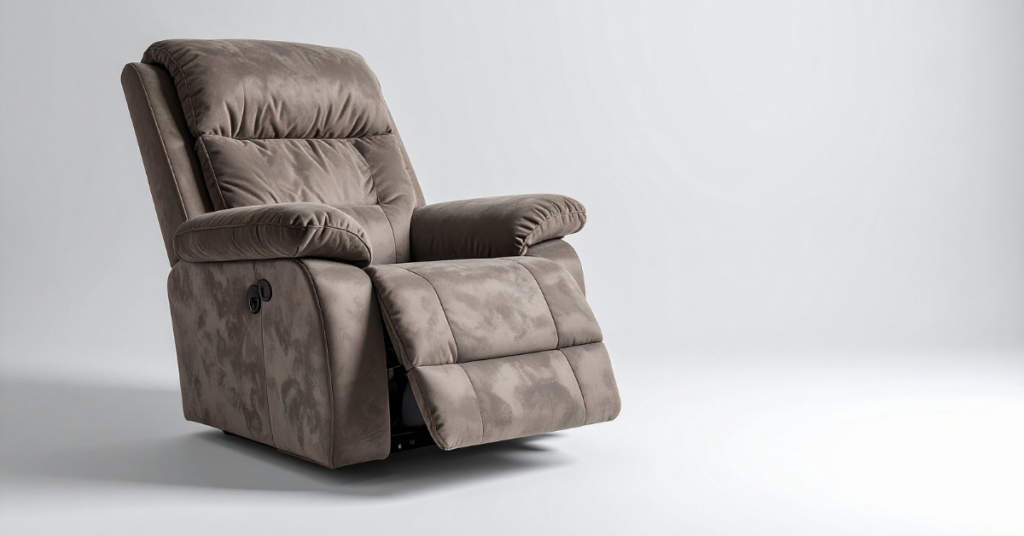
Why the Material Matters More Than You Think
One of the first decisions is the material, and it affects far more than just how something looks.
Leather recliners are consistently popular for good reasons. Leather is durable, easy to wipe clean, and tends to age well when it’s properly cared for. In a home with kids or pets, that wipe-clean quality is genuinely useful. Fabric spills soak in. Leather spills wipe off.
The downside of leather is that it can feel cold in winter and warm in summer. In South Africa, where temperatures in certain regions swing significantly between seasons, this is worth thinking about. Full-grain and top-grain leather are more durable and breathable than bonded leather, which is made from leather scraps bonded together and tends to peel after a few years.
Fabric options are softer and more varied in colour and texture, which makes them easier to match with existing furniture. Good quality fabric is more durable than people expect, and many options are treated to resist stains. The trade-off is that they require a bit more care to keep clean over time.
Understanding the Different Types of Recliners
The word recliner covers a wide range of products, and it helps to understand the differences before settling on one.
Manual recliners use a lever or push-back mechanism to recline. They’re generally simpler, more affordable, and less likely to have mechanical problems over time since there are fewer moving parts.
Power recliners use an electric motor to control the recline position, footrest, and in some cases the headrest. They’re easier to use, particularly for people with mobility issues or back problems, and they allow you to stop at exactly the angle you want rather than being limited to fixed positions.
Wall-hugger recliners are designed to sit close to the wall even when fully reclined. Standard recliners need a reasonable amount of clearance behind them to open up fully. If your room is on the smaller side, a wall-hugger design is worth considering.
Rocker recliners combine a rocking motion with the recline function. They’re a popular choice for nurseries and reading rooms.
Single Chairs, Two-Seaters, and Full Suites
Recliner chairs are the most common format, and they work well as a standalone addition to a living room or as part of a larger set. They’re also the easiest to move around and reposition.
A two seater recliner sofa gives two people the benefit of reclining without taking up as much space as a full three-seater. They’re a practical option for smaller lounges where space is limited but comfort is still a priority.
Recliner sofas and recliner couches are larger pieces where multiple seats recline independently. This means each person can adjust their position without affecting anyone else sitting beside them. This is one of those features that sounds like a minor detail but makes a real difference in everyday use.
Recliner lounge suites take this further, combining a couch and chairs that are designed to work together visually and functionally. Buying a matched suite gives the room a more considered look and ensures the recline mechanisms and heights are consistent across pieces.
What to Check Before Buying
Buying a recliner without sitting in it first is a risk. Photos don’t tell you how firm or soft the seat is, how high the armrests sit, or whether the headrest is at the right height for your body. If possible, test the piece in person before committing.
A few things to check during that test:
Seat depth: When you sit back fully, your feet should be able to rest flat on the floor or the footrest should support your legs without cutting into the back of your knees. A seat that’s too deep forces you into a slouched position which defeats the purpose of having good lumbar support.
Armrest height: Armrests that are too high push your shoulders up. Too low and your arms have nothing to rest on. The ideal height keeps your shoulders relaxed.
Headrest position: This matters more for taller or shorter people. A headrest in the wrong position means you end up craning your neck forward rather than resting it comfortably.
The recline mechanism: Test it several times. It should move smoothly without excessive effort. Power mechanisms should respond promptly and stop reliably at the position you select.
The footrest: When extended, the footrest should support your legs from the back of the knee to the heel. A footrest that stops short leaves your calves unsupported, which quickly becomes uncomfortable.
Sizing and Room Proportions
Recliners take up significantly more space when they’re open than when they’re upright. Before buying, measure the floor space available and account for the full extension of the footrest and any backward movement required when reclining.
Large pieces in small rooms create a cramped feeling and make it difficult to move around comfortably. On the other side, small pieces in a large room can look out of place and feel underwhelming.
As a rough guide, allow at least 30 to 45 centimetres of clearance in front of a recliner for comfortable foot traffic past the extended footrest. For pieces that require wall clearance, check the manufacturer’s specifications before positioning them.
Where to Find Recliners for Sale
Recliners for sale are available through furniture retailers, specialist seating stores, and directly from manufacturers. The advantage of buying from a specialist is that the range tends to be deeper, the staff generally know the products well, and the quality control is typically better than what you’d find at a general furniture retailer selling across dozens of categories.
When looking at recliner couches for sale, pay attention to the warranty offered. A good quality piece should come with at minimum a one-year warranty on the frame and mechanism. Some manufacturers offer longer coverage, which reflects their confidence in how the product is built.
If you’re ready to buy recliners, checking with stockists directly is often the best route. They can confirm current availability, lead times for specific configurations, and whether customisation options like fabric or leather choice are available on the pieces you’re interested in.
Maintenance and Longevity
A good recliner can last fifteen years or more with proper care. Leather pieces benefit from regular conditioning to prevent cracking, particularly in dry climates or air-conditioned environments. Fabric pieces should be vacuumed regularly and treated with a fabric protector if they’ll be in heavy use.
The mechanism is the part most likely to need attention over time. Keeping it clean and occasionally lubricating the moving parts helps it operate smoothly for longer. If a power mechanism develops a fault, most reputable manufacturers can supply replacement motors.
Avoid placing recliners in direct sunlight for extended periods. UV exposure fades fabric and dries out leather faster than normal use would. A position away from windows or the use of UV-blocking curtains extends the life of the upholstery considerably.
Choosing well upfront, caring for the piece properly, and buying from a reputable source are the three things that most reliably determine whether a recliner turns out to be a good long-term investment or a regret.