Electric vehicles are becoming a more common sight on South African roads. As more people make the switch from petrol and diesel cars, the question of how and where to charge becomes one of the first practical things to sort out. For most EV owners, charging at home is the most convenient option, and getting the right setup from the start saves a lot of frustration later.
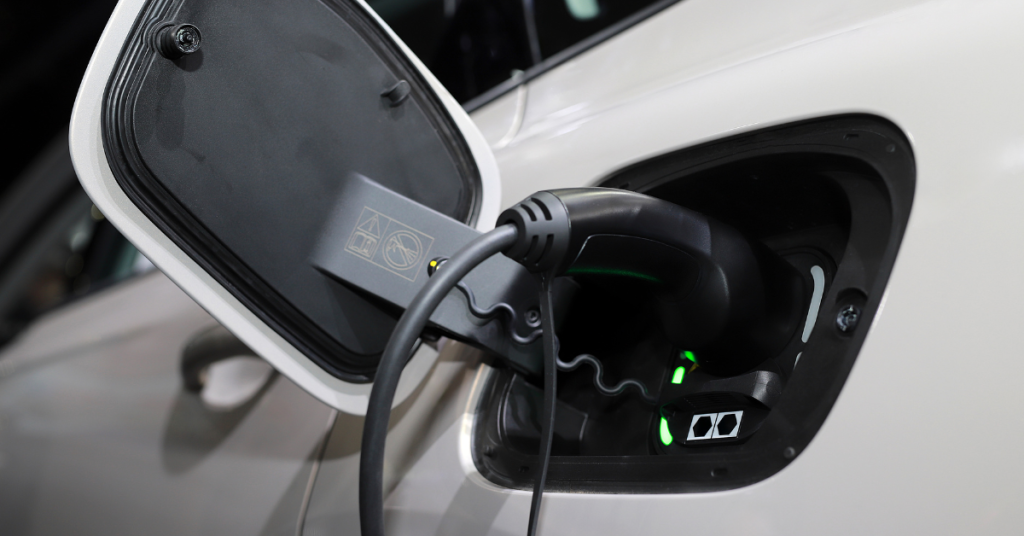
How Home Charging Actually Works
Every electric vehicle comes with a basic charging cable that plugs into a standard wall socket. This is called Level 1 charging, and it works, but it is slow. Charging a depleted battery overnight using a standard socket might only get the car to 40 or 50 percent by morning, depending on the vehicle and the battery size.
The better solution for home use is a dedicated wall-mounted charger, sometimes called a home charging unit or EVSE (Electric Vehicle Supply Equipment). These units draw more power from the home’s electrical system and charge the vehicle significantly faster. A car that takes 20 hours to charge from a wall socket might be fully charged in 6 to 8 hours using a dedicated home unit.
EV Chargers designed for home use are compact, weatherproof, and can be mounted in a garage or carport. Most include a fixed cable or a socket for a detachable cable, and many have smart features that allow charging to be scheduled through an app.
Level 1, Level 2, and DC Fast Charging
Understanding the charging levels makes it easier to choose what is right for a specific situation.
Level 1 uses a standard 230V household outlet. No additional equipment is needed beyond the cable that comes with the car. It is adequate for drivers who cover short distances and have many hours available between trips.
Level 2 uses a 7kW or higher dedicated charger. This is the standard choice for home installation and for most workplace and public charging points. Charge times are dramatically faster than Level 1, and the investment in equipment and installation is manageable for most homeowners.
DC fast charging is what you find at highway charging stations and some commercial installations. These units charge at much higher speeds and can bring a battery from low to 80 percent in 20 to 40 minutes depending on the vehicle. They are not practical for home installation due to the infrastructure and cost involved, but they are useful for long trips.
Choosing the Right Charger for Home Use
When looking at electric car chargers for home installation, there are a few things worth paying attention to before making a purchase.
Power Output
Home chargers are commonly available in 7.4kW and 11kW versions. A 7.4kW unit is sufficient for most electric vehicles and most driving patterns. An 11kW unit charges faster but requires a three-phase power supply, which not all homes have. Check what your home’s electrical supply supports before choosing a higher-output unit.
Cable Type and Length
The charging connector standard varies by vehicle. Most cars sold in South Africa use a Type 2 connector for AC charging. Check the vehicle’s specification before buying a charger with a fixed cable, or opt for a unit with a socket that accepts a detachable cable, which gives more flexibility if the vehicle is changed in future.
Cable length matters too. The charger is usually mounted on a wall, and the cable needs to comfortably reach the vehicle’s charging port regardless of how it is parked. A 5 to 7 metre cable is generally sufficient for most home setups.
Smart Features
Many home chargers now include Wi-Fi or Bluetooth connectivity, which allows charging to be scheduled from a smartphone app. This is useful for taking advantage of off-peak electricity tariffs if available, or simply for monitoring energy usage. Some units also include load balancing, which reduces the draw on the home’s electrical supply during periods when other high-consumption appliances are running.
Installation Requirements
A dedicated home charger needs to be installed by a qualified electrician. The unit needs its own circuit breaker and appropriate wiring. In older homes, the electrical panel may need an upgrade to accommodate the additional load. Getting a quote from an electrician before purchasing the charger is a sensible step, as it gives a clearer picture of the total cost of the installation.
What to Know About Public Charging
South Africa’s public charging network is still growing, but coverage is improving steadily in major cities and along key highway routes. For day-to-day use, most EV owners rarely need to rely on public charging if they charge at home overnight. Public chargers become more relevant for long-distance travel or for drivers who live in an apartment or complex where home charging is not an option.
When planning a longer trip, it is worth mapping out the available charging stops in advance using an EV route planning app. Not all public chargers are compatible with all vehicles, and some require a subscription or a specific payment method. Knowing this before setting off avoids being caught out on the road.
Charging in a Complex or Sectional Title Property
One of the more common questions among prospective EV buyers in South Africa is how to handle charging when living in a sectional title complex. Installing a charger in a shared parking area or a garage that falls under body corporate rules requires approval from the body corporate or homeowners association.
The good news is that South African legislation has moved in the right direction on this. Corporate bodies are generally not permitted to unreasonably refuse a request for EV charging infrastructure. Getting the process right involves submitting a formal request, obtaining quotes from qualified installers, and agreeing on how the electricity costs will be metered and billed separately from the building’s common usage.
The Running Costs of Charging at Home
One of the frequently cited advantages of electric vehicles is the lower running cost compared to petrol or diesel. Charging at home is significantly cheaper per kilometre than filling a tank, particularly if charging is scheduled during off-peak hours.
The exact saving depends on the vehicle’s efficiency, the local electricity tariff, and how the vehicle is used. A reasonable estimate for South African conditions is that charging an electric vehicle at home costs roughly a quarter to a third of what an equivalent petrol vehicle would cost per kilometre. Over a year of typical driving, the savings are substantial.
Why the Right Equipment Matters
Buying an EV is a significant investment, and the charging setup at home is an extension of that investment. Electric vehicle chargers that are properly specified and professionally installed last for many years and make the day-to-day experience of owning an EV much more straightforward.
Cutting corners on the charger or the installation can create problems that cost more to fix than the initial saving was worth. A unit that is not properly rated for outdoor use in South African conditions, or one that is installed without proper earthing, creates both safety risks and reliability issues.
Getting the right unit for the vehicle, the home’s electrical supply, and the daily driving routine is the practical starting point. From there, the experience of charging at home is genuinely simple and far less complicated than it might seem before doing it for the first time.