Seating in a healthcare environment does a lot more work than seating in a home or office. Patients sit in these chairs for hours at a time, sometimes during treatment, sometimes during recovery, and sometimes simply waiting. Staff need to be able to clean the chairs thoroughly between uses. In many cases, the chairs need to support people with limited mobility or physical discomfort. Getting the wrong type of furniture creates real problems that show up quickly in a clinical setting.
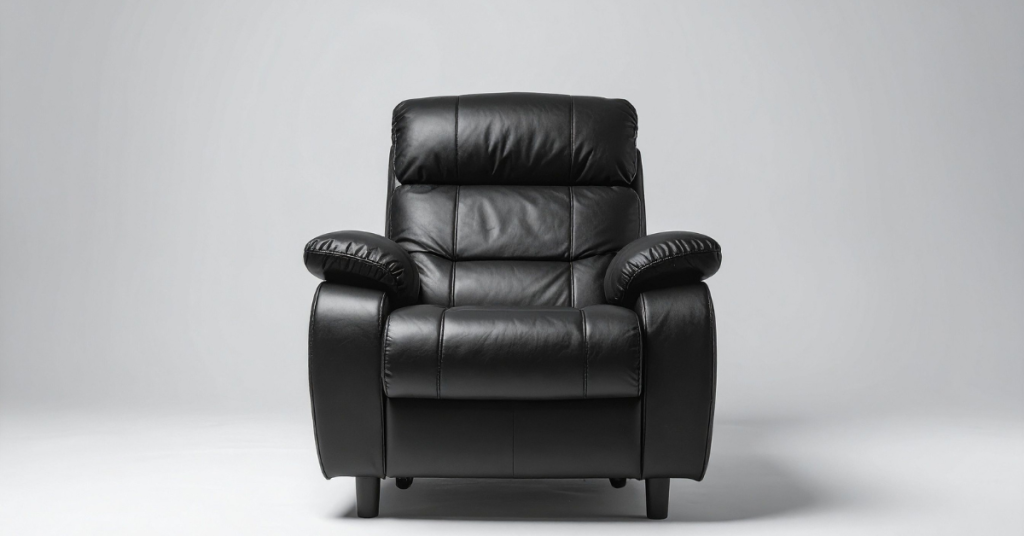
The Difference Between Regular Furniture and Medical Seating
It might seem like any sturdy chair could work in a healthcare setting, but regular furniture falls short in several ways.
Standard upholstery absorbs fluids and is difficult to disinfect properly. Seat heights that work for a healthy adult may not suit older patients or those recovering from surgery. Arms that are too low or too short make it difficult for patients to push themselves up from a seated position. And a chair that cannot be wiped down quickly between patients becomes a hygiene problem in any busy clinical environment.
Medical recliners are built to address all of these issues from the ground up. The materials, the dimensions, the mechanisms, and the overall construction are all chosen with clinical use in mind.
Where This Type of Seating Gets Used
The range of settings that use purpose-built hospital chairs is broader than most people expect. The obvious ones are hospital wards and outpatient areas, but the list goes well beyond that.
Chemotherapy and infusion clinics are one of the most common use cases. Patients receiving IV treatment often sit for three to six hours per session. A chair that cannot recline, does not support the neck and lower back properly, or becomes uncomfortable after an hour is not appropriate for that setting.
Dialysis centres have similar requirements. Treatment sessions run for three to five hours, and patients need to be able to sit comfortably for the full duration. The chair needs to support various positions, be easy to adjust, and be simple for staff to clean between sessions.
Aged care facilities, rehabilitation centres, palliative care units, and day surgery recovery areas all use this type of seating regularly. Even waiting areas in hospitals benefit from having hospital armchairs rather than standard waiting room chairs, particularly in departments where patients may be unwell or physically vulnerable.
What Makes a Good Medical Recliner
Upholstery That Cleans Properly
The upholstery used in a clinical setting needs to withstand repeated cleaning with hospital-grade disinfectants without breaking down. Standard fabric is not suitable. The material needs to be fluid-resistant, seamless where possible, and able to hold up through hundreds of cleaning cycles without cracking or peeling.
Medical recliner chairs typically use vinyl or a medical-grade polyurethane surface that meets these requirements. The stitching and seams are also important. Open seams or poorly sealed joins can harbour bacteria and make proper disinfection impossible regardless of how frequently the chair is cleaned.
Seat Height and Dimensions
Getting patients in and out of a chair safely is a practical concern in any clinical setting. A seat that is too low makes standing up difficult for patients with reduced strength or mobility. A seat that is too narrow is uncomfortable for larger patients and can create pressure issues during extended sitting.
Chairs for hospital use are typically designed with a seat height that allows most patients to place their feet flat on the floor while seated. Many models are available in different sizes to accommodate a wider range of body types. Some include a powered lift function that tilts the seat forward to assist patients in standing.
Armrests
The armrests on a medical chair serve a functional purpose beyond just resting the arms. Patients use them to push themselves upright when standing. They need to be at the right height, long enough to support the forearm properly, and strong enough to bear weight without flexing or shifting.
In treatment settings where intravenous lines are being used, the armrest design also needs to accommodate the positioning of the arm during treatment. Some hospital recliner chairs include adjustable or foldable armrests that make IV access easier while keeping the patient comfortable.
Reclining Mechanism
The ability to recline is not just about comfort, though comfort matters significantly in a treatment setting. Recline also serves a clinical purpose in some situations. Post-procedure recovery is often more comfortable with the legs elevated. Some patients with circulatory conditions benefit from sitting with their feet raised.
Hospital recliners are available in manual and powered versions. Powered recliners allow staff to adjust the position without requiring physical effort from the patient, which is useful for patients who are weak, sedated, or recovering from procedures. Manual versions are simpler and have fewer components that can develop faults, which can make them more practical for high-volume settings.
The recline mechanism should operate smoothly under load and be intuitive enough for both patients and staff to use without difficulty.
Weight Capacity
Standard residential furniture is typically rated for a maximum weight of around 120 to 130 kilograms. In a clinical setting, the patient population is varied, and the furniture needs to accommodate a broader range of body sizes reliably.
Most medical recliner chairs are rated for higher weight capacities, with many standard models handling up to 150 to 180 kilograms. Heavy-duty versions are available for settings where higher capacity is needed. Always check the rated capacity of any chair before purchasing for a clinical environment.
Mobility and Castors
In many clinical settings, chairs need to be moved regularly. A heavy recliner without castors is difficult to reposition, and dragging it across a floor risks damaging the floor and the chair. Most purpose-built chairs for hospital environments include lockable castors that allow the chair to be moved easily when needed and locked in place during use.
The castor quality matters. Cheap castors wear out quickly, become difficult to roll on clinical flooring, or fail to lock reliably. It is worth checking the castor specification when comparing options.
Buying for a Canadian Healthcare Setting
Canadian healthcare facilities operate under specific infection control and safety standards. Any seating purchased for clinical use should meet the relevant Canadian healthcare guidelines for materials and hygiene. When sourcing furniture for a healthcare setting, ask suppliers directly about compliance with infection control requirements and request material safety data sheets for the upholstery.
Lead times for clinical furniture can be longer than for standard commercial furniture, particularly for custom configurations or larger orders. Planning purchases well in advance of a facility opening or refurbishment is a practical step that avoids delays.
It is worth getting quotes for multiple units at once. Pricing per unit typically improves with volume, and having a consistent product across a ward or treatment area makes maintenance and replacement simpler over time.
Maintaining Medical Seating Properly
Even the best quality clinical seating requires proper maintenance to last. Follow the manufacturer’s cleaning recommendations carefully. Using cleaning products that are not approved for the specific upholstery material can cause surface degradation over time, which shortens the lifespan of the chair and can compromise hygiene.
Inspect the chairs regularly for damage. Cracks in the upholstery, even small ones, allow fluids and bacteria to penetrate the surface and make proper disinfection impossible. A chair with damaged upholstery should be taken out of service until it is repaired or replaced.
Check the reclining mechanisms and castors at regular intervals. A mechanism that becomes stiff or noisy, or castors that no longer lock properly, should be addressed before they cause problems in a clinical setting.
Keeping a maintenance log for each chair is a good practice in any setting where the furniture is heavily used. It makes it easier to track the age and condition of each piece and to plan replacements before chairs reach the end of their serviceable life.
Getting the Right Fit for the Setting
There is no single configuration that works equally well across all clinical settings. A chair for an infusion clinic has different requirements from one used in an aged care common room or a post-operative recovery bay.
Talking through the specific requirements with a supplier before placing an order is time well spent. The sitting duration, the patient population, the cleaning protocols in use, and the physical constraints of the space all affect which product is the right fit. Getting those details right at the purchasing stage saves significant time and cost compared to finding out the hard way that a product is not suited to the setting it was bought for.