Botswana does not get the same amount of attention as Kenya or Tanzania when people talk about African safaris, but the travellers who have been there will tell a different story. The country runs on a low-volume, high-value tourism model, which means fewer vehicles on the roads, smaller groups, and a much more personal wildlife experience. For anyone serious about seeing a big game in a setting that feels wild and untouched, Botswana belongs at the top of the list.
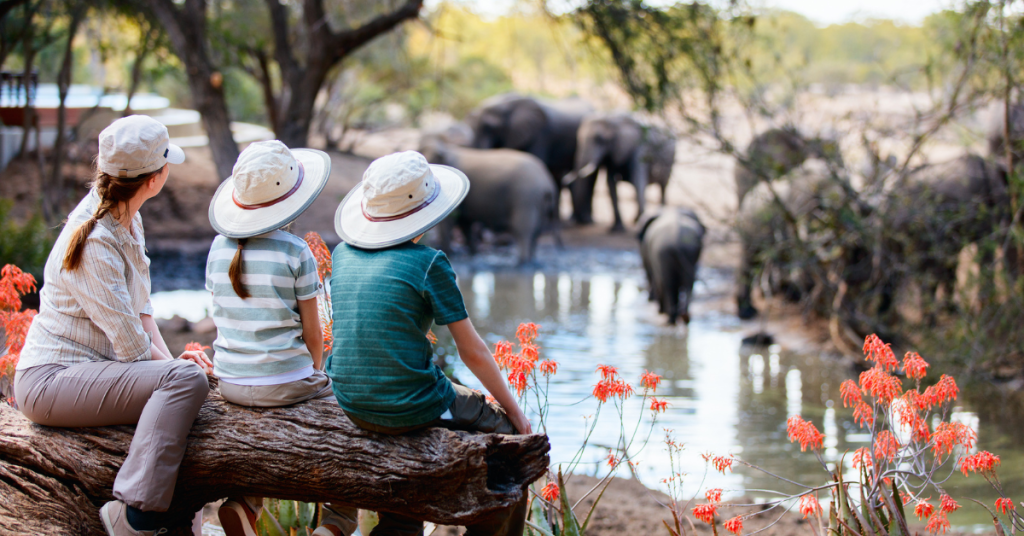
What Makes a Botswana Safari Different
A Botswana safari stands apart from the typical East African experience in a few important ways. The country has kept its tourism numbers deliberately low. There are strict limits on how many visitors can enter certain reserves at any time. This is the opposite of what happens in places like the Masai Mara during peak migration season, where dozens of vehicles crowd around a single lion sighting.
The result is that game drives in Botswana feel genuinely private. It is common to spend an entire morning drive without seeing another vehicle. The wildlife behaves differently too. Animals that are not constantly surrounded by Land Cruisers tend to be more relaxed and go about their natural behaviour, which makes for better viewing and better photographs.
Botswana’s ecosystems are varied. The Okavango Delta is a massive inland water system that floods seasonally, turning dry bushveld into a network of channels, islands, and lagoons. The Chobe area in the north has one of the densest elephant populations on the planet. The Makgadikgadi Pans offer surreal, flat salt landscapes. And the Tuli Block in the east, along the Limpopo River, is known for its dramatic rock formations, ancient baobab trees, and big cat sightings. Each area offers something completely different.
The Best Time to Visit
Botswana’s dry season runs from May through October, and this is when most safari-goers choose to visit. Water sources shrink during these months, which forces animals to gather at rivers, waterholes, and remaining pools. That concentration of wildlife makes sightings easier and more frequent.
The Okavango Delta’s flooding pattern runs slightly counter to the rain. The floodwaters arrive from Angola between June and August, filling the delta channels during the middle of the dry season. This creates a unique situation where the surrounding bush is parched and brown, but the delta itself is lush and full of water. Mokoro (dugout canoe) trips through the delta during this period are spectacular.
The wet season, from November through March, is Botswana’s “green season.” Prices drop, the bush turns thick and green, and migratory birds arrive in huge numbers. Predator-prey action can be intense during this time as young animals are born. It is a harder time to spot game through the thick vegetation, but the photographic opportunities with dramatic storm clouds are stunning.
Where to Stay
Botswana lodges range from ultra-luxury tented camps with private plunge pools to more modest bush camps that focus on the guiding and wildlife experience rather than thread counts. The common thread across most Botswana accommodation is quality. Staff-to-guest ratios tend to be high, the guiding is excellent, and the food is surprisingly good for places that operate in the middle of nowhere.
A Botswana safari lodge in the Okavango Delta typically sits on a private concession, meaning the lodge has exclusive use of a large tract of land. This is what keeps vehicle numbers low and the experience private. Lodges in Chobe, the Tuli Block, and the Makgadikgadi operate similarly, with each property managing its own stretch of wilderness.
Fly-in safaris are the standard way to move between camps. Small bush planes hop from airstrip to airstrip, and the flights themselves offer incredible aerial views of the delta, the river systems, and the herds below. Road transfers are an option in some areas, particularly in the Tuli Block and Chobe.
What to Expect on Game Drives
Game drives in Botswana are run by experienced rangers, most of whom grew up in or near the areas they work in. Their knowledge of animal behaviour, tracks, and bird calls is deep, and a good ranger can turn an empty-looking stretch of bush into a wildlife classroom.
Morning drives typically start before sunrise, around 5:30 or 6:00 AM, when the air is cool and the animals are active. The vehicles stop for a coffee break somewhere in the bush, then continue until mid-morning. Afternoon drives head out around 3:00 or 4:00 PM and run through sunset, often continuing as a spotlight drive after dark to look for nocturnal species like aardvark, porcupine, and African wild cat.
Walking safaris are offered at several locations, especially in private concessions. Walking through the African bush on foot with an armed ranger changes the experience completely. Every sound, every track, every snapped twig carries a different kind of intensity.
Planning and Booking
Botswana safari tours are best booked well in advance, particularly for the dry season months from June through September. Popular lodges fill up six to twelve months ahead, and some of the smaller, more exclusive camps have only a handful of rooms.
Most Botswana tours and safaris are sold as all-inclusive packages. The nightly rate covers accommodation, all meals, drinks (including alcohol at most camps), game drives, park fees, and laundry. This makes budgeting straightforward, as almost everything is included once the booking is confirmed. The main extras are international flights, travel insurance, and gratuities for rangers and camp staff.
A Botswana African safari is not the cheapest option on the continent. The low-volume model means higher per-person costs compared to mass-market destinations. But the trade-off is real: smaller groups, better guiding, exclusive access, and a wilderness experience that feels authentic. Travellers who have done both the high-traffic parks in East Africa and the private concessions in Botswana almost always say the difference is worth the price.
Getting into Botswana is easy from Johannesburg, with daily flights to Maun and Kasane. From there, light aircraft transfers connect to the bush camps. Citizens of most Western countries do not need a visa for stays of up to 90 days.