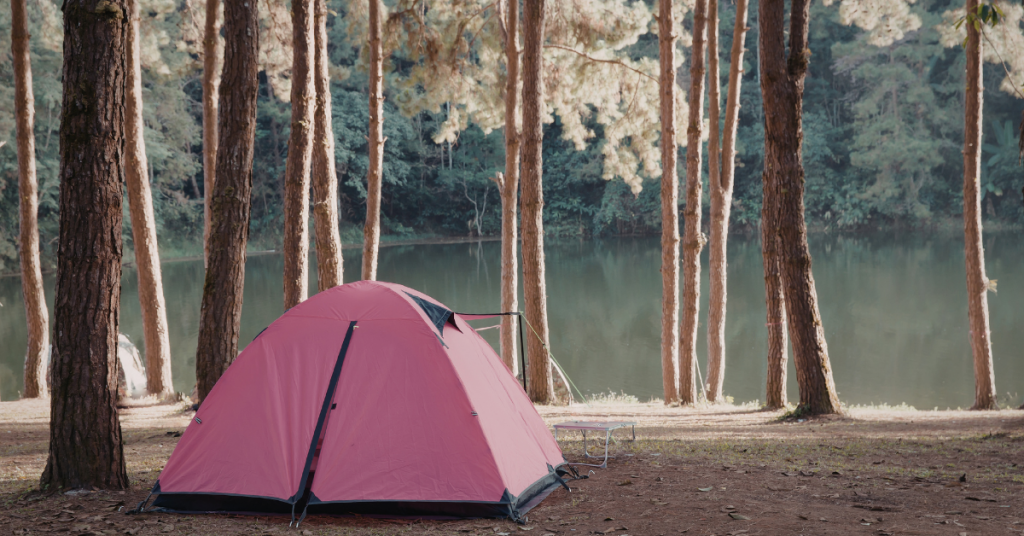
Sleeping on the ground has its downsides. Rocks dig into backs. Rain turns campsites into mud pits. Insects find their way into tents. Animals investigate food smells a bit too closely for comfort. South African campers have dealt with these issues for generations, accepting them as part of the outdoor experience. But there is another way to camp that solves most of these problems while adding convenience that ground tents simply cannot match.
Rooftop Tents South Africa has seen growing interest as more outdoor enthusiasts realise the benefits of sleeping above ground level. These tents mount to vehicle roof racks and fold out to create comfortable sleeping platforms elevated above the dirt, bugs, and wildlife. What started as specialty equipment for serious overlanders has become mainstream camping gear for families, couples, and weekend adventurers.
The appeal is easy to understand. Setting up camp takes minutes instead of the half hour or more needed to pitch a traditional tent. The sleeping surface stays consistent regardless of what the ground looks like. Getting off the ground means better ventilation, fewer insects, and increased safety in areas where wildlife roams.
How Rooftop Tents Work
The basic concept is simple. A tent structure mounts to the roof rack of a vehicle. When closed, it forms a compact package that travels well. When opened, it unfolds or pops up to create a sleeping area with a mattress already in place. Climbing up happens via a ladder that stores with the tent when travelling.
Roof Top Tents for Cars come in two main styles. Soft shell versions fold flat when closed and open by unfolding fabric and poles similar to a traditional tent. Hard shell versions feature rigid tops that lift up on gas struts or hinges, with the tent material dropping down to create walls. Each type has advantages depending on how the tent will be used.
Soft shell rooftop tents pack flatter when closed, leaving more headroom for roof boxes or other gear. They typically cost less and offer more interior space when open. The trade off is longer setup time and more exposure of fabric to the elements when driving.
Hard shell versions set up faster, often in under a minute. The rigid exterior protects the tent fabric from road grime, branches, and weather when closed. The shells also tend to be more aerodynamic, reducing fuel consumption slightly compared to bulkier soft shell options. The price runs higher and interior space may be slightly less than equivalent soft shell tents.
Benefits Over Ground Camping
Elevation changes the camping experience in ways that might not be obvious until experiencing it firsthand.
Comfort improves dramatically when sleeping on a proper mattress that comes with the tent rather than inflatable pads or thin foam on rocky ground. The mattress stays with the tent, already made up and ready. Just climb the ladder, unzip, and the bed is waiting. No inflating, no arranging sleeping bags, no finding the flattest spot on uneven terrain.
Setup speed transforms how camping trips work. Arriving late to a campsite no longer means fumbling with poles and stakes in fading light. A rooftop tent opens in minutes, leaving more time for enjoying the location, cooking dinner, or simply relaxing after a long drive. Breaking camp in the morning goes equally fast.
Versatility expands where camping can happen. A rooftop tent does not need flat, cleared ground. Parking on a beach, in a gravel lot, or on uneven terrain works fine. The tent is always level with the vehicle’s roof, regardless of what lies beneath the tyres. This opens up camping spots that would be impossible with traditional tents.
Wildlife safety matters in many South African camping areas. Sleeping elevated puts distance between campers and curious animals. Hyenas investigating smells, snakes seeking warmth, and other creatures that might wander through a ground level camp pose less concern when the tent sits metres above the ground.
Cleanliness stays easier to maintain. Mud, dust, and debris from the campsite stay on the ground rather than tracking into the sleeping area. The tent interior remains a clean space entered only after climbing the ladder, naturally encouraging people to remove dirty shoes before entering.
Choosing the Right Tent
Several factors determine which rooftop tent suits particular needs. Size, weight, vehicle compatibility, and intended use all play roles in the decision.
Lightweight Roof Top Tents matter for vehicles with lower roof load ratings or owners concerned about fuel consumption. Every kilogram on the roof affects handling and efficiency. Lighter tents reduce these impacts while still providing comfortable camping accommodation. Aluminium frames and modern fabrics have brought weights down significantly compared to earlier designs.
Size should match sleeping needs. Solo travellers and couples need less space than families. Larger tents provide more room but add weight and reduce aerodynamic efficiency. Getting the right size means honest assessment of who will actually be sleeping in the tent and whether extra space justifies the trade offs.
Vehicle compatibility requires checking roof rack weight ratings and mounting options. Most rooftop tents weigh between 40 and 80 kilograms, plus the weight of occupants when in use. Roof racks must handle both the static weight when parked and the dynamic forces when driving. Undersized racks risk damage to both the tent and the vehicle.
What to Look for When Shopping
Rooftop Tents For Sale vary considerably in quality and features. Knowing what matters helps separate good investments from expensive mistakes.
Fabric quality determines weather resistance and durability. Ripstop materials with proper waterproof coatings keep occupants dry during storms. UV resistant treatments prevent degradation from sun exposure. Cheaper fabrics save money initially but may fail when conditions get tough.
Mattress quality affects sleep quality directly. Density and thickness matter for comfort over multiple nights. Removable covers that can be washed maintain freshness over years of use. Condensation resistant materials help in humid conditions.
Frame construction should be strong enough to handle years of opening, closing, and road vibration. Aluminium frames resist corrosion better than steel in wet conditions. Hinge and pivot points see the most stress and should be built accordingly.
Ventilation features keep air flowing during hot nights. Mesh windows and doors let breezes through while keeping insects out. Vents in the roof allow hot air to escape. Poor ventilation leads to stuffiness and condensation problems.
Included accessories affect overall value. Ladders, mounting hardware, mattresses, and covers may or may not come with the tent. Comparing what is included helps evaluate actual costs across different options.
Installation and Mounting
Fitting a rooftop tent requires appropriate roof racks and careful installation. Cross bars must span wide enough to support the tent’s mounting points. Weight ratings need to exceed the tent weight plus occupants with a safety margin.
Professional installation ensures proper mounting and prevents problems down the road. Incorrect mounting can damage vehicles, cause tent failures, or create dangerous situations at speed. The cost of proper installation pays off in safety and peace of mind.
Once mounted, driving characteristics change slightly. The higher centre of gravity and increased wind resistance affect handling. Most drivers adapt quickly, but awareness of these changes matters for safe driving. Taking corners more gently and allowing longer braking distances accounts for the added roof load.
Living With a Rooftop Tent
Regular use reveals the routines that make rooftop camping work smoothly. Keeping bedding clean and dry, maintaining fabric treatments, and checking mounting hardware become regular habits.
Storage when not camping requires either leaving the tent mounted or removing it between trips. Permanent mounting means the tent is always ready but affects daily driving and garage clearance. Removal takes effort but frees up the roof for other uses and protects the tent from unnecessary exposure.
Maintenance extends tent life significantly. Cleaning fabric after dusty trips prevents abrasion damage. Treating waterproofing periodically maintains weather resistance. Lubricating hinges and latches keeps mechanisms working smoothly.
South African camping covers everything from beach weekends to extended overland trips through remote areas. Rooftop tents serve all these uses while changing how camping feels and functions. The combination of convenience, comfort, and versatility explains why more vehicles around the country now carry these distinctive packages on their roofs.