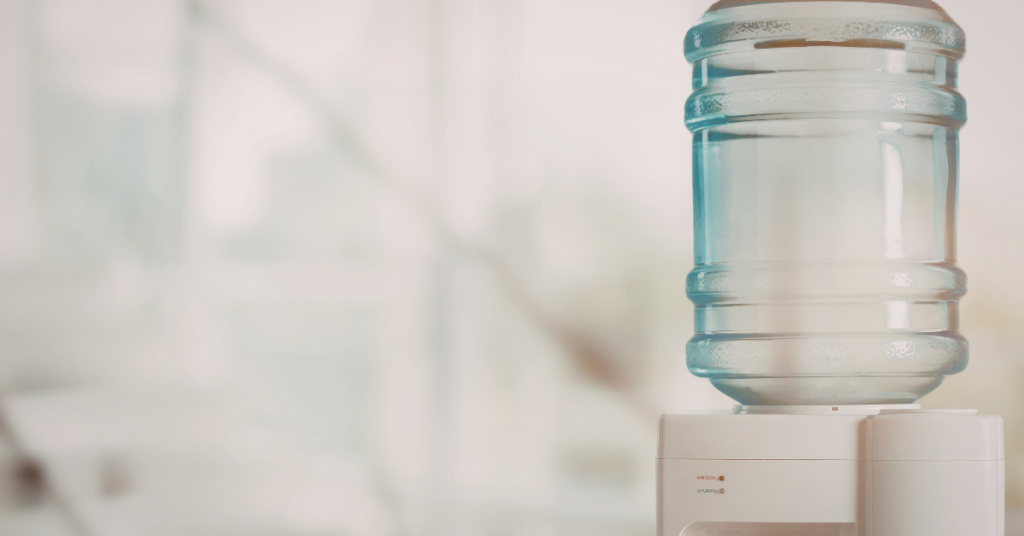
Water dispensers have become common in offices, factories, gyms, and homes across South Africa. These units provide convenient access to clean drinking water without relying on municipal tap water. The large bottles that sit on top of these machines are specifically designed for this purpose, and understanding how they work helps both businesses and consumers make better choices.
Water dispenser bottles are not ordinary containers. They are engineered to work with dispenser mechanisms, withstand repeated use, and keep water fresh and clean. The design, materials, and manufacturing processes all affect performance and safety.
How Water Dispensers Work
A water dispenser uses gravity or pumps to draw water from a large bottle into a reservoir. The bottle sits inverted on top of the unit, with its neck inserted into a receiving port. As water is dispensed, air bubbles rise into the bottle to replace the liquid leaving.
Water bottles for water dispenser units must fit securely in the dispenser’s receiving port. The neck diameter and threading need to match the unit’s specifications. A poor fit leads to leaks, air getting into the system, and contamination risks.
Water cooler bottles often include cooling functions. The dispenser chills the water before dispensing, providing refreshingly cold drinks. These units require proper bottles that can handle the slight pressure changes that occur during cooling and dispensing.
Water cooler water bottles undergo repeated handling. Delivery drivers carry them, stack them on trucks, and place them on dispensers. The bottles must survive this handling without cracking or developing weak spots that could fail during use.
Common Bottle Sizes
Water dispenser bottles come in standardised sizes that work with most dispenser units.
18.9 litre water bottles are the most common size worldwide. This capacity, sometimes called 5 gallons, provides enough water for several days of use in a typical office. The size balances capacity against manageable weight when full.
18.9L water bottles weigh about 19 kilograms when filled. This weight requires careful handling. Many businesses use bottle racks or trolleys to move full bottles safely. The weight limit affects how many bottles can be stored and how they are transported.
10 litre water bottles offer a lighter alternative. At roughly half the weight of larger bottles, these are easier to handle. They suit smaller offices, home use, or situations where storage space is limited. The trade-off is more frequent bottle changes.
Smaller sizes work well for households where water consumption is lower. Larger sizes suit busy offices where multiple people draw water throughout the day. Matching bottle size to actual consumption prevents water sitting too long and going stale.
Materials and Manufacturing
Most water dispenser bottles are made from plastic designed for contact with food and beverages.
A PET bottle manufacturer produces containers from polyethylene terephthalate. This material is clear, lightweight, and approved for food contact. PET bottles are common for single-use beverages but can be designed for multiple uses in dispenser applications.
PET preforms are the starting point for bottle production. These small, test-tube-shaped pieces are heated and blown into full-sized bottles using mould machines. The preform design affects the final bottle’s strength, clarity, and performance.
A plastic bottle manufacturer may work with different materials depending on the application. Polycarbonate was traditionally used for reusable dispenser bottles due to its durability. Concerns about certain chemicals led to increased use of alternative materials like BPA-free plastics.
Manufacturing quality affects bottle life and safety. Consistent wall thickness prevents weak spots. Proper cooling during production prevents stress points that could fail later. Quality control checks catch defective bottles before they reach the market.
The Role of Caps
The cap on a water dispenser bottle does more than seal the container. It creates a valve-like mechanism that controls water flow when the bottle is inverted on the dispenser.
Water dispenser bottle caps must seal tightly enough to prevent leaks during transport but open properly when placed on a dispenser. The design includes features that interact with the dispenser’s probe or valve system.
Water bottle caps for dispenser bottles differ from standard beverage bottle caps. They are typically larger, have specific threading patterns, and include internal valves. Using the wrong cap type can cause leaks or prevent proper operation.
Cap materials must resist repeated use and cleaning. Many dispenser bottle caps are designed for reuse alongside the bottles. They must maintain their sealing properties through multiple fills, deliveries, and returns.
Some caps include tamper-evident features. These seals show whether a bottle has been opened since filling. Customers can verify that their water has not been tampered with before use. This feature builds trust in water delivery services.
Cleaning and Hygiene
Reusable water dispenser bottles require proper cleaning between uses. Water sitting in a container can develop bacterial growth if not handled correctly.
Professional water delivery services clean returned bottles using high-temperature washing and sanitising processes. The bottles are inspected for damage before being refilled. Cracked or contaminated bottles are removed from service.
Home users with refillable bottles should clean them regularly. Hot water and food-safe cleaning products remove residue and kill bacteria. Thorough rinsing removes cleaning product traces before refilling.
The dispensers themselves need periodic cleaning. The receiving port, reservoir, and spouts can harbour bacteria if neglected. Following manufacturer cleaning recommendations keeps the entire system hygienic.
Bottles should be stored properly between uses. Keeping them covered prevents dust and debris from entering. Storing in cool, dark places slows any bacterial growth. Empty bottles left open in warm conditions become breeding grounds for microorganisms.
Choosing the Right Bottles
Several factors matter when selecting water dispenser bottles for business or home use.
Compatibility with existing dispensers is the first consideration. Not all bottles fit all machines. Checking specifications before ordering prevents wasted purchases and equipment damage.
Material preference depends on priorities. PET bottles offer clarity and lightness. Other plastics provide different durability characteristics. All food-grade plastics from reputable manufacturers meet safety standards.
Reusability affects ongoing costs and environmental impact. Bottles designed for multiple uses cost more initially but reduce long-term expenses and waste. Single-use bottles suit situations where return logistics are impractical.
Supplier reliability matters for businesses depending on consistent water delivery. A supplier who provides quality bottles, timely delivery, and proper handling creates fewer problems than one who cuts corners.
Storage capacity determines how many bottles to keep on hand. Running out of water inconveniences staff and visitors. Overstocking ties up space and risks water going stale before use. Finding the right balance requires understanding actual consumption patterns.
Environmental Considerations
Plastic bottle production and disposal create environmental concerns. Responsible use involves both choosing better options and handling waste properly.
Reusable bottles reduce the number of containers entering the waste stream. A single dispenser bottle used dozens of times replaces dozens of single-use containers. This multiplication makes reusable systems significantly better for the environment.
Recycling captures value from bottles at end of life. PET plastic is highly recyclable and forms the basis for many recycled products. Sending bottles to proper recycling facilities rather than landfills keeps materials in productive use.
Reducing unnecessary consumption helps most of all. Dispensers that encourage people to refill personal bottles reduce both the number of dispenser bottles needed and the small plastic bottles that might otherwise be purchased.
Water dispenser bottles serve an important function in providing convenient access to drinking water. Understanding how they work, what sizes are available, and how to choose quality products helps both businesses and households get the most from their water dispensing systems.