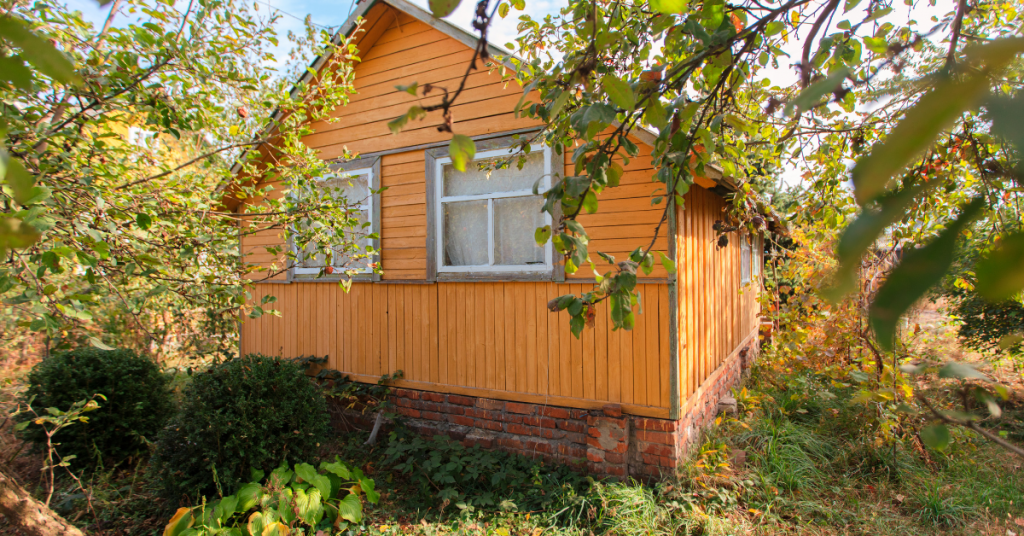
Adding extra space to a property does not always mean expensive building projects. Wendy houses have been solving space problems for South African families for decades. These wooden structures serve many purposes, from playrooms for children to home offices for adults. The affordability and quick installation make them popular choices across the country.
A wendy house is a prefabricated wooden building that can be assembled on site within hours. Unlike brick and mortar construction, these structures do not require foundations, council approvals for smaller sizes, or lengthy building projects. The convenience appeals to homeowners who need extra space without the hassle of traditional construction.
Uses for Wendy Houses
The traditional use of a wendy house was as a playhouse for children. Many South Africans remember spending childhood hours in wooden playhouses in their backyards. This use continues, but the structures have found many other applications.
Home offices have become increasingly popular. Working from home requires dedicated space away from household distractions. A wooden wendy house in the garden provides separation between work and home life. The commute is just a walk across the lawn, but the mental shift from home to office space helps with productivity.
Guest accommodation solves hosting challenges. A furnished wendy house gives visitors privacy and comfort without imposing on the main house. The setup works well for families with frequent guests or elderly parents who want to stay close but maintain independence.
Rental income appeals to some homeowners. A well-finished wendy house can serve as a backyard flat. The additional income stream helps with bond payments while providing affordable housing options in areas where accommodation is scarce.
Hobby spaces and studios benefit from the separate environment. Artists, crafters, and musicians can work without disturbing the household. The dedicated space keeps projects organised and provides somewhere to leave work in progress without cluttering the main home.
Choosing the Right Size and Style
Wendy houses for sale come in various sizes and configurations. Smaller units work for children’s playhouses or compact storage. Larger structures accommodate living spaces, offices, or workshops.
Wooden wendy houses typically feature timber frames with wooden cladding. Roofing options include IBR sheeting in various colours. Windows and doors add light and access. Some models include verandas or additional features.
Checking wendy houses prices helps with budgeting. Size, finish level, and included features all affect cost. A basic small unit costs considerably less than a large, fully fitted structure. Understanding what different price points deliver helps match expectations to budget.
Wendy house for sale options range from simple to elaborate. Basic models suit storage needs. More finished versions include electrical provisions, insulation, and interior linings suitable for living or working spaces.
Security Structures
Properties need security, and guards need shelter. Guard houses provide weatherproof stations for security personnel at entrances and checkpoints.
A guard house positioned at a property entrance gives security staff a base for their duties. Protection from rain, cold, and sun makes their work more comfortable. Better conditions mean more alert guards and better security coverage.
Wooden guard houses blend better with residential properties than industrial metal alternatives. The wooden construction looks more attractive at estate entrances and residential complexes. Appearance matters when first impressions count.
A wooden guard house can include windows on multiple sides for good visibility. Electric lighting extends useful hours. Some models include space for basic amenities like a small desk or chair.
Wooden guard huts come in sizes appropriate for different security needs. Single-person stations suit residential properties. Larger units work for commercial sites with multiple guards on shift.
Storage Solutions
Every home accumulates stuff. Garden tools, sports equipment, seasonal decorations, and old furniture need somewhere to go. Tool sheds keep belongings organised and out of the way.
Wooden tool sheds protect contents from weather and theft. Lockable doors keep tools secure. The wooden construction withstands South African conditions when properly treated and maintained.
Garage space often gets taken up by vehicles, leaving no room for workshop activities or storage. A garden shed provides that extra space. Keeping the car in the garage while tools and projects live in the shed makes sense for many households.
Sizing storage sheds requires thinking about current and future needs. A shed that seems adequate now may feel cramped in a few years. Going slightly larger than immediately necessary proves wise for most buyers.
Children’s Structures
Childhood needs play spaces. Outdoor play develops physical skills and imagination. Dedicated play structures encourage children to spend time outside rather than in front of screens.
Doll houses provide miniature worlds for imaginative play. Children furnish and decorate these small structures, creating scenarios and stories. The play develops creativity and social skills.
A wood doll house offers durability that plastic alternatives lack. The solid construction withstands years of play. Many families pass these structures down between siblings or generations.
Wooden doll houses can be painted and decorated according to personal taste. Children enjoy customising their doll houses with paint, wallpaper scraps, and handmade furniture. The creative process adds to the play value.
A wooden doll house makes a memorable gift. Birthday or holiday presents that provide years of play deliver better value than toys that get forgotten within weeks.
Installation and Placement
Proper placement affects how well a wooden structure serves its purpose.
Level ground makes installation easier and prevents structural problems. Uneven surfaces cause doors and windows to stick. Preparing the site properly before installation saves trouble later.
Drainage should direct water away from the structure. Standing water around wooden buildings leads to rot. Simple grading or installing basic drainage prevents moisture damage.
Distance from boundaries may be regulated. Local rules often specify how close structures can sit to property lines. Checking requirements before ordering prevents expensive repositioning.
Access for delivery needs consideration. Large panels require truck access. Narrow driveways or obstacles between the street and installation site create problems. Discussing access with suppliers identifies issues before delivery day.
Maintenance and Longevity
Wooden structures require care to last. Proper maintenance extends useful life significantly.
Treatment protects against insects and rot. Initial treatment at manufacture helps, but periodic reapplication maintains protection. The frequency depends on climate and exposure.
Paint or stain adds protection and appearance. Refreshing finishes every few years keeps structures looking good and functioning well. Faded, peeling finishes allow moisture penetration that damages underlying wood.
Roof maintenance prevents leaks. Checking fasteners, sealing joints, and clearing debris from gutters if fitted keeps water out. Small leaks caught early cause minimal damage. Ignored leaks lead to major problems.
Inspecting for pest damage catches problems before they spread. Termites and other wood-boring insects can weaken structures if left unchecked. Regular inspection and treatment as needed protects the investment.
Making the Decision
Adding a wooden structure to a property involves several considerations.
Purpose drives the specification. A children’s playhouse has different requirements than a home office or rental unit. Being clear about intended use helps select the right product.
Budget determines what is achievable. Basic structures cost less but may need upgrades for certain uses. Higher specifications cost more but arrive ready for their intended purpose.
Site conditions affect feasibility. Slope, access, drainage, and available space all matter. Understanding site constraints helps select appropriate products and plan installation.
Wooden structures add utility and value to properties. The right choice serves its purpose for years while requiring modest maintenance. Getting the selection right starts with understanding what different options offer and matching them to specific needs.