Clean water is something most people take for granted — until there’s a problem. A strange taste, a funny smell, or limescale building up on taps and showerheads can all be signs that something isn’t quite right. Whether the water comes from a municipal supply or a private source, getting it checked is one of the smartest things a homeowner can do.
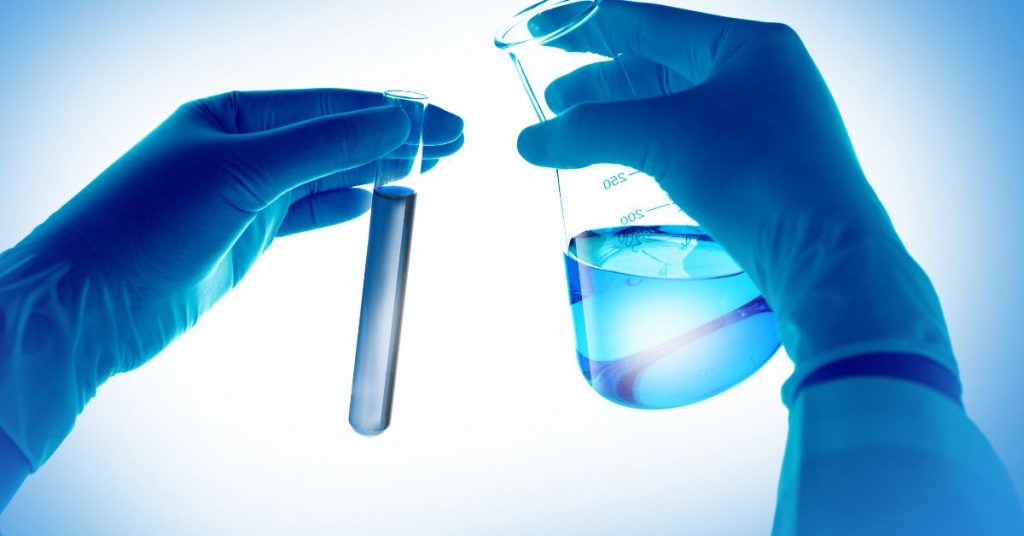
This is where water testing comes in. Having your water professionally tested gives you a clear picture of what’s actually in it — from mineral content and pH levels to bacteria and heavy metals. And once you know what you’re dealing with, you can take the right steps to fix it.
Why Water Testing Matters
Most people assume their tap water is safe. And in many cases, it is. But water quality can change over time. Ageing pipes, seasonal shifts, and changes in the supply source all affect what ends up flowing through the tap. A water quality check gives you hard data instead of guesswork.
For anyone relying on a private borehole, testing is even more important. Groundwater picks up minerals, chemicals, and bacteria as it moves through soil and rock. Without regular checks, there’s no way to know if the water is safe to drink, cook with, or even bathe in.
Water quality testing looks at a range of factors. These include levels of E. coli and coliform bacteria, nitrates, iron, manganese, pH, total dissolved solids (TDS), and more. Each of these tells a different story about the condition of your water and whether it needs treatment.
Understanding Water Potability
The word “potability” simply means whether water is safe to drink. Drinking water potability is measured against national and international standards that set acceptable limits for different contaminants. In South Africa, the standard used is SANS 241, which outlines what counts as safe for human consumption.
Water potability isn’t just about whether the water looks clean. Clear water can still contain harmful levels of bacteria or dissolved metals. That’s why lab testing is the only reliable way to check if your water meets the standard for drinking.
Running a water test for drinking water is straightforward. A sample is taken from the source, sealed in a sterile container, and sent off for analysis. Results usually come back within a few working days and include a breakdown of everything that was found in the sample.
A drinkable water test is a good idea at least once a year for anyone on municipal supply. For borehole users, twice a year is a safer bet — once in the dry season and once in the wet season, since water quality can shift with rainfall patterns.
Borehole Water and Why It Needs Special Attention
Borehole water testing is not optional — it’s a necessity. A borehole pulls water from underground aquifers, and that water can contain anything from harmless minerals to dangerous pathogens. There’s no municipal treatment plant filtering it before it reaches your house, so the responsibility falls on the property owner.
A standard borehole water test will check for microbiological contamination, chemical composition, and physical properties like colour and turbidity. This gives a full picture of what’s in the water and whether any treatment is needed.
Many people ask about borehole water testing price before committing. The cost depends on the type of test — a basic bacteria screen is less expensive than a full chemical and microbiological panel. But even the most thorough test is a fraction of what it would cost to deal with a waterborne illness.
Regular borehole water tests should be part of every borehole owner’s routine. Changes in surrounding land use — new construction, farming activity, or even a neighbour’s septic system — can affect groundwater quality without warning.
Where to Get Your Water Tested
Water laboratories are set up to run detailed analyses on water samples. These labs use calibrated equipment and standardised methods to produce accurate, reliable results. Not all labs are equal, though — it pays to use one that is accredited and follows recognised testing protocols.
Water labs typically accept samples sent by post or dropped off in person. The turnaround time depends on the tests requested, but most results are available within three to seven days.
A dedicated water testing laboratory will test for a wide range of parameters, from basic pH and conductivity to specific metals and organic compounds. For homeowners, a standard drinking water panel is usually sufficient. For businesses or farms, a more detailed analysis may be needed.
Water testing laboratories can handle samples from any source — municipal taps, boreholes, rainwater tanks, rivers, and dams. Each source type has its own set of common concerns, and a good lab will know what to look for.
If you’re not certain where to start, look for labs that test water in your area. Many offer starter packages that cover the basics at a reasonable price.
Water testing labs are found across South Africa, and many of them accept samples from anywhere in the country through courier services. Distance from a lab shouldn’t stop anyone from getting their water checked.
Water Analysis Explained
Water analysis is the process of examining a water sample to determine its chemical, physical, and biological characteristics. The results are presented in a report that lists each parameter tested along with the measured value and the acceptable limit.
Water analysis services range from quick screening tests to full laboratory panels. A quick screen might only look at bacteria and pH, which is fine for a routine check. A full panel looks at dozens of parameters and is better suited for a first-time test or when a specific problem is suspected.
A water analysis lab processes samples under controlled conditions to produce accurate results. This is very different from home test kits, which can give a rough indication but lack the precision of a professional setup.
A certified water analysis laboratory follows strict quality control procedures. Results from these labs carry more credibility and are accepted by municipalities, health departments, and property buyers.
For specialised needs, a water analytical laboratory can run advanced tests such as pesticide screening, heavy metal analysis, or radiological testing. These aren’t needed for every homeowner, but they’re available for situations where a deeper investigation is called for.
Drinking water testing should be treated as a regular maintenance task, much like servicing a geyser or checking a roof for leaks. It’s easy to put off, but the peace of mind that comes with knowing the water is safe is worth the small expense.
What Does Testing Cost?
The water testing cost depends on the scope of the analysis. A basic microbiological test might cost a few hundred rand, and a full chemical and microbial panel can run into the low thousands. Bulk or repeat testing often comes with discounted rates.
The water testing price should be viewed as an investment rather than an expense. Catching a problem early — like elevated nitrate levels or bacteria — is far less costly than dealing with the consequences of contaminated water going unnoticed for months.
Hard Water and How to Deal With It
Hard water is one of the most common issues in South Africa, particularly for borehole users. It’s caused by high levels of calcium and magnesium dissolved in the water. Hard water isn’t dangerous to drink, but it causes limescale buildup in pipes, geysers, kettles, and on taps. Over time, this buildup reduces the efficiency of appliances and increases energy costs.
A water softener is one of the most common solutions. It works by removing or neutralising the minerals that cause hardness, leaving the water easier on appliances and more pleasant to use.
A water softener system can be installed at the point where water enters the house, treating all the water before it reaches any tap or appliance. This whole-house approach is the most effective way to deal with hard water.
For borehole users dealing with both quality and hardness concerns, a borehole water softener is purpose-built to handle the mineral loads typically found in groundwater. These units are designed for higher flow rates and tougher water conditions than what standard residential models handle.
If you’re shopping for a water softener system South Africa options are widely available and come in a range of sizes to suit different household needs and borehole output volumes.
Conditioners vs. Softeners
A water conditioner works differently from a traditional softener. Instead of removing minerals from the water, it changes their structure so they can’t create scale. This means the minerals stay in the water but no longer stick to surfaces.
Soft water conditioners are popular with homeowners who want to protect their plumbing and appliances without the ongoing cost of salt or chemicals that some traditional softeners require.
A water conditioning system is typically low maintenance. Once installed, it runs without needing regular top-ups or filter changes, which makes it a practical long-term solution for hard water.
A full softening water system is worth considering for properties with very high mineral content. These systems combine filtration, conditioning, and sometimes UV treatment to produce water that’s both soft and safe.
Making the Right Choice for Your Property
Every property is different, and the right approach to water treatment depends on what’s actually in the water. That’s why testing always comes first. Get the water analysed, look at the results, and then decide what treatment — if any — is needed.
For homes on municipal supply, a basic annual test and a conditioner for hard water may be all that’s required. For borehole properties, more frequent testing and a combination of filtration and softening is often the better route.
Clean, safe water isn’t something to leave to chance. A simple test can reveal issues that would otherwise go unnoticed, and the right treatment system can fix those issues for years to come. The cost of testing and treating water is small compared to the cost of replacing a scaled-up geyser or dealing with a health scare from contaminated water.