Proposing is one of the biggest moments in a person’s life. And the ring? That’s the part everyone looks at. There’s a lot of pressure to get it right — the right stone, the right setting, the right price. But buying brand new isn’t the only option, and more people are starting to figure that out.
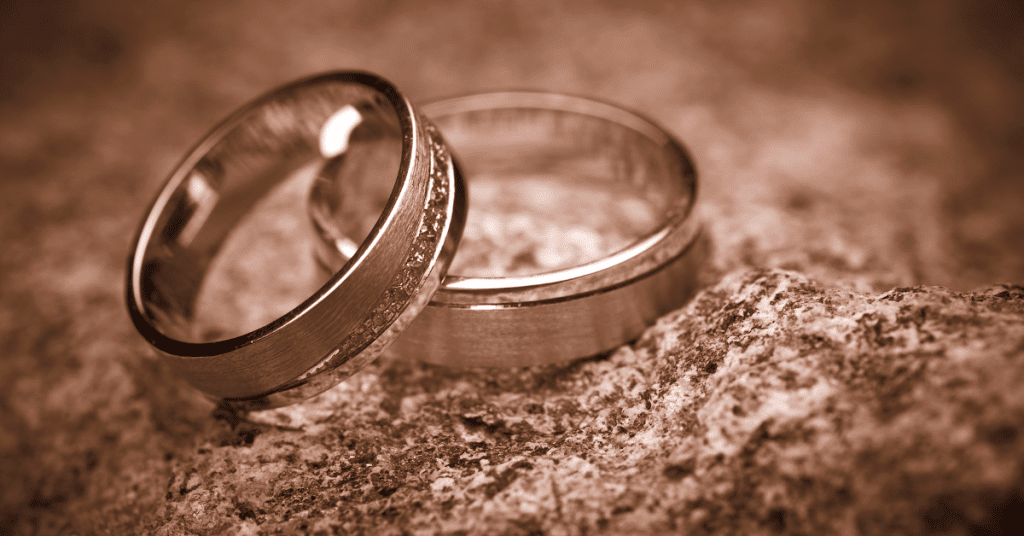
Second-hand engagement rings have been around for as long as jewellery itself. They’ve passed through families, been sold at auctions, and sat in display cases waiting for the next person to fall in love with them. The idea that a ring has to be fresh from a jeweller’s workshop to mean something is outdated. What matters is the ring itself — how it looks, how it feels, and how it fits the person wearing it.
What Are Estate Engagement Rings?
The term Estate Engagement Rings refers to rings that were previously owned. They could be five years old or fifty years old. The word “estate” doesn’t have anything to do with age — it simply means the ring came from someone’s personal collection or was part of a private sale.
These rings come in all shapes, sizes, and styles. Some feature large centre diamonds with detailed side stones. Others are simpler, with a single solitaire on a plain band. What they have in common is that someone chose them once before, and they’ve been looked after well enough to be sold again.
A lot of people don’t realise just how much variety is available in the estate market. Rings from the early 1900s look completely different from those made in the 1970s or 1990s. Each period had its own design trends, and that means there’s a much wider range of styles to pick from compared to what’s on display at most modern jewellers.
Why Pre-Owned Rings Are a Smart Choice
Pre-Owned Engagement Rings offer real value for money. A ring that’s been worn before — even briefly — will almost always sell for less than the same ring bought brand new. That price difference can be significant. In many cases, buyers save anywhere from 30% to 50% off the retail price for a ring of the same quality.
That savings can go towards something else — the wedding, a honeymoon, or just a bit of breathing room in the budget. Getting engaged shouldn’t put someone into financial stress, and buying pre-owned is one of the simplest ways to keep costs down without cutting corners on quality.
There’s another benefit that often gets overlooked: materials. Older rings were frequently made with higher-grade gold and platinum. The metals used decades ago were often denser and more durable than some of what’s available at lower price points now. And the diamonds? Many were hand-selected and hand-cut, which gives them a warmth and character that mass-produced stones sometimes lack.
Condition is rarely an issue either. Reputable sellers will have every ring inspected, cleaned, and polished before it goes up for sale. Prongs get checked, stones get tightened, and any wear gets addressed. A well-restored ring can look as if it just came out of a workshop.
The Draw of Vintage Styles
There’s a reason Vintage Engagement Rings are so popular right now. They offer something that new rings often don’t — a sense of history and a design that stands out from the crowd.
A vintage ring from the Art Deco era, for example, will have sharp geometric lines, bold symmetry, and detailed metalwork. A ring from the Victorian period might feature intricate filigree and softer, more romantic curves. These design choices were tied to the times they were made in, and they carry a look that’s hard to copy with modern mass production.
Many people who choose vintage do so for the uniqueness. Walk into any modern jewellery store and you’ll see rows of rings that look more or less the same. A vintage ring doesn’t have that problem. It was made in a different time, with different tools and different ideas about design. That makes it one of a kind — or close to it.
Vintage rings have a way of catching people’s attention. They start conversations. Someone spots the ring on a hand and asks about it, and there’s always a good story to tell. That kind of reaction is hard to get with something off a shelf.
What to Look for When Shopping
Buying a second-hand engagement ring isn’t difficult, but a bit of knowledge goes a long way. Here are a few things to keep in mind.
Start with the stone. If the ring has a diamond, ask about the four Cs — cut, colour, clarity, and carat. These determine the quality and value of the stone. A certificate from a gemological institute like GIA or AGS is a good sign. If a certificate isn’t available, ask if the stone can be independently appraised.
Next, check the metal. Gold comes in different karats — 9k, 14k, 18k — and each has a different gold content. Platinum is heavier and more durable but costs more. Look for hallmarks stamped on the inside of the band. These tiny marks tell you what the ring is made of and sometimes where it was made.
Then, inspect the setting. Check that the prongs holding the stone are intact and that nothing feels loose. Give the ring a gentle shake near your ear. If you hear anything rattling, the stone may not be secure. A good seller will fix this before handing the ring over, but it’s worth checking for yourself.
Sizing is another thing to think about. Most rings can be resized within a range of one to two sizes up or down. But some designs — like eternity bands with stones all the way around — are harder to adjust. Ask the seller about resizing options before making a decision.
The Practical Side of Buying Pre-Owned
One of the most common worries people have about buying a second-hand engagement ring is what the other person will think. Will they mind that it’s not brand new? Will it feel less special?
The truth is, most people care about the thought behind the proposal, not the receipt. And when a ring looks stunning — which a well-chosen estate or vintage ring will — the fact that someone else wore it before doesn’t change a thing. In fact, some people prefer the idea that their ring has a past. It adds to the meaning rather than taking anything away.
From a practical standpoint, buying pre-owned is straightforward. Rings are typically cleaned and restored before being sold. Many sellers offer returns or exchanges. And if the ring needs any work — a new prong, a resize, or a polish — those repairs are usually simple and affordable.
The second-hand engagement ring market has something for just about every taste and budget. Whether someone is after a bold statement piece or a classic and understated band, the options are wide. And the savings alone make it worth a serious look before going the traditional retail route.