A family in Ohio came home from vacation to find water dripping through their living room ceiling. The roof had been showing warning signs for months. Missing shingles after a storm. Dark streaks that seemed like just dirt. A slight sag they convinced themselves was normal. They ignored all of it until ignoring was no longer an option. The repair bill came to three times what it would have cost to fix the original problems.
This story happens across America every week. Roofs fail slowly, then all at once. The homeowners who catch problems early spend less money and deal with less disruption. Those who wait until water comes through the ceiling face bigger bills and more damage to repair.
Signs Your Roof Needs Attention
Roofs communicate their condition if homeowners know what to look for. Some signs are obvious. Others take a closer look to spot.
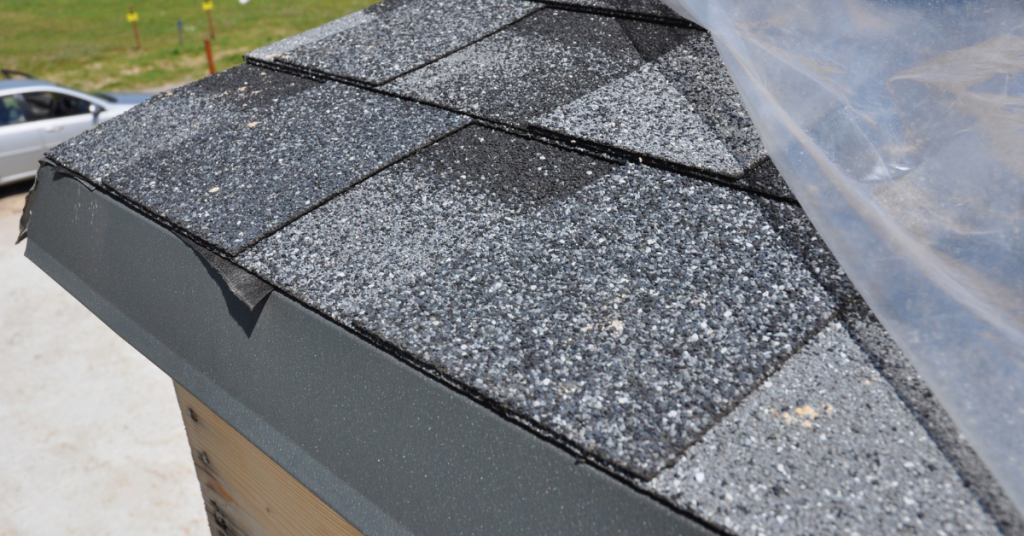
Missing or damaged shingles show up clearly from the ground. After storms, walk around the house and look up. Gaps in the shingle pattern mean protection is compromised. Curled or buckled shingles have lost their ability to shed water properly.
Granules in gutters tell a story too. Asphalt shingles have a layer of granules that protect them from sun damage. When those granules start washing off and collecting in gutters, the shingles are wearing out. A few granules are normal, but heavy accumulation signals trouble.
Interior signs matter just as much. Water stains on ceilings or walls often point to roof leaks. Daylight visible through the attic indicates gaps that water will find. Musty smells in upper floors can mean moisture is getting trapped.
Sagging areas are serious. A roof should have straight, level lines. Any dips or waves suggest structural problems that need immediate professional evaluation.
When to Call a Professional
Some roof issues call for professional help right away. Active leaks during rain need immediate attention to prevent ongoing damage. Large areas of missing shingles after storms leave the home vulnerable. Any structural concerns like sagging or visible damage to the roof deck require expert assessment.
Searching for roofers near me brings up local professionals who can evaluate the situation. Getting a qualified set of eyes on a roof problem prevents small issues from becoming expensive disasters.
Regular inspections make sense even without obvious problems. Most roofing professionals suggest inspections every few years, or after major storms. These checkups catch problems that homeowners miss from the ground.
Homeowners can do basic visual inspections themselves. Walk around the property and look at the roof from different angles. Check the attic for signs of water intrusion. Clear gutters and look for excessive granule loss. But for anything beyond visual observation, professional help is the safer choice.
Understanding Roof Repair vs. Replacement
Not every roof problem means a full replacement. Many issues can be addressed with targeted repairs that extend the roof’s useful life.
When looking for roof repair near me, homeowners often find that localized damage can be fixed without tearing off the entire roof. A few missing shingles can be replaced. Flashing around vents and chimneys can be resealed. Small leaks can be traced and patched.
The decision between repair and replacement depends on several factors. Age of the roof matters most. A ten year old roof with a few damaged shingles is worth repairing. A twenty five year old roof showing widespread wear might be approaching replacement time anyway.
The extent of damage drives decisions too. Damage confined to one area usually means repair makes sense. Damage spread across the entire roof suggests replacement is the better investment.
Cost comparison helps with the decision. If repairs would cost more than about a third of replacement cost, and the roof is older, replacement often makes more financial sense over time.
A qualified roofing company near me can assess the situation and present honest options. Good contractors explain the pros and cons of each approach rather than pushing the most expensive solution.
Choosing the Right Contractor
Finding reliable roofing help takes some effort. The roofing industry includes excellent professionals and some operators who cut corners or disappear after taking deposits.
Start by looking for established businesses. Companies that have operated in the area for years have reputations to protect. They depend on word of mouth and internet reviews for new customers. Fly by night operators who show up after storms and vanish rarely last long.
Licensing and insurance matter enormously. Every state has requirements for contractors. Verify that any company being considered meets those requirements. Insurance protects homeowners if something goes wrong during the project. Ask to see certificates of insurance before work begins.
Written estimates should detail the scope of work, materials to be used, timeline, and total cost. Vague estimates lead to surprise charges later. Good contractors put everything in writing upfront.
Roofing contractors near me can be evaluated through internet reviews, references from past customers, and professional certifications. Taking time to research options leads to better outcomes than hiring the first company that answers the phone.
Multiple estimates provide perspective. Get at least three quotes for any significant roofing work. This reveals the market rate for the job and helps identify outliers who are either overcharging or underbidding in ways that suggest corners will be cut.
What Affects Roofing Costs
Roofing prices vary based on several factors. Understanding these helps homeowners evaluate quotes and budget appropriately.
Roof size is the obvious starting point. Roofers measure in squares, where one square equals 100 square feet. Larger roofs cost more to repair or replace simply because they require more materials and labor.
Roof pitch affects pricing significantly. Steep roofs are harder and more dangerous to work on. They require additional safety equipment and slow down the work pace. A steep roof might cost 20 to 30 percent more than a low slope roof of the same size.
Materials range widely in price. Basic three tab asphalt shingles cost the least. Architectural shingles cost more but last longer and look better. Metal, tile, slate, and other premium materials cost substantially more but offer different benefits in durability and appearance.
Accessibility matters too. A roof that is easy to reach with a truck parked nearby costs less than one requiring materials to be carried long distances or lifted over obstacles.
Existing damage drives costs up. If the roof deck underneath the shingles has rotted or been damaged by water, that needs repair before new roofing goes on. This adds materials and labor to the project.
Working With Roofing Professionals
Good communication makes roofing projects go smoothly. Homeowners should understand the process and know what to expect at each stage.
Before work begins, the contractor should explain the project timeline. Weather delays are common in roofing, so built in flexibility helps. But a general schedule sets expectations for both parties.
Preparation matters on the homeowner side too. Move vehicles away from the house. Relocate lawn furniture and decorations. Warn neighbors about the upcoming noise and activity. Cover items in the attic if dust and debris might fall through.
During the project, expect noise and disruption. Roofing is loud work. Debris falls around the house. Workers move equipment and materials around the property. This is normal and temporary.
Established roofing companies protect the property during work. They use tarps to catch debris, move carefully around landscaping, and clean up thoroughly when done. Asking about site protection before hiring helps set expectations.
After completion, do a walkthrough with the contractor. Look at the finished work from the ground and, if comfortable, from a ladder at roof level. Check that vents, flashing, and edges look properly finished. Ask questions about anything that seems off.
Maintaining Your Roof
A well maintained roof lasts longer than a neglected one. Simple maintenance tasks extend roof life and catch problems early.
Keep gutters clear. Clogged gutters cause water to back up under shingles. This leads to rot and leaks. Clean gutters at least twice a year, more often if trees overhang the roof.
Trim trees near the roof. Branches rubbing against shingles damage them. Overhanging limbs drop leaves and debris that hold moisture against the roof. Falling branches during storms cause obvious damage.
Remove debris quickly. Leaves, pine needles, and other debris trap moisture. This creates conditions for mold growth and shingle deterioration. Use a soft broom or leaf blower to clear the roof without damaging shingles.
Check flashing regularly. The metal pieces around chimneys, vents, and roof edges are common leak points. Look for gaps, rust, or lifted edges. These can often be fixed before they cause interior damage.
Address moss and algae. In damp climates, moss and algae grow on roofs. They hold moisture against shingles and can lift edges over time. Zinc or copper strips installed near the ridge help prevent growth. Existing growth can be cleaned with appropriate products.
Planning for the Future
Roofs do not last forever. Even with good maintenance, every roof eventually needs replacement. Planning ahead makes this major expense more manageable.
Know your roof’s age and expected lifespan. Standard asphalt shingles last 15 to 25 years depending on quality and conditions. Metal roofs can last 40 to 70 years. Tile and slate can exceed 100 years with proper care.
Save for eventual replacement. Setting aside money each year spreads the financial impact. When replacement time comes, the funds are available.
Consider timing strategically. Replacing a roof before it fails gives control over the process. Emergency replacements after failures cost more and limit options. Late spring through early fall offers the best weather for roofing work in most areas.
The roof over your head protects everything underneath it. Treating it as the critical system it is, with regular attention and prompt repairs, prevents the kind of emergency that Ohio family faced. A little attention now saves a lot of trouble later.